
This is the full, careful retelling of what happened to 22-year-old Lisa (Liese) Dodd in Alton, Illinois — a case that shocked a neighborhood, fractured a family, and exposed painful truths about domestic violence, mental health, and the limits of a system that often fails both victims and those who desperately need help. What follows is a reconstruction built from interviews, surveillance footage, witness statements, and court outcomes. I wrote this as if I was there, because for the people who loved Lisa, it sometimes felt like the world did the same: watching from the edges, unable to stop what was unfolding.
Overview: The Moment That Changed Everything
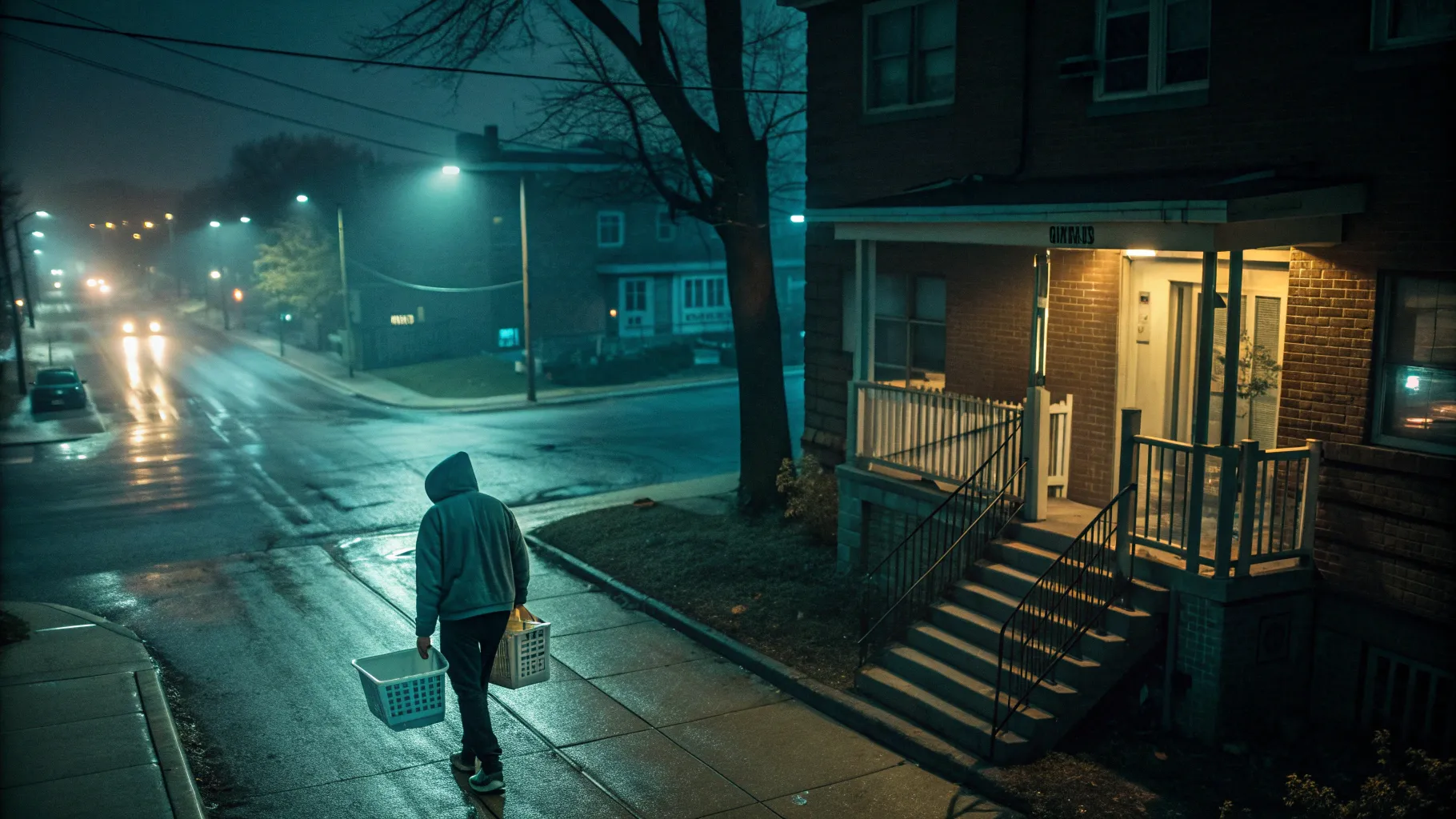
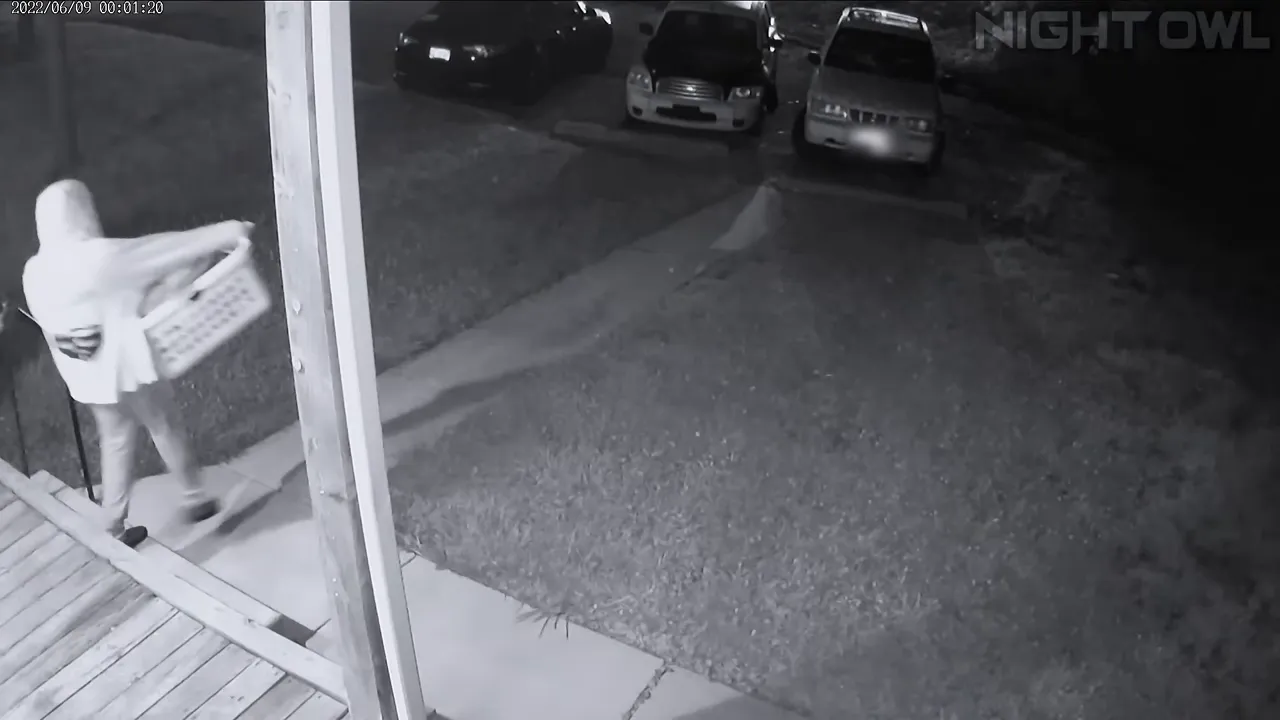
Shortly after midnight on June 9th, a man is seen on CCTV leaving an apartment building carrying a white laundry basket. He walks down a quiet street, disappears behind a smoke shop, and nobody knows what he carries. The next day, construction workers clearing debris find clothing, shoes smeared with blood, and—within a laundry basket thrown into a dumpster—Lisa’s head.
I am going to walk you through the 24 hours that led to this, the people involved, and the aftermath that resulted in a sentence spanning decades. This isn’t a sensationalized retelling—this is a careful account because the stakes were real: a young woman and her unborn child lost, a family devastated, and an entire community left asking how something like this could happen in broad daylight.
Who Was Lisa Dodd?
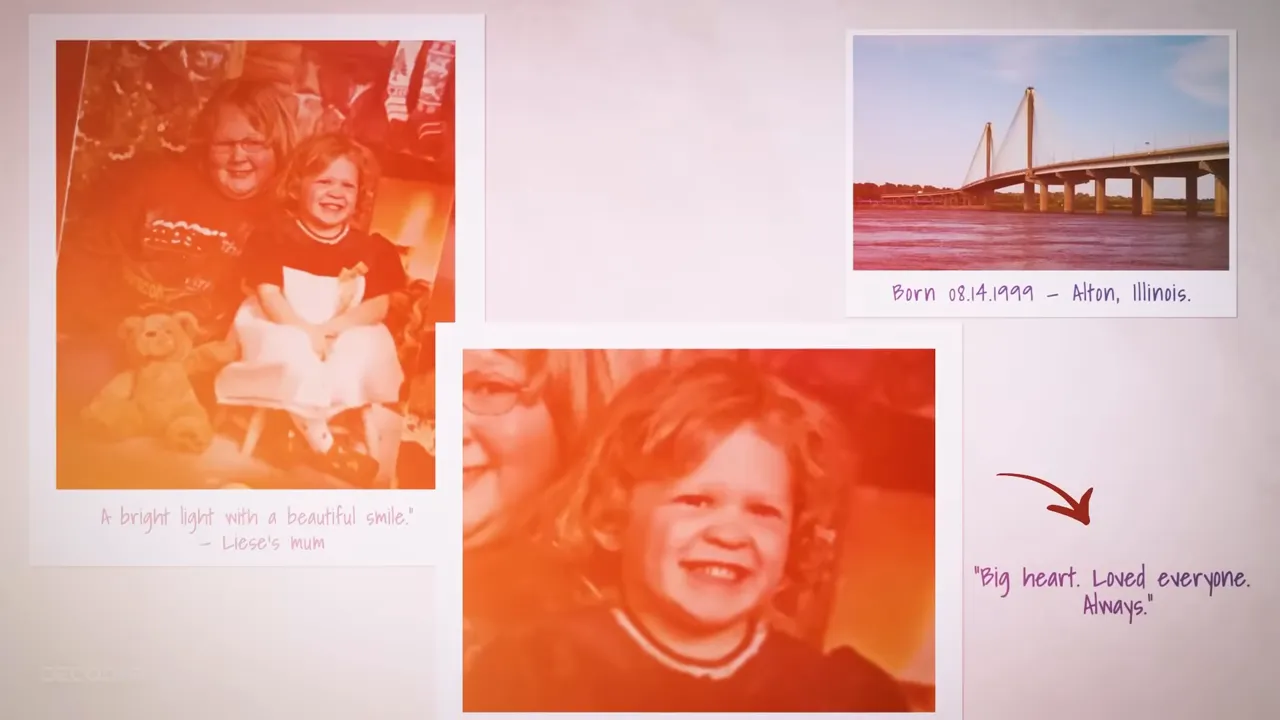
Lisa Dodd was born on August 14, 1999, in Alton, Madison County, a suburb of St. Louis. She was 22 years old and eight months pregnant in June 2022. Friends and family remember her as bright, caring, and full of life. From an early age, Lisa showed a tender regard for animals—on her tenth birthday she asked friends and family to donate to the Riverbend Humane Society rather than buy gifts. She worked at Dairy Queen, where customers described her as warm and energetic, saving with the intention of pursuing a career in the medical field like her mother.
She was preparing for the arrival of a daughter she and her family affectionately called “Baby Bean.” Baby shower invitations had already been sent out. Lisa hadn’t chosen a name yet. Her last months were full of baby prep, hope, and plans for a future she expected to build as a young mother.
Her Relationship With DeAndre Holloway
Lisa’s relationship with DeAndre (D'Andre) Holloway was complicated and abusive. They’d been seeing each other on and off for nearly two years. Both were the same age. Outside observers and those close to Lisa would later describe a pattern of violence and reconciliation that had been present for a long time.
People who worked with Lisa recalled frequent bruising and black eyes. At first she offered excuses—her dog jumped or she’d hurt herself—then gradually admitted that arguments and violence were part of the relationship. Her boss at Dairy Queen once witnessed DeAndre punch Lisa in the face while they were in a car. On another occasion in July 2021 she went to the hospital with a broken nose and multiple facial injuries. In September 2021 she texted her boss saying, “My boyfriend beat me again,” and asked for help getting shifts covered while she stayed with family for safety.
Still, like many victims of intimate partner violence, Lisa returned. She and DeAndre reconciled repeatedly. Love and fear often overlap in ways outsiders find impossible to unravel, and their story tragically reflects that complexity.
Signs of Escalation
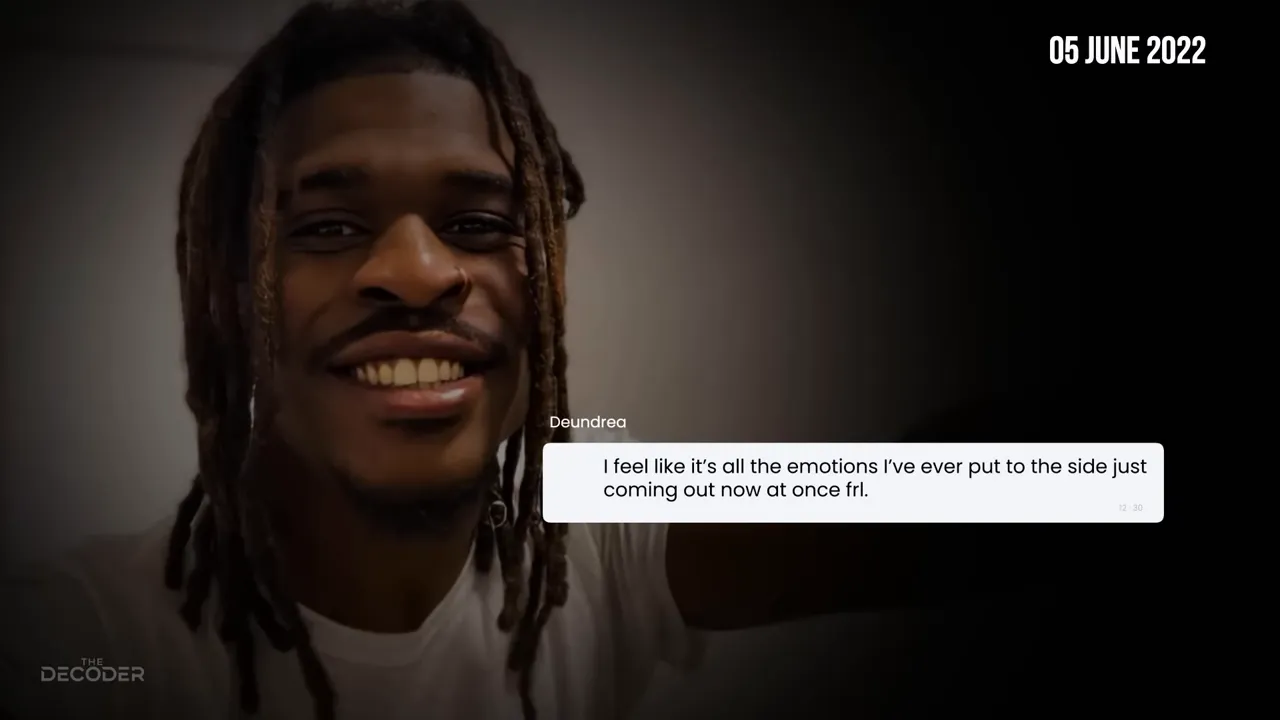
In the days leading up to June 8–9, 2022, the relationship was fraying badly. DeAndre’s half-sister, PJ, reported that he’d been struggling mentally and emotionally, and had been sending messages that suggested he was close to a breaking point. On June 5th he wrote in a message, “I feel like it's all the emotions I've ever put to the side, just coming out now at once... My cup filled up and now it's got to spill over.” That language—of being full and about to overflow—is the kind you hear in crises: someone warning themselves, even if they don’t reach out for direct help.
When DeAndre went missing on June 7th, Lisa panicked. She texted her mother late that night asking whether he could have left. Her mom tried to spin a hopeful narrative, suggesting maybe the break was a relief: “If this is how it's meant to happen, at least it was nonviolent... You’ve been set free.” Lisa didn’t see it that way. She texted about cutting her leg with a razor and telling DeAndre she planned to kill herself—words that underline the depth of her despair and the toxic pressure she was living under.
The Night of June 8th: Surveillance and Sounds of Violence
On the evening of June 8th, CCTV catches Lisa and DeAndre arriving back at their apartment complex at 9:11 p.m. That image would be the last time Lisa would be seen alive on camera. She texted her mother from the car: “I’m trying to figure it out.” It would be her final text message.
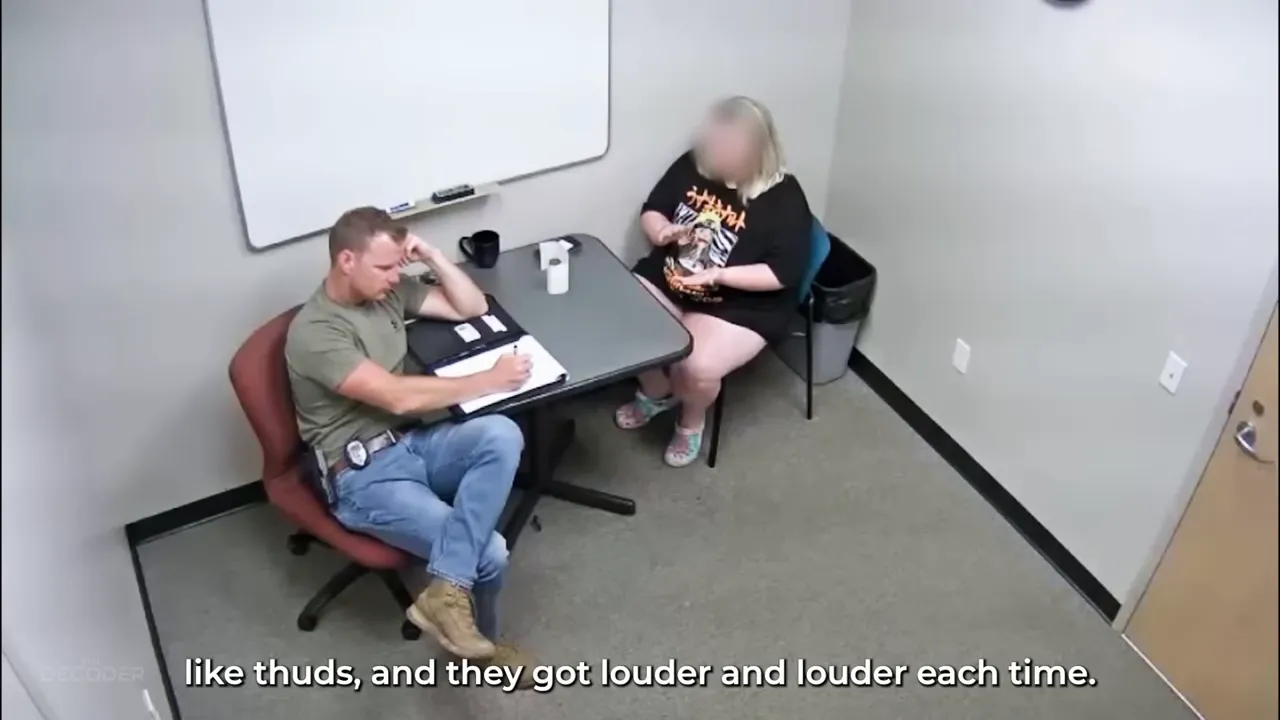
Neighbors later recounted the night in unsettling detail. Around 9:30 p.m. the front door to the couple's unit was cracked—unusual behavior, and a sign neighbors took note of. What followed were muffled cries, sharp thumps, and an eventual crescendo of screaming that neighbors described as unlike anything they’d heard before. One neighbor said it sounded like someone putting a hand over another’s mouth, muffling the scream, and then later hearing a repeated, steady thudding—like someone chopping wood. That neighbor estimated the loud, rhythmic thudding occurred five or six times before everything stopped.
The mental image this produces is chilling. For those in the next-door apartment, it began as an argument and spiraled into something far worse. They described silence afterward, lights flickering on and off upstairs, and movement that made them assume someone was still inside—but no one came down. The tenant texted the landlord: “If we hear it back up again, we'll call the cops.” By the time they considered it, it was already too late.
The Chopping Sound
Neighbors compared the noise to the steady rhythm of chopping wood—an image that, in hindsight, was tragically apt. The same rhythm described by witnesses matched what would later be found by investigators: sudden, repeated impacts consistent with the gruesome act that had occurred inside. For a neighborhood unused to seeing violence escalate to this degree, the sound was a horrifying clue that something irreparable was happening that night.
The Early Hours: CCTV, a Laundry Basket, and Disposal
The timeline constructed from CCTV is crucial to understanding how the crime unfolded. Neither Lisa nor DeAndre are visible after they return from picking up DeAndre at 9:11 p.m., until about 11:57 p.m., when DeAndre leaves the apartment carrying a white laundry basket. He stands at the car, apparently forgetting keys, and then goes back inside. Minutes later, he returns again with the basket, wearing different clothes, darker shoes, and a face covering that would make him less recognizable on camera.
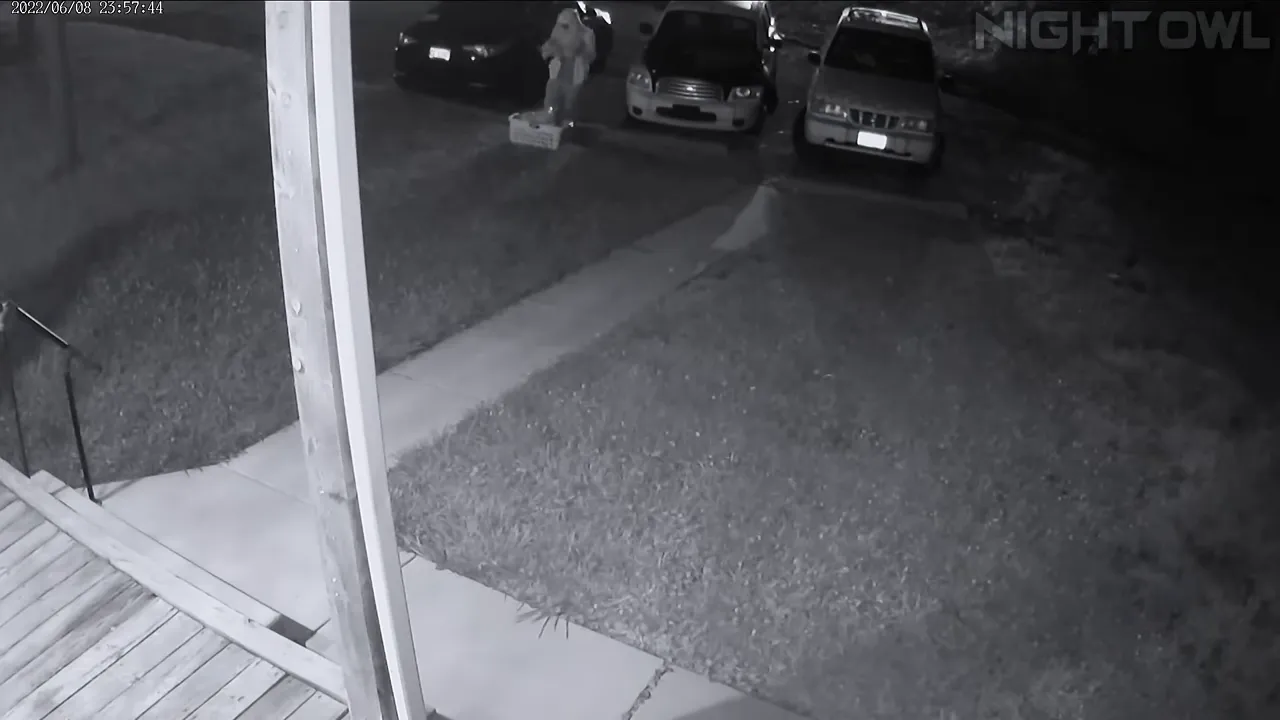
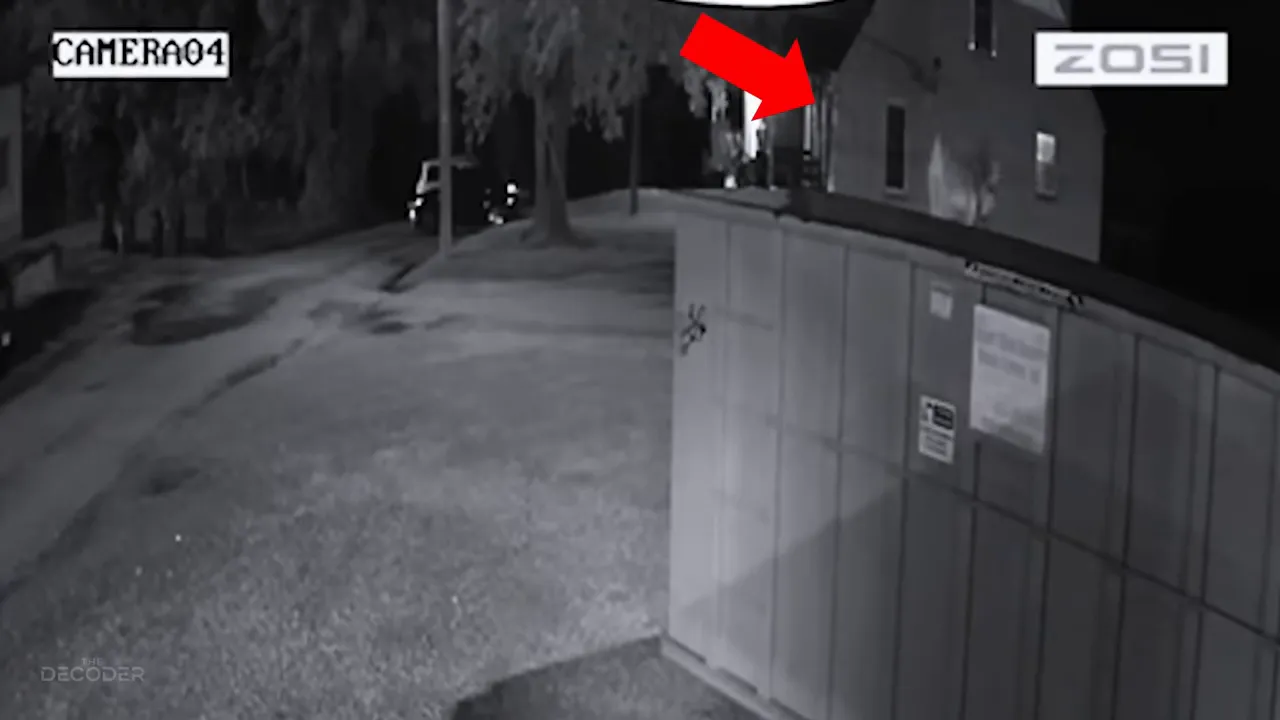
At 12:01 a.m., CCTV from a local business behind a smoke shop shows the laundry basket being thrown into a large red dumpster, along with clothing. At the time, no one at the scene knew what was inside the basket. Two hours later, Lisa’s car is gone from the parking lot. DeAndre has gone to his mother's house.
Discovery and the 911 Call
On the morning of June 9th, a contractor cleaning up construction debris near that dumpster discovered a laundry basket and clothes. He remembered the clothing and shoes appeared to have blood on them. He also found a serrated knife with blood on the blade—evidence that would later become critical in the investigation.
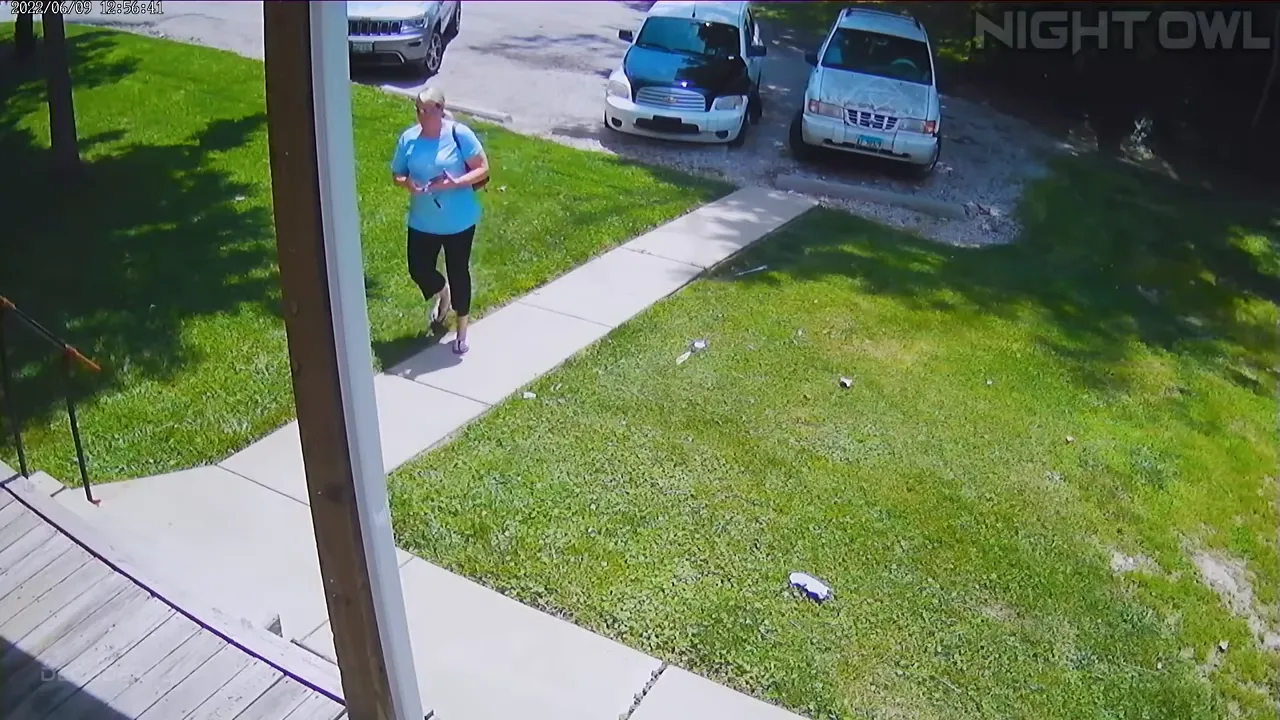
That afternoon at 1:00 p.m., Lisa’s mother, Heidi, arrived at her daughter’s apartment after not hearing from her for more than 15 hours. She let herself in. Two minutes later, neighbors opened the door and Heidi stepped back outside, shaking. Police were called. Her 911 call is harrowing and direct: “My daughter's boyfriend killed her. He chopped her head off.”
The Scene Inside: A Body, a Turban, and the Missing Head
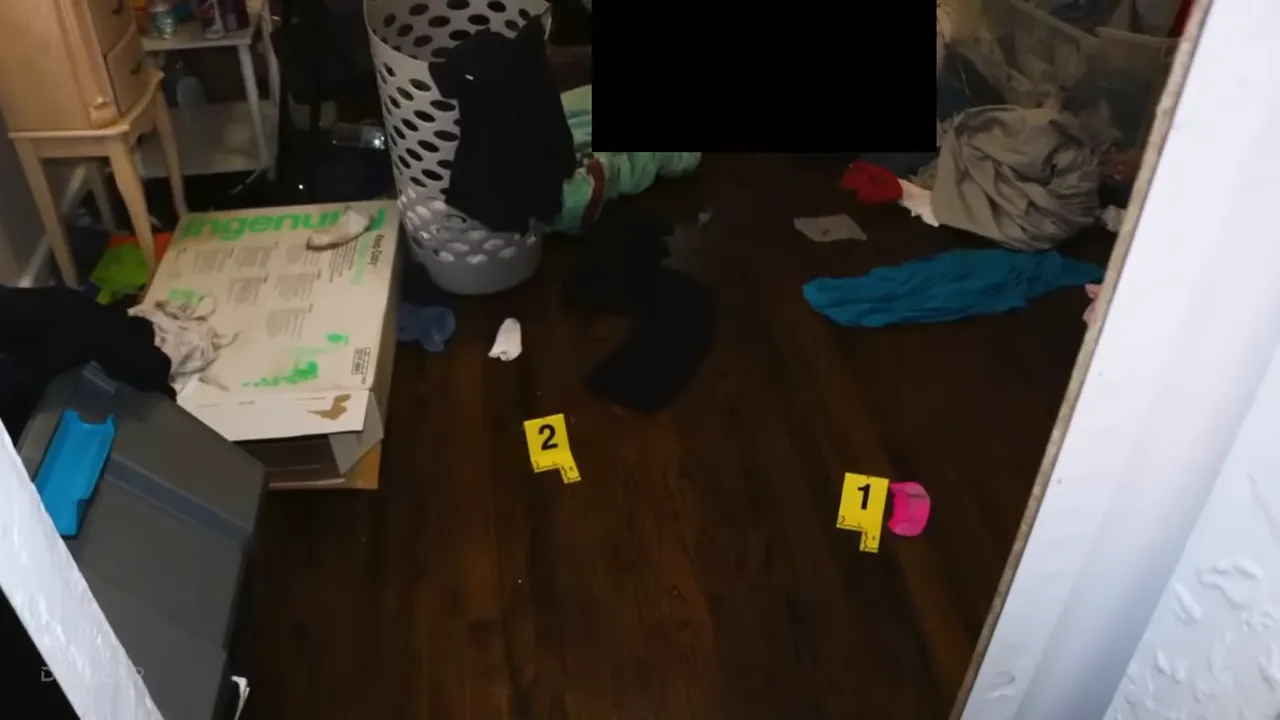
First responders found Lisa’s body in her bedroom. At first glance, it appeared her head was wrapped—like a towel fashioned into a turban—but investigators quickly discovered the truth: her head had been severed and was missing from the residence. No murder weapon was found in the apartment. Her body had been desecrated. The crime was not only a homicide; it was an act of extreme brutality that reverberated throughout the community.
DeAndre’s Movements After the Crime
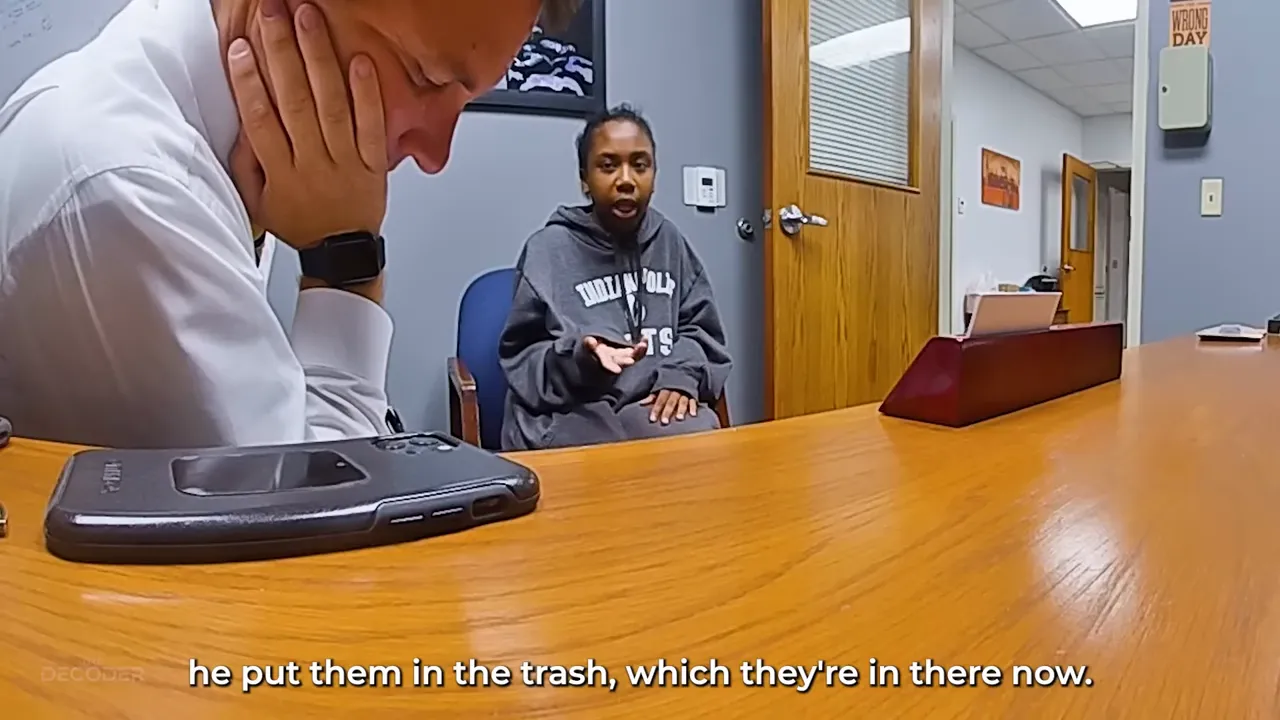
After disposing of the basket, DeAndre traveled to his mother’s home in Gillespie. He arrived in the early morning hours and was observed acting nervous and frenetic—banging on doors, pacing, and later cutting his hair. His family described erratic behavior: changing clothes, attempting to get rid of items, and offering explanations that didn’t add up. He handed over items belonging to Lisa—an ID, a debit card, and two keys—saying he’d “found them on the ground,” statements his family found suspicious.
By midday on June 9th, DeAndre had left the house on foot saying he was “going to cut grass.” That afternoon police executed a search warrant at his mother’s house. Officers found clothes matching the CCTV footage and his cut dreadlocks wrapped in toilet paper in an outdoor trash can—evidence consistent with an attempt to alter his appearance and destroy traceable material.
The Arrest
At approximately 1:45 p.m. on June 9th, law enforcement in Gillespie called Alton investigators: Gillespie police had taken a John Doe into custody. It was DeAndre Holloway. He'd been arrested earlier that day on unrelated charges (possession of cannabis), but his behavior was alarming to officers—the pacing, repeated questioning, and even self-harm gestures would later form part of the public record.
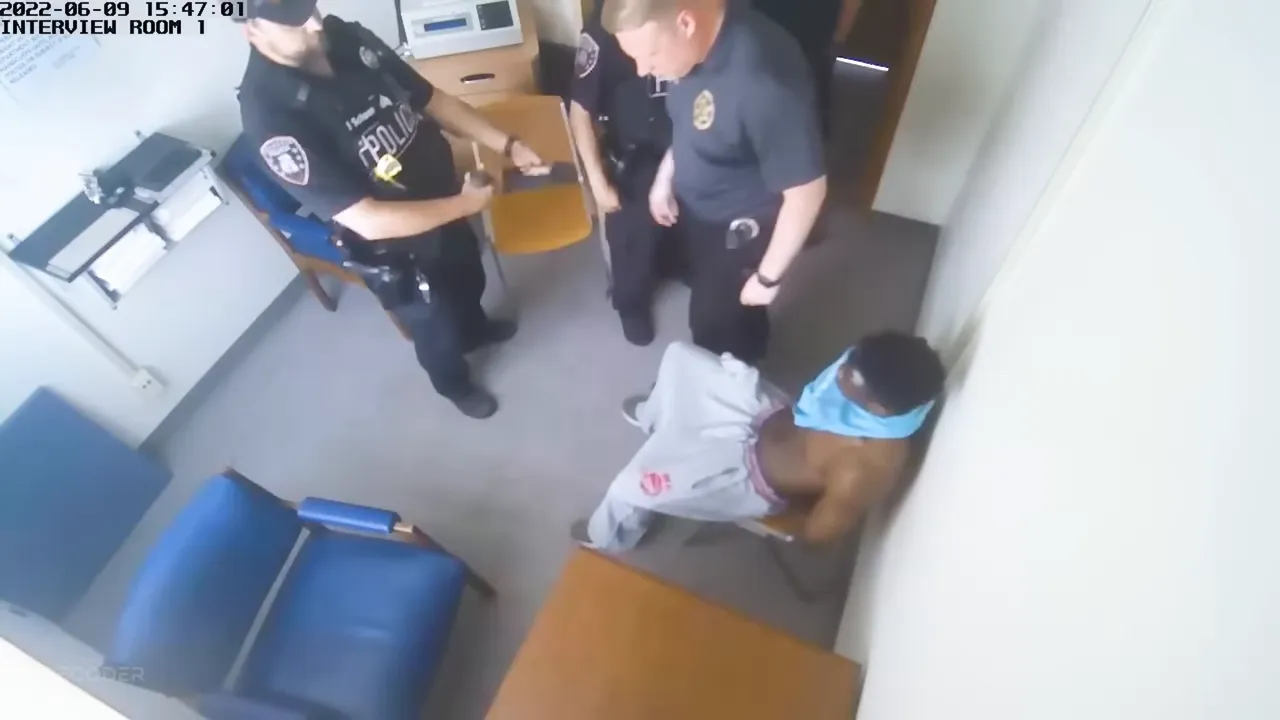
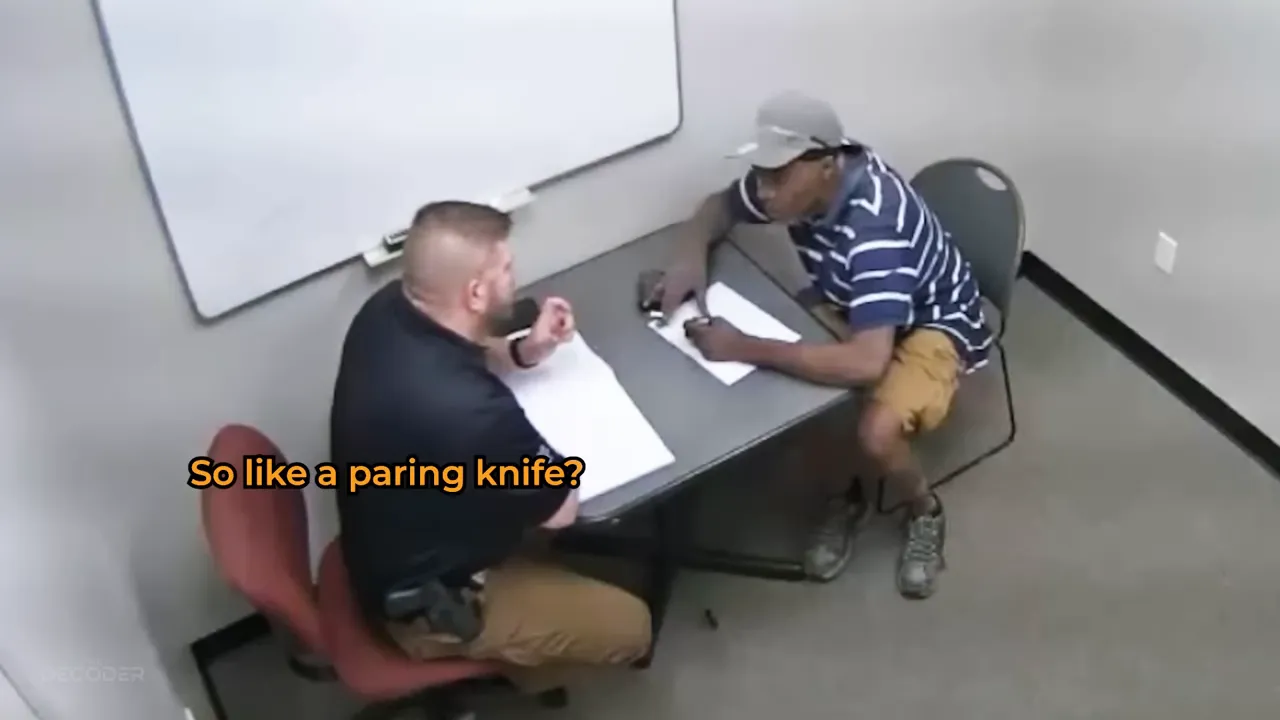
When Alton investigators took custody, DeAndre was volatile. At the station he exhibited manic behavior—pacing, yelling, and banging his head against the wall. Officers physically restrained him for their own safety and his. They executed a warrant for DNA and fingerprints. Over the next day, interviews with investigators began, but DeAndre refused to offer information. He declined to give his name on multiple occasions and later asked for an attorney, invoking his right to counsel.
Charges and Initial Legal Proceedings
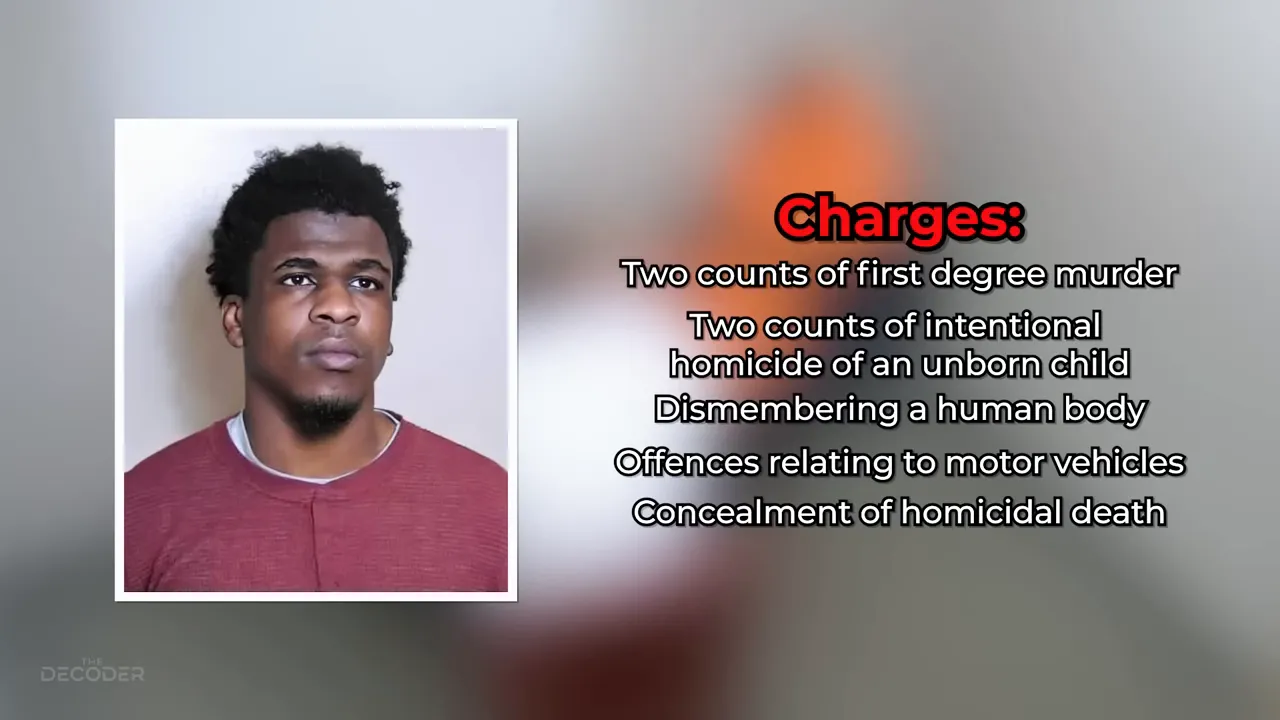
On June 13th, DeAndre was formally charged with multiple counts, including two counts of first-degree murder (for Lisa and the unborn child), two counts of intentional homicide of an unborn child, various motor vehicle offenses, and concealment of homicidal death. The initial bond was set at $2 million.
Early in the process, DeAndre’s mental health became a significant factor. He refused to attend virtual court hearings, threatened officers, and was later found mentally unfit to stand trial. He underwent court-ordered treatment at a state institution until he regained competency to face the charges. This created delays, gave rise to public debate, and further complicated a legal case that already carried tremendous emotion and community pressure.
Public Reaction and Family Statements
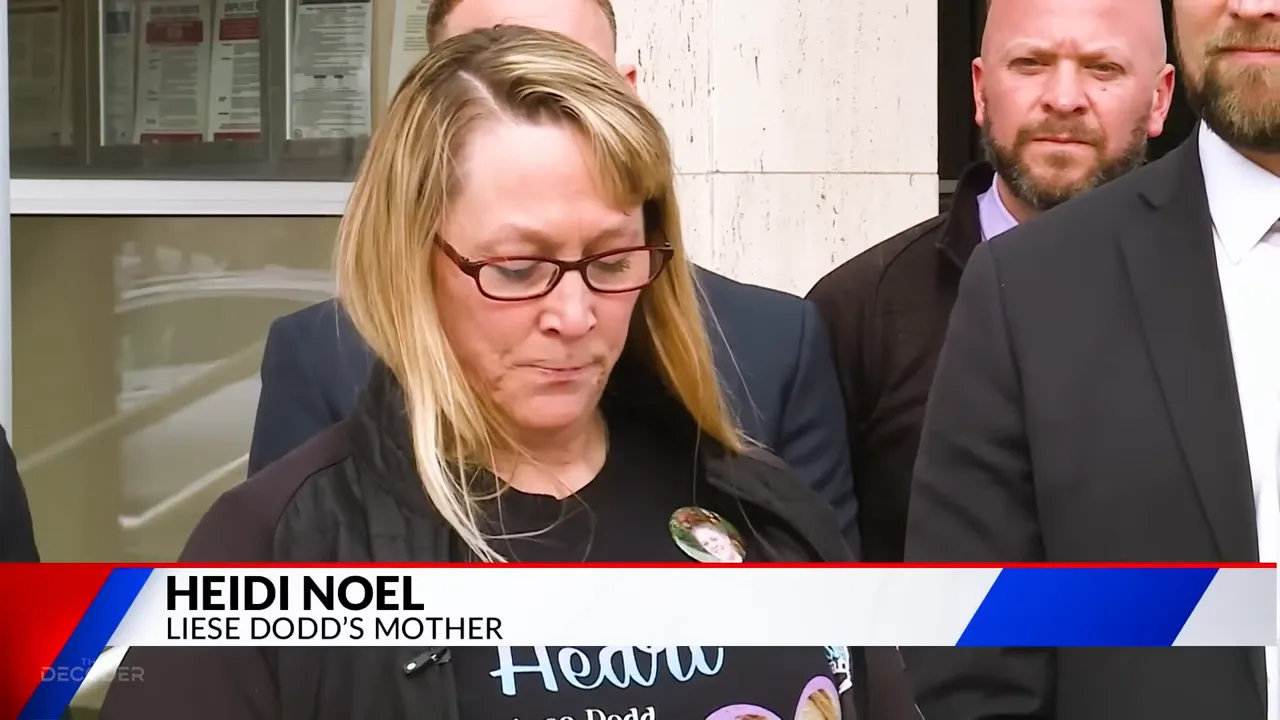
The case drew intense local attention. Police described the crime as “beyond irreverenceable,” calling it completely terrible and heartbreaking. Lisa’s family, and specifically her mother Heidi, made impassioned public statements. At sentencing, Heidi thanked law enforcement and emphasized the tragedy of a two-year on-again-off-again domestic violence relationship ending in the death of both her daughter and her granddaughter. She urged others in abusive relationships to make a safety plan and to seek help.
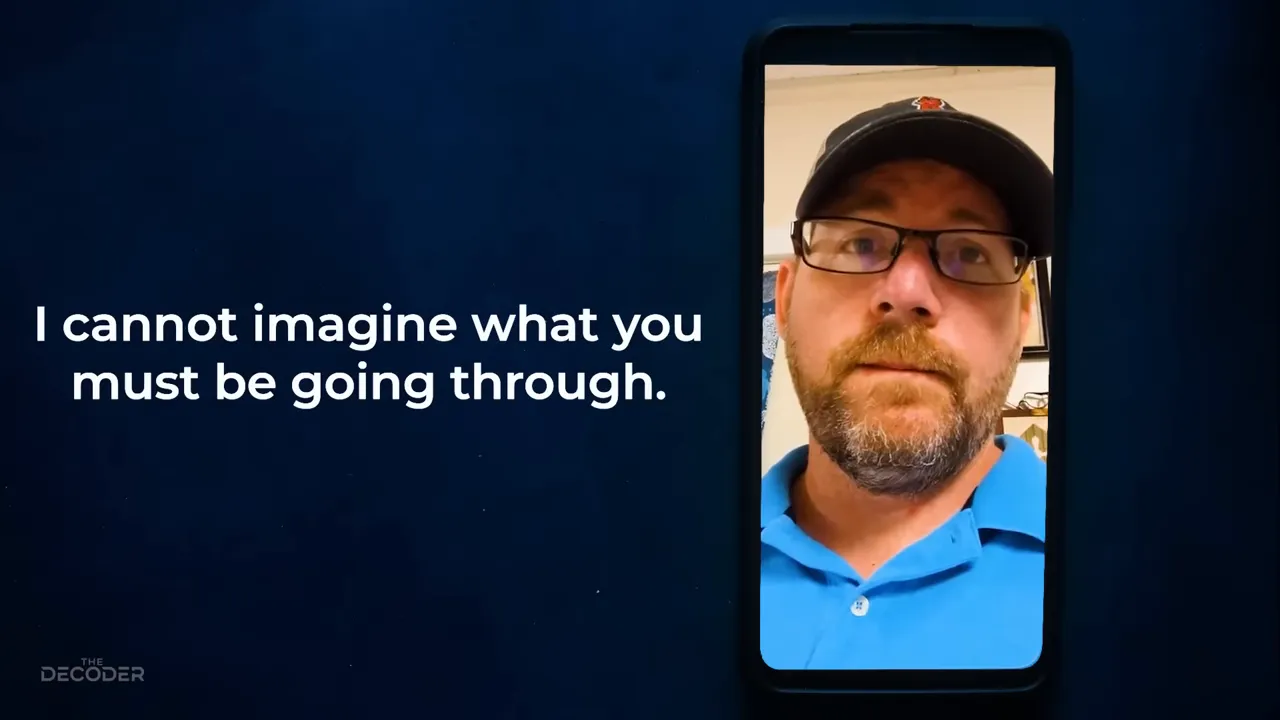
DeAndre’s family also spoke publicly, asking for compassion and context. His stepfather posted a video online that acknowledged the horror of the crime while pointing to a history of mental illness and attempts to get DeAndre help. He framed the case as a sad consequence of a system that, he argued, fails people with significant mental health needs. “Our system fails people with mental problems,” he said, noting that his family had tried to secure help for him but had been unable to hold him under the legal standard that requires someone to have done something before extended treatment can be enforced.
Guilt, Plea, and Sentencing
Legal complexities continued for months. Issues included fitness to stand trial and how the law treats unborn children in homicide sentencing. The Illinois Supreme Court ruled that an unborn child could not be considered a second murder victim for the purpose of seeking a life sentence—an important legal nuance that influenced what prosecutors could seek in terms of punishment.
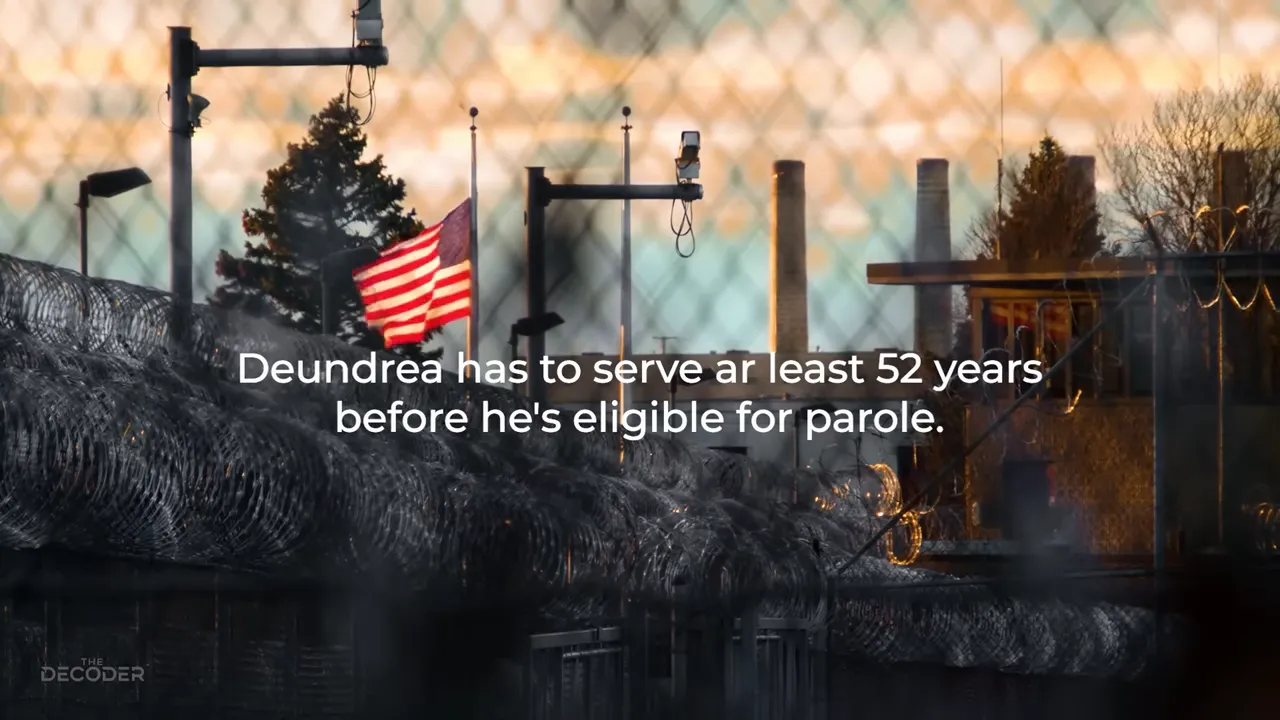
In January 2024 DeAndre entered a guilty plea. On January 17, 2025, he was sentenced to 60 years in prison: 30 years for the murder charge, 20 years for the homicide charge, and 10 years for concealment to be served consecutively. He must serve at least 52 years before being eligible for release.
Why Did This Happen?
That question is arguably the most impossible to answer completely. Speculation has ranged from jealousy and anger over perceived infidelity to a final, extreme reaction in a cycle of violence that had been escalating for years. DeAndre’s own messages suggested he was emotionally overwhelmed, his family pointed to persistent untreated mental illness, and Lisa’s history of abusive episodes with him provides a context of sustained trauma.
But motives—especially those that lead to an act of such depravity—are rarely clean and seldom single-sourced. It is likely a toxic mix of personal instability, substance use, untreated mental health issues, desperation, and a normalization of violence within their relationship created a powder keg that finally detonated. Whatever the proximate cause, the result was irreversible: two lives lost and countless people left to navigate grief and anger.
The Human Cost
People often get lost in courtroom language and legal process and forget the human life behind the headlines. Lisa’s mother described a daughter she will never see raise her child. Friends and family continue to mourn “Baby Bean” as well—an unborn child whose absence is as tangible as any loss. The emotional fallout reverberates through relatives, neighbors who heard the fight and still replay it in horror, and people who helped search or testified in the aftermath.
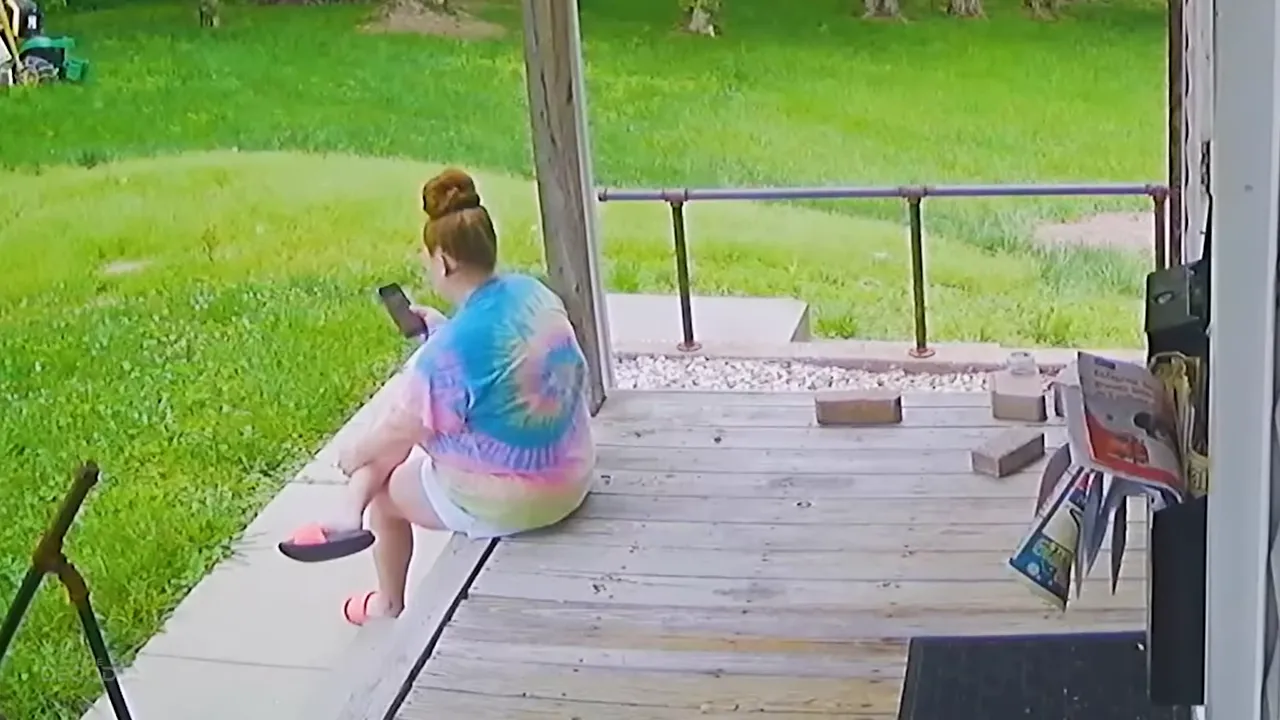
There are images that stick: Lisa seated on her porch the day before, scrolling her phone; a final text to her mother that failed to get a response; a laundry basket thrown into darkness in a commercial dumpster; a mother collapsing on the apartment steps after finding her child. These images are not just details—they are the pieces of a life violently interrupted. They underscore the tragedy of lives cut short and highlight a pattern repeated in too many households.
Lessons on Domestic Violence and Mental Health
This case raises urgent questions about how we prevent intimate partner violence and how mental health crises are managed. There are no simple answers, but there are lessons that can be taken from Lisa’s story.
1. Warning Signs Should Be Taken Seriously
Black eyes, repeated reconciliations after violence, threats, and sudden disappearances are all red flags. Friends, employers, and family can play a role in recognizing these signs and encouraging practical safety planning. When a victim says they feel unsafe, it’s important to believe them and to support them in creating a plan to protect themselves and their children.
2. Safety Planning Works—but Must Be Accessible
Creating a safety plan is a concrete step that can reduce risk. This includes arranging a safe place to go, having important documents and phone numbers accessible, and notifying trusted friends or family about steps being taken. Domestic violence hotlines and shelters can help with immediate needs. However, access to these services is inconsistent—especially for young mothers or those with limited resources.
3. The Mental Health System Has Gaps
DeAndre’s family repeatedly said they sought help and were unable to secure long-term intervention. Our laws and institutions typically require a person to demonstrate imminent danger or harm before involuntary treatment can be imposed. That threshold is high—sometimes tragically high. The result can be a person cycling in and out of crisis without sustained care, increasing risk for themselves and others.
4. Criminal Justice and Mental Health Intersect—but Are Not the Same
Courts must balance accountability with fairness. Determinations of competency, fitness to stand trial, and criminal responsibility are complex. While mental illness can help explain behavior, it does not automatically absolve individuals of responsibility. In DeAndre’s case, he was ultimately found guilty and sentenced, but his psychiatric state complicated proceedings at every turn. This messy intersection challenges policymakers and communities to invest more in early intervention and long-term supports.
Resources and Support
If you or someone you know is experiencing domestic violence, there are practical steps and resources that can make a life-saving difference. Please consider reaching out to local domestic violence services, crisis hotlines, or law enforcement. Below are general categories of support; if you are in immediate danger call local emergency services.
- National Domestic Violence Hotlines — Most countries have national hotlines staffed 24/7. They can assist with safety planning and referrals to local shelters.
- Local Shelters and Advocates — Many communities provide shelter and advocacy services that help with relocation, legal orders, and counseling.
- Mental Health Crisis Lines — If you or someone you know is experiencing a mental health crisis, reach out to a local crisis line or emergency services immediately.
- Trusted Friends and Family — If you’re hesitant to involve agencies, consider confiding in someone you trust who can help create a safety plan or accompany you to resources.
Community Response, Fundraising, and Ongoing Support
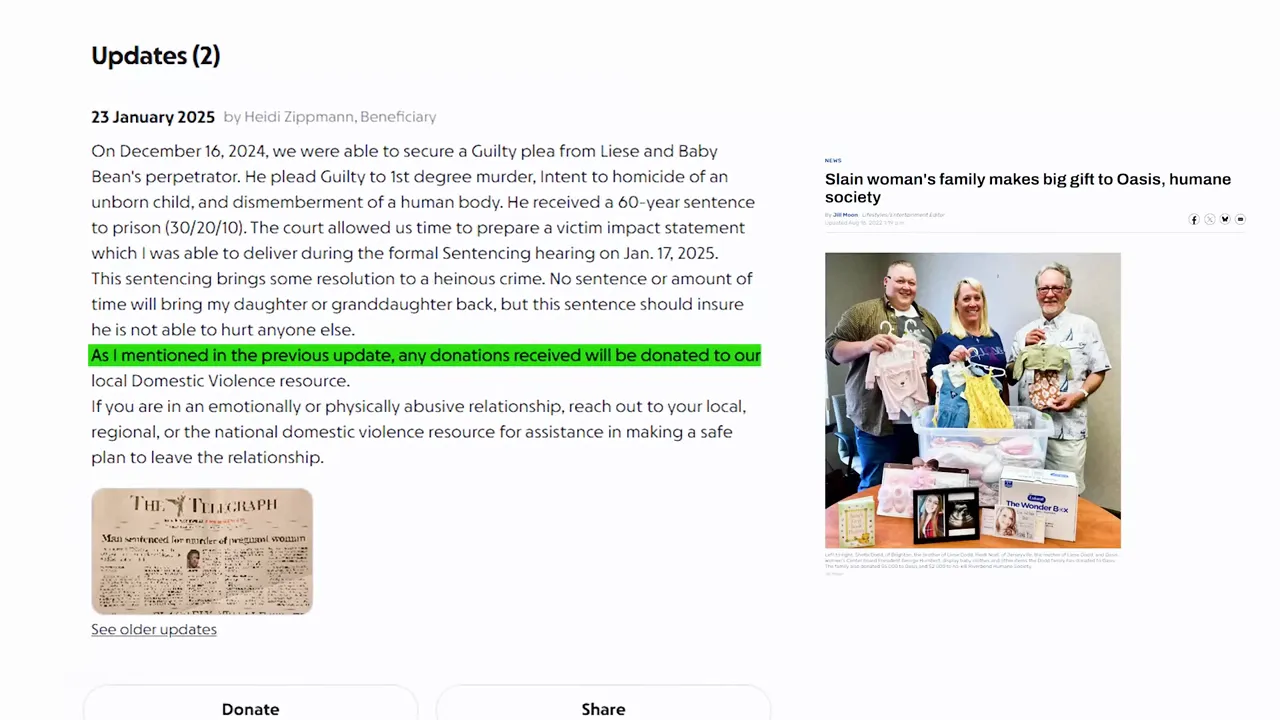
Following Lisa’s death, her family set up a GoFundMe to help with funeral expenses and, importantly, to donate proceeds to local domestic violence resources and animal shelters—two causes Lisa cared about. The effort raised funds that were later directed toward those resources in her memory. The family's public statements and the community’s support underscored that, even after the trial, there are ways to channel grief into meaningful action.
Reflections on Accountability and Prevention
There are difficult trade-offs in any discussion of prevention. Policy changes that expand involuntary treatment risk infringing on civil liberties; lowering thresholds for intervention could expose people to harm from institutions. But the core of prevention lies in accessible, consistent services: affordable mental health care, robust domestic violence support centers, reliable housing options for people escaping abusive partnerships, and education that helps communities recognize and respond to danger signs.
We must also support victims in ways that are practical and empathetic. Believing someone who reports abuse, offering concrete help in leaving when it's safe, and recognizing that separation from an abuser can increase risk in the short term—all of these are critical elements of an effective response. The tragedy of Lisa’s death is a reminder that we, as a society, are still learning how to reconcile the tension between individual liberty and collective safety.
What Happened in Court: The Sentence and Its Meaning
The judicial outcome—60 years in prison with a minimum of 52 years to be served before eligibility for release—represents the justice system’s attempt to impose a proportionate response to a gruesome crime. For Lisa’s family, and for many in the community, the sentence brought a measure of closure. “This sentence brings some resolution to a heinous crime,” Heidi wrote on the family’s fundraising page. “No sentence or amount of time will bring my daughter or granddaughter back. But this sentence should ensure he's not able to hurt anyone else.”
Beyond the sentencing, the court proceedings highlighted several legal tensions: the appropriate treatment of mental illness in criminal proceedings, the legal status of unborn children in sentencing, and how to reconcile the human need for compassion with the imperative for accountability. These are not purely academic debates; they affect how future cases like this one will be managed and how institutions will decide when and how to intervene.
A Final Reflection: Words Lisa Liked
There is a small, poignant detail from Lisa’s online presence that has stayed with many who followed her story. She once shared a poem on her Facebook page, lines that now read like a testament to her inner world and the unfulfilled life she deserved:
“After a while, you learn the subtle difference between holding a hand and chaining a soul... And you learn to build all your roads on today, because tomorrow's ground is too uncertain for plans... So you plant your own garden and decorate your own soul instead of waiting for someone to bring you flowers... And you learn that you really can endure, that you really are strong, and you really do have worth.”
Those words are a bittersweet reminder that even in the darkest stories, there are glimmers of hope and lessons for the future. They invite us to honor Lisa not as a victim whose story is reduced to headlines, but as a person with loves, plans, and a humanity that deserved protection and kindness.
Closing Thoughts: Why This Story Matters
This was not just another true-crime narrative. It was a preventable tragedy that underscores systemic failures: the difficulty of escaping abusive relationships, the scarcity of consistent mental health treatment, social stigma around seeking help, and the chilling speed with which warning signs can escalate to irreversible violence.
I told this story because we owe Lisa and those like her a careful record—one that preserves details without exploiting pain. I wrote it to amplify the voices of those who tried to help her, to make sense of what happened that night, and to urge readers to take domestic violence seriously. If nothing else, I want Lisa’s story to serve as a caution and a call to action: believe survivors, invest in accessible mental health care, and develop practical supports for those trying to leave violent situations.
If you are struggling, please reach out. If you suspect someone else is in danger, take those instincts seriously. It’s often the small intervening actions—calling a hotline, offering a place to stay, helping someone get to an appointment—that make the difference between a future where people survive and one where they don’t.
Where to Go From Here
Stories like Lisa’s can paralyze us with grief, or they can galvanize us into action. Here are concrete steps you can take:
- Learn the local resources in your community: domestic violence hotlines, shelters, and counseling centers.
- Support organizations that provide long-term mental health care and early intervention services.
- Talk openly about healthy relationships with young people—recognize that cycles of abuse are often normalized early.
- If you suspect immediate danger, call emergency services. If you suspect non-immediate but serious risk, help the person develop a safety plan and connect them to advocates.
- Donate or volunteer with local domestic violence organizations and shelters; practical help matters.
Lisa deserves to be remembered for the life she planned, the compassion she showed, and the human warmth she gave to others. If her story can prevent even one similar tragedy, then the pain her family endured can lead to systemic change and more lives saved.
Final Note
To the family and friends of Lisa Dodd: thank you for your courage in sharing pieces of her life with the world. To the community members who spoke up, those who provided evidence, and the investigators who pursued the truth—this account draws heavily on your voices. And to readers: hold these details with care. If this article moved you, consider supporting the victims’ services and local shelters working to keep others safe.
Lisa’s poem ends with a line that now carries new urgency: “With every goodbye, you learn.” We learned a terrible lesson from this goodbye. Let it change how we act, how we listen, and how we respond the next time someone’s life hangs in the balance.



 Posts
Posts


0 Comments