
This article is a detailed, documentary-style account of the events, motives, planning and aftermath of one of the most devastating atrocities in New Zealand's history. It draws on a careful reconstruction of the case and the public record to tell the story of Brenton Harrison Tarrant — his upbringing, his descent into violent extremist ideology, the attack he carried out on March 15, 2019, and the ripple effects that followed around the world. I produced this account in the same factual, documentary voice familiar from my videos and have aimed to leave opinions aside, presenting contemporaneous actions, statements and consequences so readers can understand how the tragedy unfolded and why it mattered.
Outline
- Beginnings: childhood, family breakdown, early isolation
- Descent into extremism: online echo chambers, travel, affiliations
- Preparation: weapons, manifesto and target selection
- The attack: minute-by-minute account of Al Noor and Linwood mosques
- Immediate aftermath: victims, emergency response and national impact
- Legal aftermath: arrest, charges, trial, sentencing and prison
- Global ripple effects: copycats, online spread, policy responses
- Long-term lessons: radicalization, platform responsibility and community resilience
Introduction — a neutral recounting of what happened
On March 15, 2019, a lone gunman carried out a meticulously planned, live-streamed attack on two mosques in Christchurch, New Zealand. Fifty-one people died and many more were wounded. The violence was recorded by the attacker and broadcast in real time to an online audience. The event exposed the intersection of personal trauma, online radicalization, far-right extremist ideology, and a media ecosystem that can amplify a killer’s message beyond national borders.
This account traces the arc from Brenton Harrison Tarrant’s early life through to the attack itself and the responses that followed. The goal is documentary: to present known details of the biography, planning and execution, and the social and legal aftershocks that reshaped policy, community responses and international conversations about violent extremism.
Beginnings: childhood, family fracture and early signs
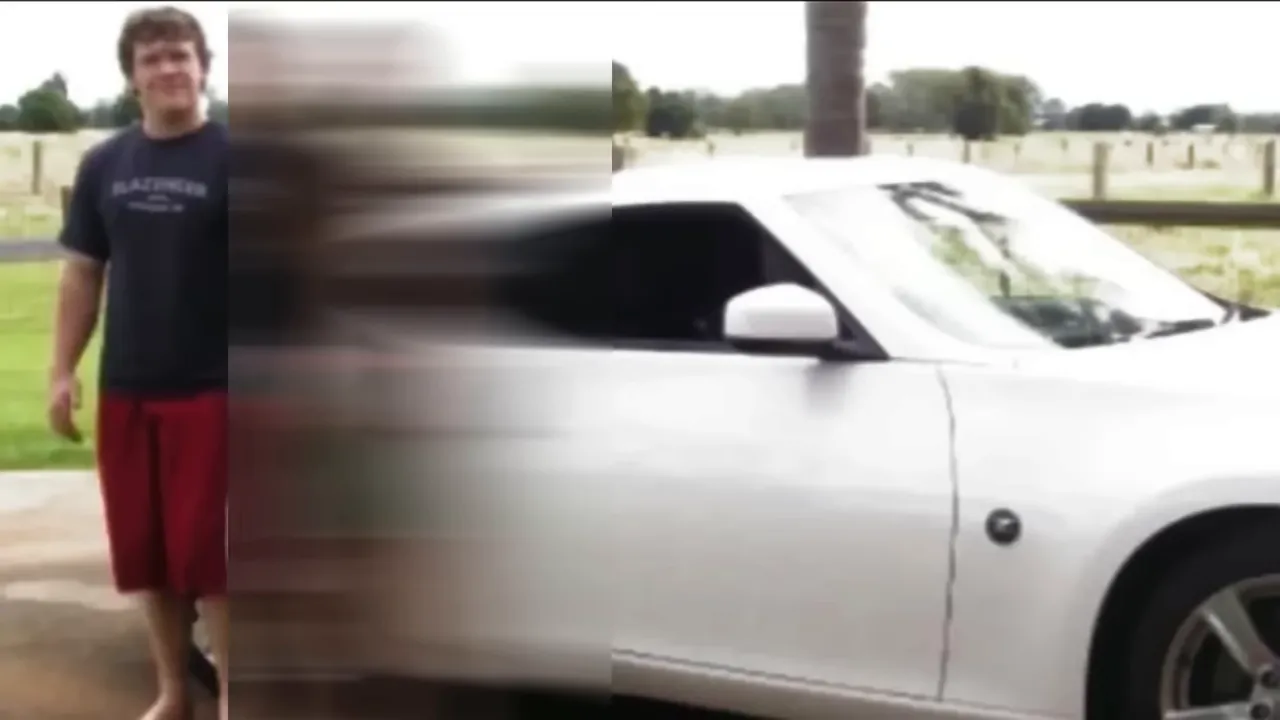
Brenton Harrison Tarrant was born on October 27, 1990, and grew up in Grafton, New South Wales. His childhood was ordinary in some ways but marked by a rapid family fracture. His parents separated while he was young, and Brenton and his sister initially lived with their mother. Neighbors and family later described changes in his behavior after the separation: increased anxiety, clinginess, and difficulty socializing with peers.
The situation intensified when their mother began dating a man of Aboriginal ancestry who, according to family accounts, became violent toward the household. An apprehended violence order was eventually sought to protect the children. Those early experiences — breakup, a violent household figure, humiliation, and a sense of injustice — were formative for Tarrant.
During early adolescence various stressors compounded. Around age 12 he experienced rapid weight gain, leading to bullying at school; he and his family later lost their home in a fire; and his grandfather died. Teachers later recalled a conflicted student — disinterested in classroom work yet unusually well read and knowledgeable about historical conflicts like World War II. These dualities — intellectual curiosity combined with social withdrawal — are important when we look at the path he would later take.
Tarrant’s immersion in online communities began early. He began using forums like 4chan by age 14 and spent long hours on massively multiplayer online games (MMOs) and first-person shooters. Unrestricted access to the internet and limited parental oversight helped him build an isolated environment where online interaction increasingly replaced real-world socialization. By his early teens he was already making public pronouncements about immigration and developing antagonistic narratives about specific ethnic groups.
He told his sister at one point that he thought he might be autistic or even sociopathic — an observation of his own isolation, rather than a clinical diagnosis. Teachers reported intervening with conversations to address his recurring outbursts and rants. These early incidents would later be contextualized as warning signs of an adolescent retreating into online life and grievance-driven narratives.
From gym conversions to inheritance: money, travel and a changed trajectory
As Tarrant entered his late teens and early 20s, more tangible life events shaped his future choices. His father, who had worked with asbestos, developed mesothelioma. The illness and the stress of impending loss pushed Tarrant to focus on physical transformation: he joined a local gym, lost roughly 52 kilograms (about 114 pounds), and eventually worked as a personal trainer. This period appeared as a positive turn for a while — a project, a job, and a social role.
In 2010, Tarrant’s father took his own life after making a plan that involved his son finding the body. Following his father’s death, Brenton Tarrant inherited a substantial sum — roughly AUD 457,000 — mostly from a prior settlement related to the illness. This inheritance gave him financial independence he would later use to travel extensively and to purchase weapons and gear.
With the funds, Tarrant retreated further into an online social life and gaming circles. He developed a small but influential circle of online friends, including one in New Zealand who would be a key contact. Over the next several years he used travel as a means of coping and of seeking meaning — visiting Europe, Asia, and even joining a tour group in North Korea. Those trips also deepened his interest in historical narratives around conflicts between Christian and Muslim forces, particularly in the Balkans and the Ottoman theater, which became a recurring theme in his social media postings and later in his own writings.
Descent into online extremism: forums, donations and an echo chamber
As Tarrant traveled, his worldview hardened. His trips to Turkey and other eastern European locales exposed him to white nationalist groups and narratives. He gave financial support to organizations he admired and even contacted leaders of some groups. His online footprint became more explicit and extreme: regular activity on 4chan, then 8chan; commenting on extremist pages; posting and sharing memes glorifying past white supremacist attackers; and amassing a feed of content that validated his grievances.
8chan, in particular, had become a notorious hub for anonymous, unmoderated extremist content — including manifestos and posts by other mass attackers. Tarrant’s increasing presence on such platforms matters because it demonstrates how unregulated spaces can become incubators: spaces where mutual validation, admiration for prior attackers, tactical discussions and encouragement coalesce.
He also found significant inspiration on mainstream platforms. He later described YouTube as a "significant source of information and inspiration," highlighting how algorithmic recommendation systems can feed confirmation bias by delivering progressively more extreme content. Over time his public persona on social media became a collage of travel photos and propaganda: Balkan nationalist imagery; memes about previous white supremacist killers; and commentary that framed immigration and demographic change as warfare.

By 2016 his posts included praise for leaders of extremist groups and donations to their causes, and his tone shifted from ranting to explicit violent intent. Instances of direct threats were reported by concerned targets to local authorities, but many comments remained below the legal threshold for police action at the time, appearing as harassment rather than imminent planning. This gap — between troubling online signs and law enforcement capacity to intervene — is central to later debates about prevention.
Settling in New Zealand, acquiring firearms and honing intent
In August 2017, Tarrant moved to New Zealand and settled in Dunedin. Local neighbors described him as a loner but polite. He developed a growing interest in Islamic terror attacks — not as an empathetic observer but as someone who began to imagine carrying out a mirrored act: violence committed by a white attacker against Muslim places of worship. He acquired a firearms license in November 2017 and began purchasing weapons almost immediately.
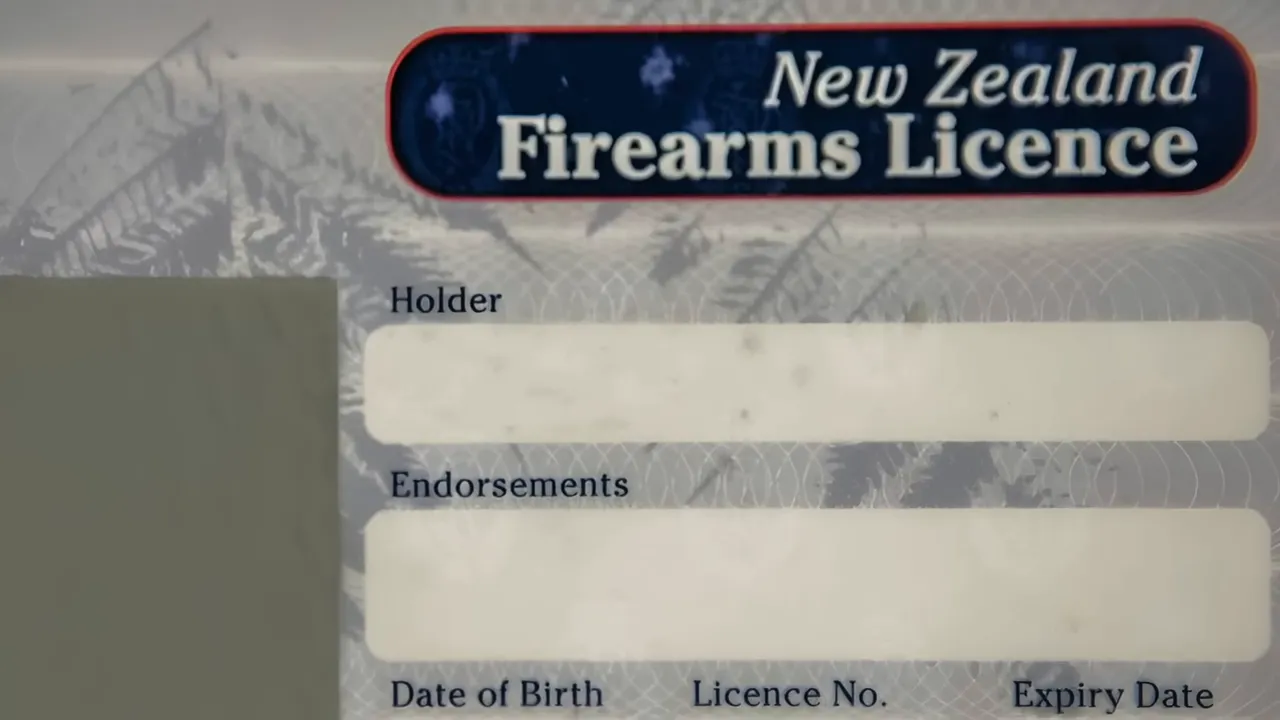
Within months he legally purchased multiple guns and large amounts of ammunition. What the retailers did not know was that he altered the weapons post-purchase: fitted higher-capacity magazines and modified triggers to reduce pull weight — changes that made the firearms more lethal and harder to control. Over time, he spent more than NZD 30,000 on firearms, attachments and ammunition. He practiced at local clubs and even injured himself while attempting to clear a jammed round. During hospital treatment he was also evaluated for steroid use; had the clinical team notified police, it might have triggered a reassessment of his license, but that reporting did not occur.
Financially independent and largely unemployed in New Zealand, Tarrant lived off investments and rental income. He debated whether to relocate to Ukraine or end his life, and by 2019 he anticipated running out of money by August. That deadline sharpened his thinking: unable to imagine a meaningful future, he chose to plan an attack that would ensure notoriety and enact the violent ideology that had been incubating for years.
Manifesto and symbolism: crafting a message
Like several other contemporary mass attackers, Tarrant prepared an ideological document. His first attempt produced a sprawling 240-page manuscript that he later discarded in favor of a shorter, sharper 74-page version he titled The Great Replacement, explicitly referencing the conspiracy theory that framed non-white immigration as the deliberate displacement of white populations.
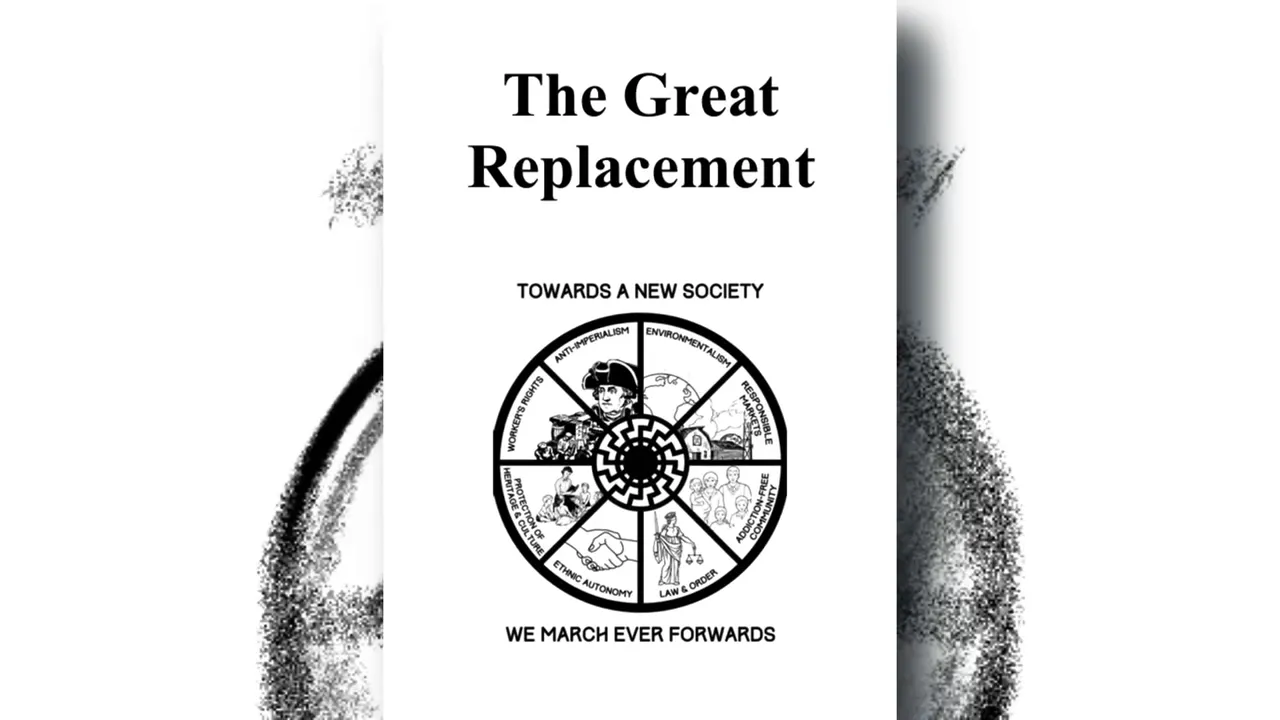
The manifesto combined personal narrative, false claims and ideological justifications. He misrepresented aspects of his past (notably failing to disclose the inheritance) and attempted to craft a believable "everyman" background while staking out extremist positions. The document listed motives clearly: to retaliate for perceived historical wrongs against Europeans; to intimidate immigrants; to incite similar attacks; to drive wedges between different communities; and, explicitly, to increase political friction in the United States — going so far as to say that he used guns in part to generate debate around the U.S. Second Amendment.
He named prior attacks and attackers as reference points, claimed that his targets were symbols of a broader demographic shift, and deliberately chose New Zealand as a place where "nowhere is too safe." The manifesto included imagery and coded references commonly used by white supremacist movements — numerical symbols, phrases and insignia that signaled affiliation to a broader ideological milieu. His vest included extremist symbols; magazines and weapons bore painted slogans and names of perceived enemies and admired killers. These symbols served both a personal ritual and a propaganda function: they communicated allegiance and ensured that the attack would be read inside an existing extremist narrative.
Goodbye, God bless you all, and I will see you in Valhalla.
That signoff — included at the end of his manifesto — is chilling, because it captures both the self-delusional righteousness and the performative martyrdom central to the document. Importantly, beyond the content itself, the existence of a manifesto signaled an intent to spread the message globally after the act — a motivation that would shape how he executed the attack.
The day of the attack: live-streaming violence
On March 15, 2019, Tarrant mobilized. He prepared a car loaded with weapons and incendiary materials, dressed in tactical gear and an airsoft helmet with a mounted GoPro. Before leaving his residence he emailed his manifesto to multiple recipients: to news outlets, to the office of the Prime Minister, and to online forums. He posted the manifesto to Twitter and 8chan and then started a live stream from the GoPro that broadcast the act as it unfolded.
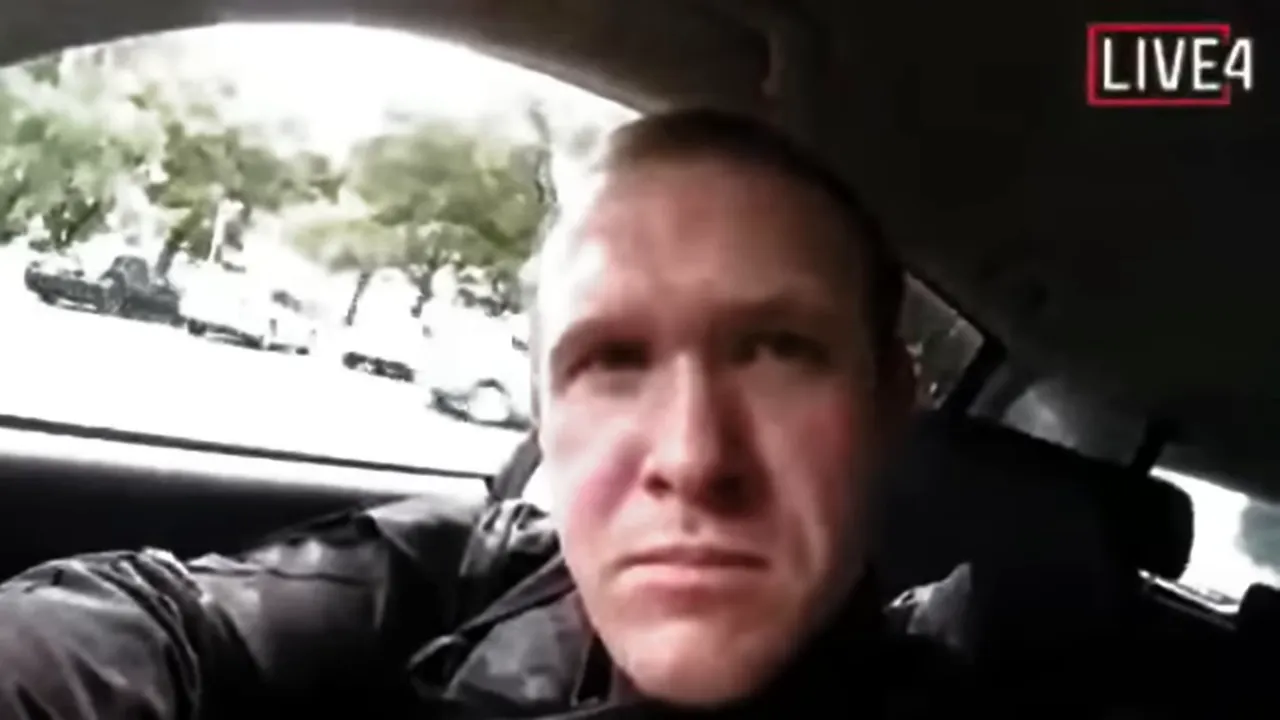
He posted a direct invitation to 8chan's poll board with the message: "Well lads, it's time to stop shit posting and time to make a real-life effort post. I will carry out an attack against the invaders and will even live stream the attack via Facebook." The live stream drew an audience of more than a hundred people. During the event many viewers watched but did not report the activity to the platform or to authorities; the footage was subsequently shared widely across multiple sites, a grim testament to how a single live source can be replicated and transmitted globally within minutes.
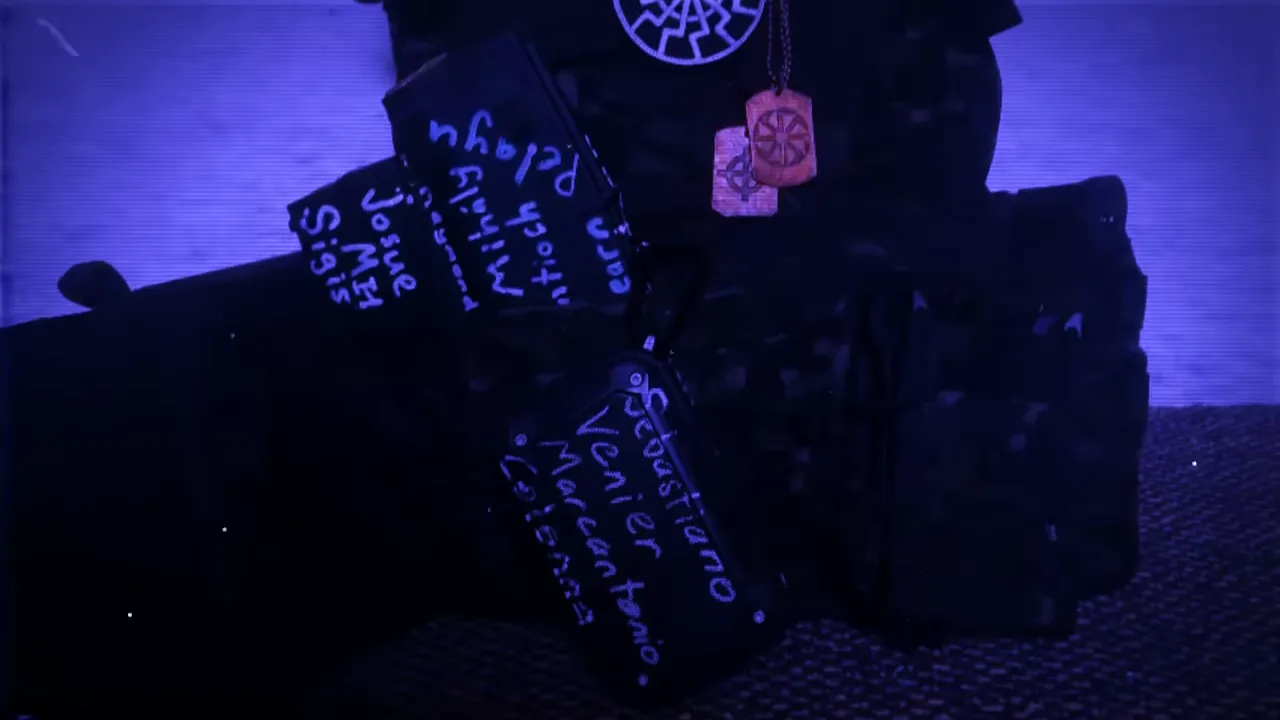
He began by urging viewers to subscribe to a popular YouTuber — a cruel and dissonant cultural reference inserted as the stream began. He then played nationalist and martial music from a Bluetooth speaker as he drove toward his first target: the Al Noor Mosque in a Christchurch suburb.
Al Noor Mosque — timings and actions
At 1:39 p.m. he parked beside the Al Noor Mosque and armed himself with multiple weapons. The attack on Al Noor began almost immediately after he approached the entrance. Eyewitnesses describe the first seconds: a man at the doorway cheerfully greeted him with "hello brother" — and in under a second he raised a shotgun and fired repeatedly, killing those near the door.
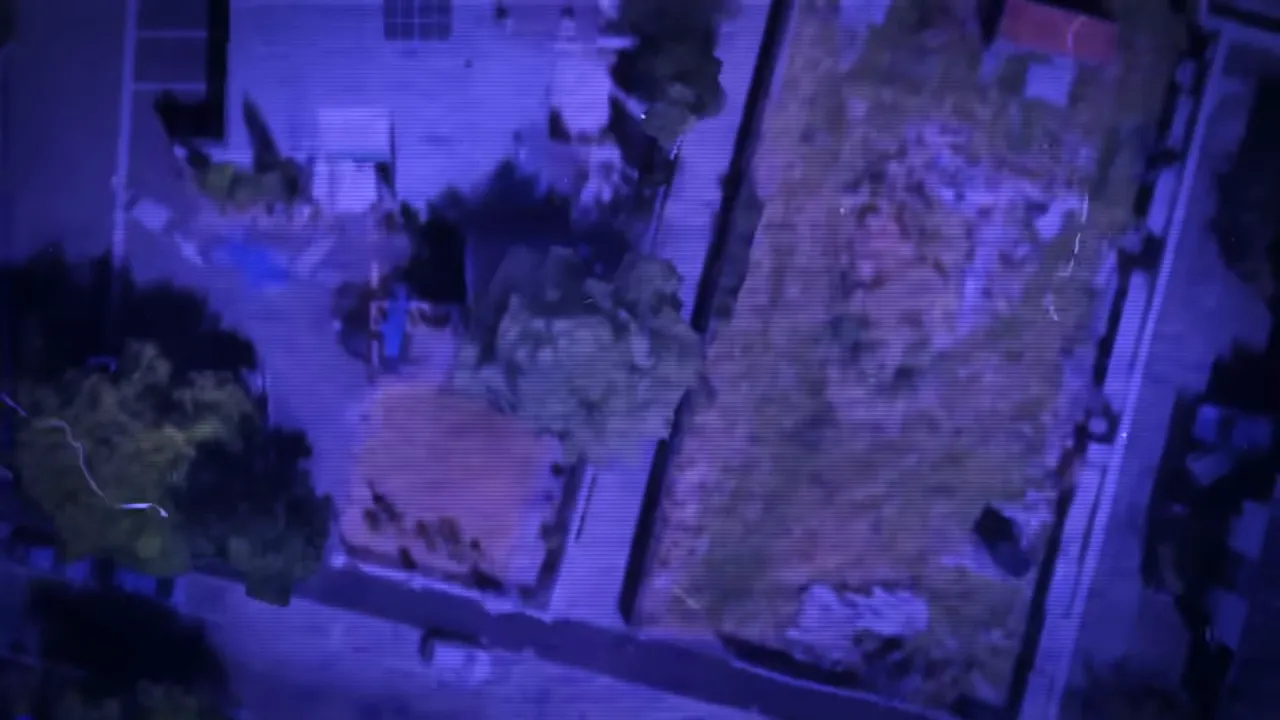
Inside the mosque, worshippers were stunned, disoriented and unprepared for violence. Tarrant moved methodically through the building: firing into hallways, into the main prayer hall where groups of men had gathered, and repeatedly returning to reload and continue firing. One worshipper, Naim Rashid, attempted a physical intervention: he charged the gunman, knocked him back and caused a magazine to fall. Tragically, during the struggle Tarrant fired on Naim and later executed him at point-blank range.
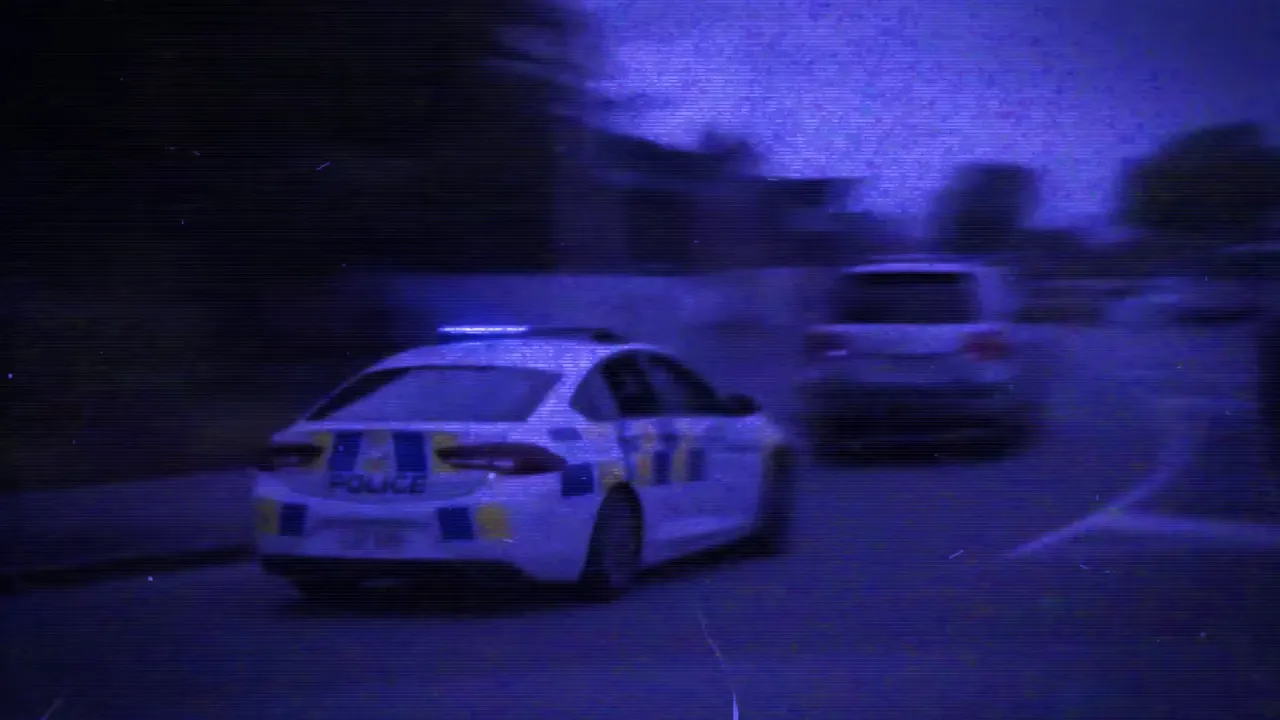
For roughly six minutes the first scene of carnage unfolded: people huddled, many unable to escape; others tried to flee and were shot down in the courtyard or the parking lot; panicked calls to emergency services began as the shootings continued. The police received their first reports of shots fired around 1:42 p.m. — only minutes after the live-stream began — but the attack was swift, brutal and concentrated.
Driving the scene and continuing to Linwood
After emptying multiple magazines at Al Noor and shooting victims in corridors and in the main hall, Tarrant returned to his car. He reversed, ran over one of the wounded, and continued shooting at people as he drove away. He then sped toward his next target, the Linwood Islamic Center, awash with sirens and emergent police action. The live stream cut out for unclear technical reasons during the drive.
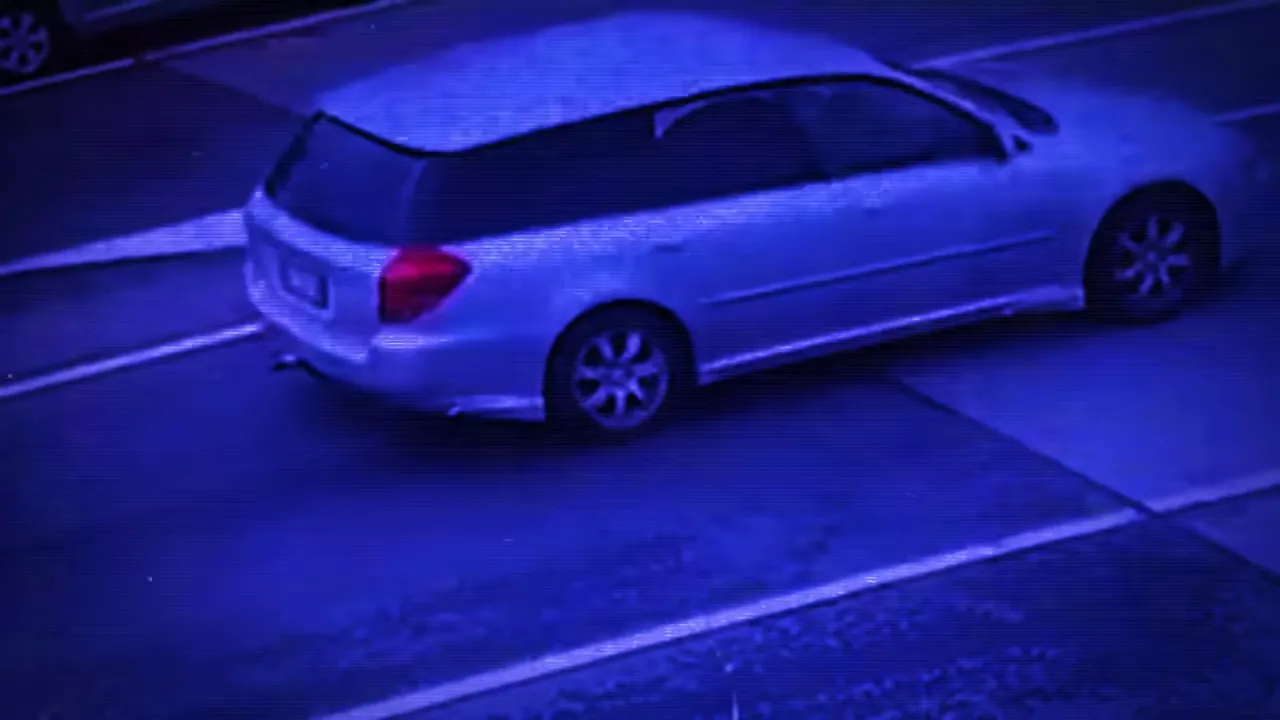
At Linwood, roughly 100 people were inside the small building. Tarrant parked to block exit lanes and found entry points from the exterior to the worship area. He shot people through windows, shot worshippers outside, and eventually entered the building to continue shooting. Again, members of the mosque attempted to intervene. One man, Abdul Aziz Wahab Zada, threw a small object and later picked up a dropped shotgun, only to discover it was empty. He tried to draw the attacker’s attention and create distraction; he later survived and would be honored for his bravery.
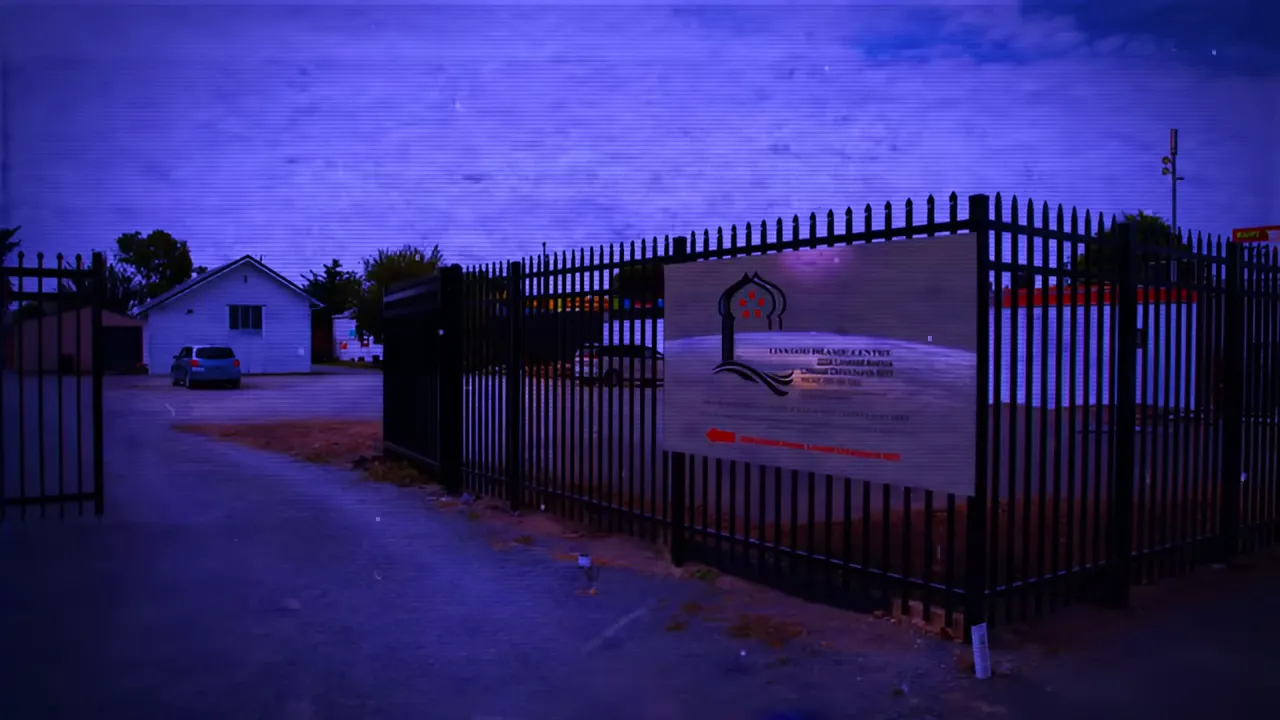
After several minutes of shooting at Linwood, Tarrant returned to his car and attempted to drive away. Police received clearer information about the vehicle and began a pursuit. A police officer spotted the car almost immediately and a short chase ended when an officer rammed the vehicle off the road, stopped it and pulled the attacker from the car. He offered no resistance and was arrested at 1:59 p.m., around 20 minutes after the initial attack began. When questioned by police he claimed he was en route to another mosque and falsely asserted he was one of multiple shooters; he later admitted these claims were lies.
Immediate consequences and human toll
When the scene calmed and authorities tallied the casualties, the numbers were stark and devastating. Fifty-one people died either on site or later of their wounds. Forty-four deaths occurred at Al Noor; seven at Linwood. The victims ranged in age from three years old to 77. Many more were wounded: thirty-five injured at Al Noor, five at Linwood, and dozens more injured while fleeing or in the chaos that followed.
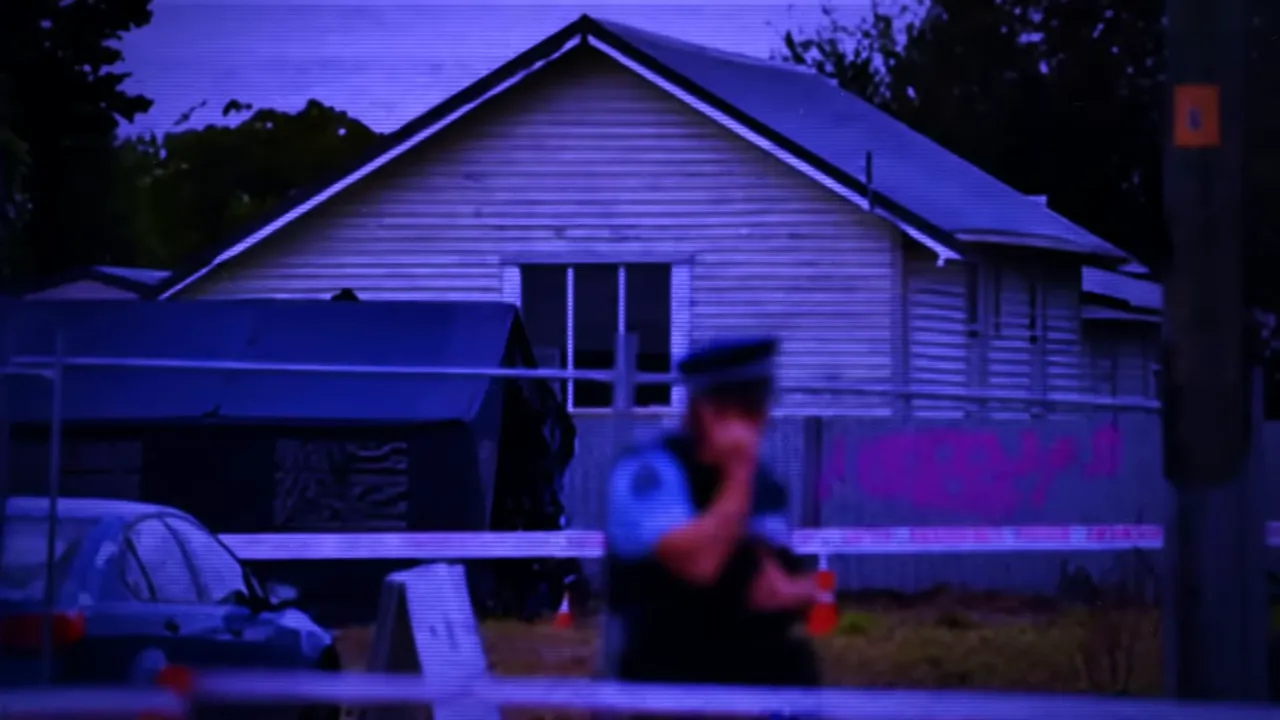
Six firearms were recovered from the attacker’s vehicle and from the scenes: two assault-style rifles, two 12-gauge shotguns, and two other rifles. Law enforcement also discovered explosive devices in the car which were defused. In the immediate hours and days the New Zealand government raised the national terrorism threat level to high — a first for the country — and canceled public tours and flights, increased security at government buildings and placed additional police patrols around places of worship.
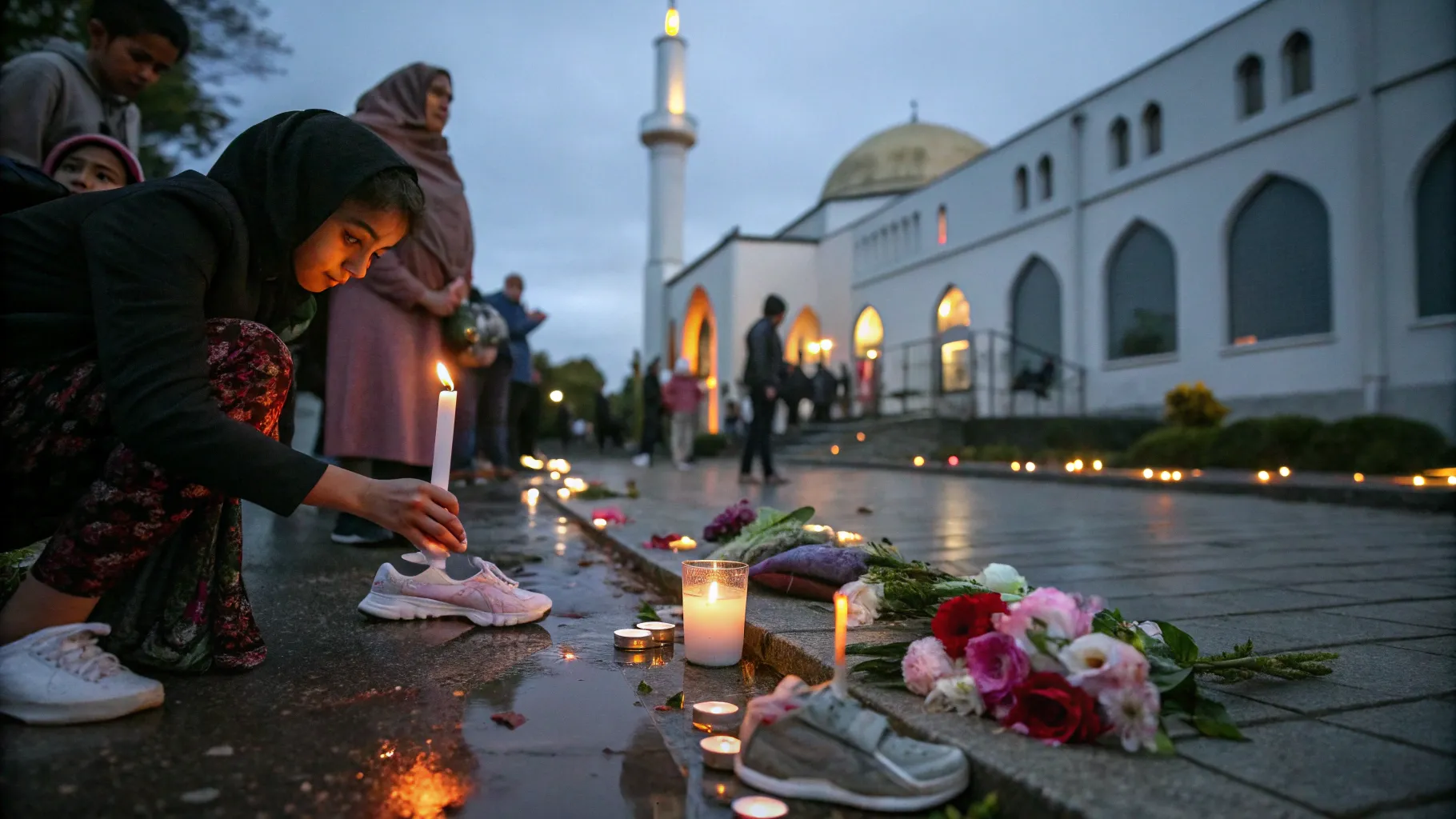
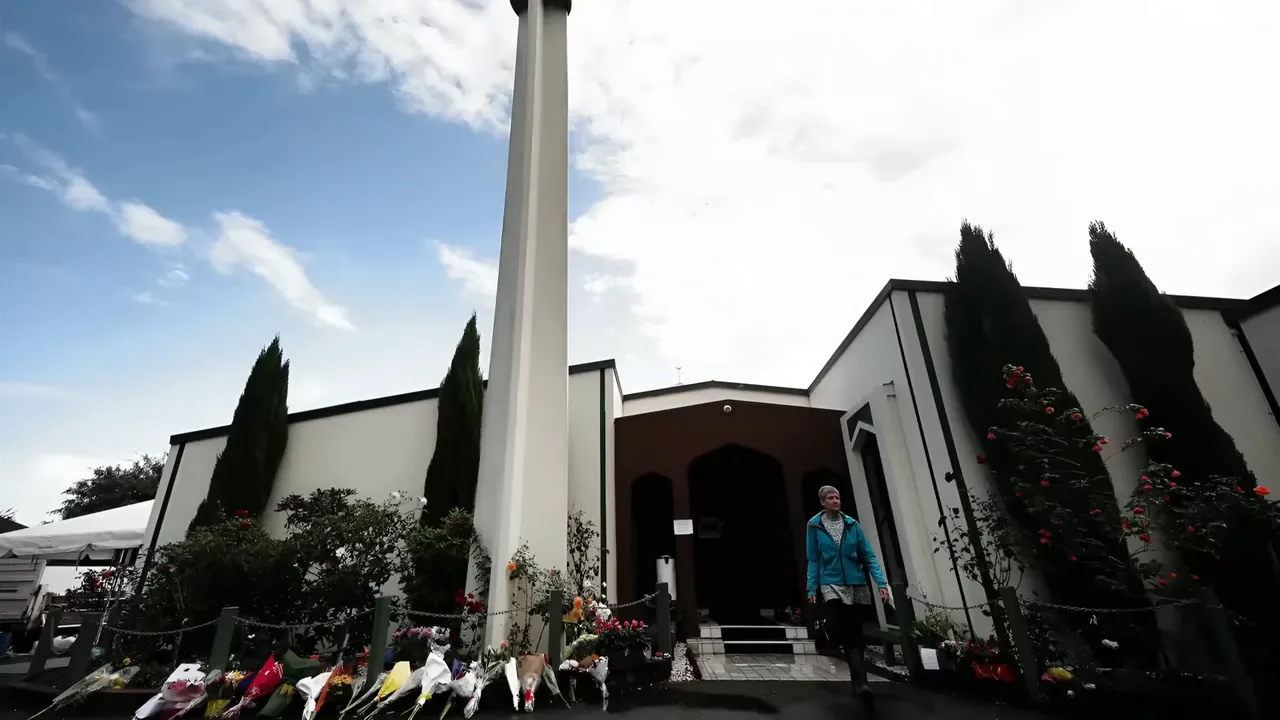
National grief was profound and swift. Mosques around New Zealand and across the world held vigils; people of many communities turned out to protect worshippers and to offer solidarity. Groups that rarely cooperate publicly — civil society organizations, political leaders, street gangs and faith communities — mobilized to guard mosques and to show support to victims and their families. An online fundraiser generated millions for survivors and families. The government announced it would cover funeral costs for the victims.
Media, platforms and the spread of violent content
One of the most disturbing aspects of the attack was its live broadcast and the speed with which recorded content was mirrored across platforms. Within minutes copies of the live stream and edited clips spread to LiveLeak, Facebook, Reddit, YouTube and other file-sharing sites. Despite repeated takedown requests, the footage propagated widely — raising critical questions about platform moderation, obedience to content policies and the technical difficulties of removing widely distributed material.
New Zealand authorities later deemed the live-stream and its distribution to be “objectionable” and made dissemination of the footage a criminal offense within the country. Copies of the manifesto were also shared widely; translations circulated internationally and, in some cases, versions were offered for sale. Online forums like 8chan processed and amplified material in a subcultural ecosystem that celebrated the attacker. This rapid dissemination made the incident not only a local atrocity but a global media event that other extremists could and did study.
Legal response: charges, plea, trial and sentencing
Within days Tarrant faced multiple charges. He was initially charged with murder and transferred to the high-security unit at Auckland Prison. He later faced a total of 50 counts of murder and 39 counts of attempted murder, as well as a charge of engaging in a terrorist act. He was ordered to undergo psychiatric assessment and stood capable of facing trial.
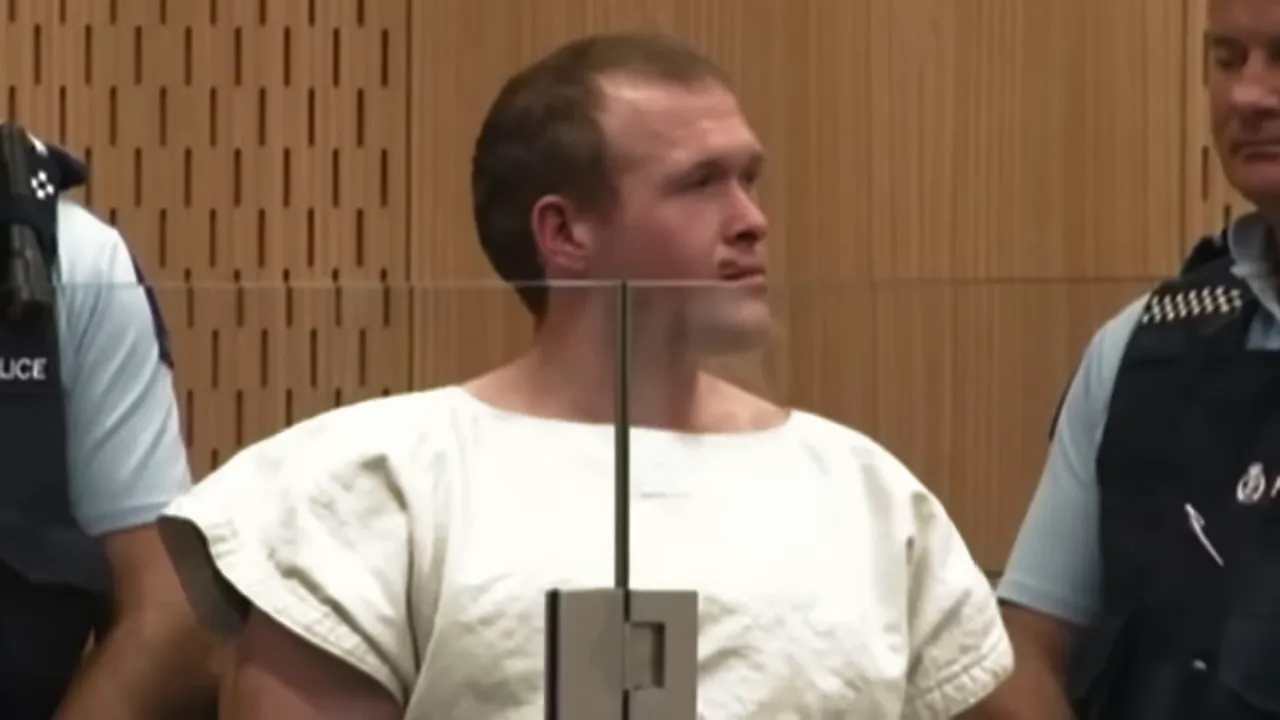
In 2020, Tarrant reversed an earlier decision to plead not guilty and entered guilty pleas to all charges. The judge fast-tracked the case; the confession allowed survivors and families to avoid a lengthy public trial and resulted in an unprecedented sentence. On August 24, 2020, after victim impact statements were heard and the prosecution presented evidence of meticulous planning, the court sentenced him to life imprisonment with no possibility of parole on each murder charge, and life sentences for terrorism and attempted murder charges. It was the first time New Zealand had handed down life without parole.
The attack was so wicked that even if you are detained until you die, it will not exhaust the requirements of punishment and denunciation.
The judge’s words reflected both the scale of the crime and the legal determination that such an act demanded the maximum punitive response possible under New Zealand law.
Recognition of bravery and community resilience
Alongside the grief and anger were stories of courage. Naeem Rashid, the worshipper who charged the attacker at Al Noor and was later killed, was posthumously awarded honors for his effort to stop the shooting. Abdul Aziz Wahab Zada, who attempted to divert the attacker at Linwood and later confronted him at the vehicle, was recognized for his bravery as well. These acts underscore that amid atrocity, human beings still risk themselves to protect others.
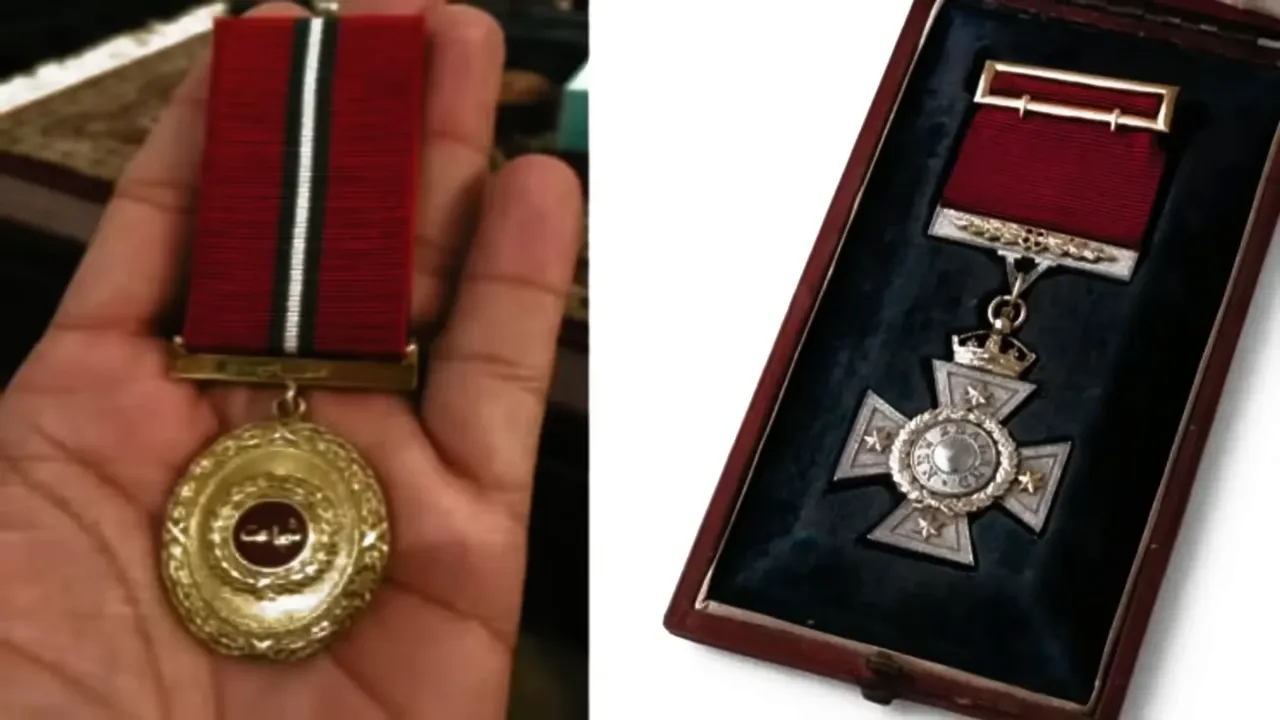
Communities also rebuilt: mosques reopened within days, and the Linwood Islamic Centre would later receive significant funding to construct a new, larger mosque — an act which embodied both practical rebuilding and a refusal to be cowed by violence.
Policy change: firearms law reform
In the wake of the attack the New Zealand government moved swiftly to change firearms legislation. Semi-automatic weapons were banned in sweeping reforms that included a buyback program and reclassification of certain rifles and shotguns to require police approval. The changes reflected a national consensus that policy adjustments were necessary to reduce the possibility of similar attacks.
Global reverberations: copycats and inspired attacks
The attack’s ideological signals and the live-stream and manifesto circulated in ways that allowed other attackers to study and imitate. Within days and months there were acts and attempts worldwide that took inspiration from Tarrant’s methodologies and rhetoric: arson attacks on mosques with graffiti referencing Christchurch; shooters in other countries who echoed the manifesto’s language and phrases; and attempted attacks aborted by law enforcement action.
Notable subsequent incidents included attempts by individuals in various countries to commit acts of violence referencing Christchurch as a model or justification. Some attackers attempted to livestream their attacks but were less successful technically; others adopted parts of the iconography used by the Christchurch attacker. These copycat incidents demonstrated how a single, widely distributed attack can transform into a template for others when ideological narratives and tactical details are accessible online.
Continued legal, social and correctional developments
After the sentencing, Tarrant’s legal situation continued to evolve. He filed complaints about prison conditions, attempted to appeal his classification as a terrorist and later abandoned and resumed various appeals. In New Zealand the corrections system and the justice apparatus had to balance security and rights while managing a highly publicized prisoner whose presence presented safety, legal and moral complications.
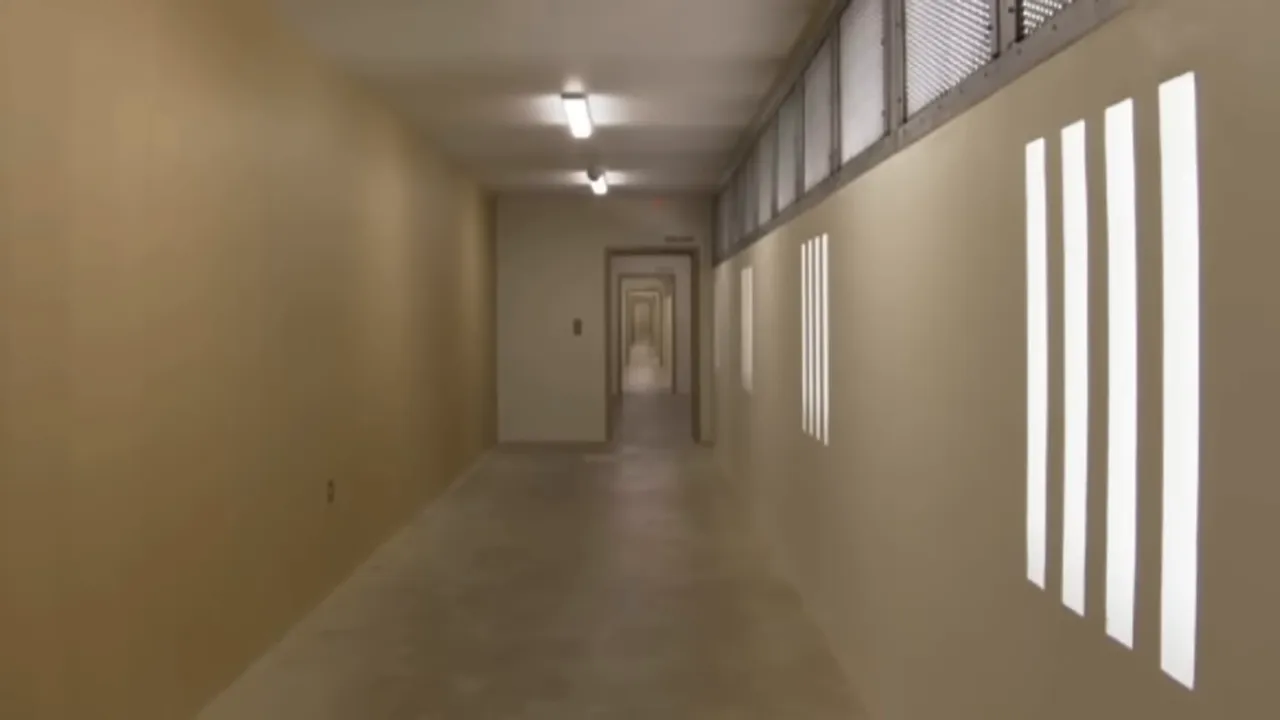
Authorities also froze his assets and criminalized financial support. The Department of Corrections reviewed mail and contact policies for high-risk extremist prisoners after material exchanges (e.g., letters from supporters) from the outside world raised concerns about the prison’s capacity to prevent glorification. At times, the public court process — including televised sentencing hearings — reopened wounds for survivors and families, producing a complex debate about transparency and retraumatization.
Digital permanence and the challenge of removal
One of the most intractable problems after the attack has been the internet’s persistence. Copies of the live stream and the manifesto remain searchable. Despite takedown requests and legal restrictions (including designation of the video as illegal to distribute in New Zealand), the content has proliferated onto many servers and peer-to-peer networks and has been mirrored by users determined to keep it online. This reality presents an ongoing dilemma: how to remove material that continues to inspire apologists and copycats while preserving records for researchers, journalists and academics.

The inescapable conclusion is that once violent content escapes into a global network, it is extremely difficult to erase. The social and policy response must therefore be multifaceted: platform enforcement, legal measures, educational programs, counter-messaging and community-level prevention work.
Why this case matters: radicals, platforms and prevention
The Christchurch attack sits at the intersection of several modern phenomena:
- Personal grievance and trauma: early life events and social isolation that can predispose an individual to extreme action.
- Online radicalization: the role of unmoderated forums, social media algorithms and cross-platform amplification in normalizing extremist narratives.
- Technical facilitation: access to weapons, modifications that increased lethality, and the proven ability to live-stream acts of violence.
- Global contagion: how a single event can serve as a script for subsequent attackers worldwide.
From a prevention perspective, the case underscores the importance of early detection, community reporting, better thresholds and cooperation between medical, social and law enforcement sectors, and platform accountability. Clinicians, educators and community leaders must be empowered to act when they detect patterns of escalating violent rhetoric. Platforms must improve their response speed to content that signals planned violence, and legal systems must adapt to the reality of cross-border, online-enabled radicalization.
Community response, memorialization and acts of healing
In the months and years after the attack, communities in New Zealand and abroad chose to memorialize the victims, honor the defenders and rebuild houses of worship. The country’s public mourning and official recognition of bravery served both symbolic and practical functions: they demonstrated solidarity, reasserted shared civic values and prevented the attacker’s aims — which included sowing division and fear — from being fully realized.
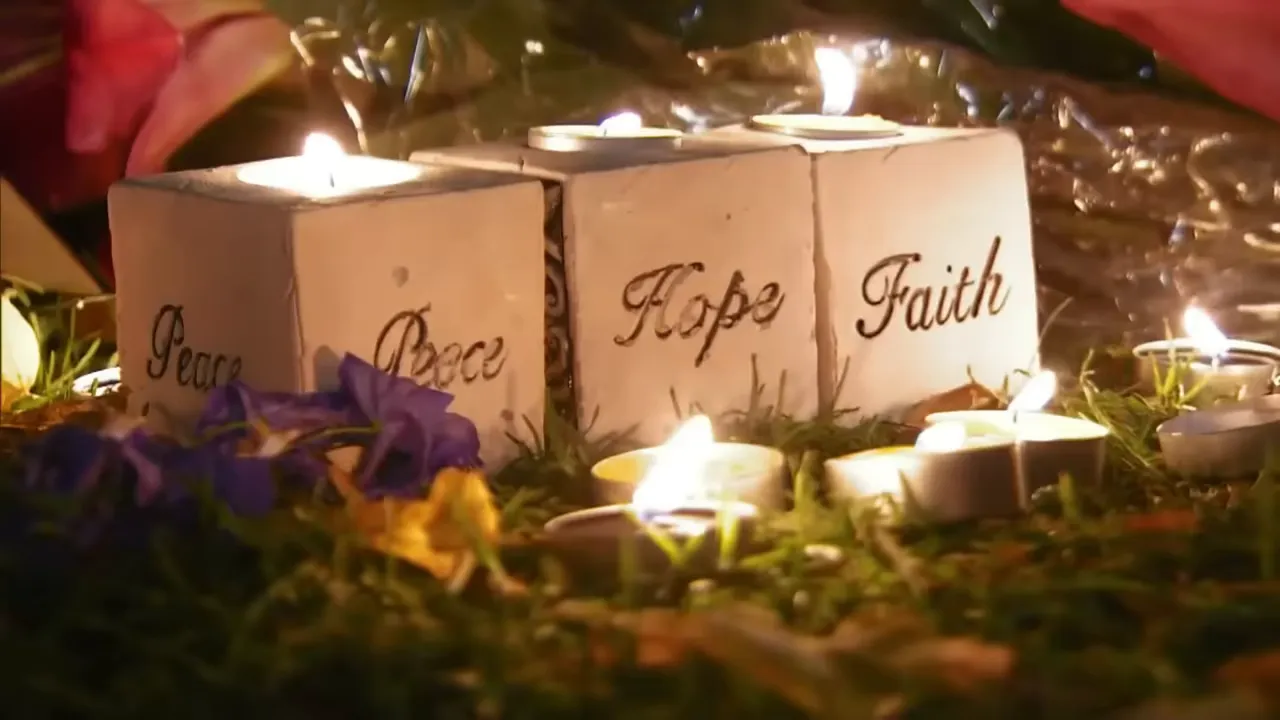
Funding drives, formal honors for those who intervened, and community-led initiatives showed resilience. Even the rebuilding of Linwood Islamic Centre — supported by significant donations — signaled that the targeted communities were determined to continue practicing their faith and to expand capacity rather than retreat. Such responses speak to how communities can reclaim narratives after atrocity.
Legal and policy legacies beyond New Zealand
The attack triggered policy conversations internationally. While New Zealand moved rapidly to amend firearms laws, other countries examined the cross-border dynamics of online radicalization, shared best practices in policing and prevention, and discussed platform responsibilities. The speed and volume of content sharing forced a reevaluation of moderation and takedown procedures. The case served as both a cautionary tale about the convergence of ideology, technology and weaponry and as a prompt for governments, civil society and private platforms to adapt to new threats.
Copycats, anniversaries and ongoing threats
Even years after the event the attacker’s name continued to surface in related crimes, threats and attempted attacks. Individuals cited Tarrant as inspiration in planning violent acts in other jurisdictions. The attacker’s manifesto and the footage of his actions circulated in extremist forums and were referenced by subsequent perpetrators. These imitators ranged in scale and capability, but the repeated invocation of the Christchurch case underlines the persistent danger of a single widely publicized atrocity serving as a template for others.
Authorities have used the Christchurch example to justify preventative arrests, improved monitoring of extremism online, and more robust protective measures around places of worship. Community outreach and deradicalization programs have also been prioritized in some regions as a countermeasure to narrative-driven recruitment.
Reflections on reporting, memorializing and responsibility
There are ethical questions raised by how the attack was shared, how the attacker’s words were repeated, and how media organizations balance transparency with the risk of amplifying extremist propaganda. The widely circulated footage and manifesto created a dilemma: preserving material for historical and investigative purposes while avoiding the unintended glorification of the perpetrator and preventing further harm.
Many survivors and families called for restrictions on the publication of the attacker’s name, arguing that naming him contributed to the prestige he sought. Others advocated for openly documenting what occurred so future generations could study and learn from it. This ambiguity remains unresolved and exemplifies the challenges societies face when trying to respond to high-profile, ideologically motivated violence.
What can be done: prevention and community strategies
Addressing the root and proximate causes that produce attackers like Tarrant requires a multi-layered approach:
- Early intervention: schools, healthcare providers and community leaders should be trained to recognize and respond to early indicators of radicalization and spiraling grievances.
- Platform enforcement: social media companies and forums must develop rapid-response mechanisms for content that signals intent to commit violence, including cross-platform cooperation and real-time reporting mechanisms tied to law enforcement.
- Community resilience: funding and supporting local groups that bridge cultural divides can reduce isolation and create counter-narratives that neutralize extremist framing.
- Legal reform and oversight: clear laws around weapon acquisition, online threat reporting and support for victims must be aligned with civil liberties and human rights protections.
- Research and academic access: scholars and journalists need controlled access to extremist material for study, while distribution to the general public should be limited to prevent misuse.
Each of these elements involves trade-offs and complex policy choices. But the Christchurch attack offers a concrete example of why sustained investment in prevention matters and why no single institution can solve the problem in isolation.
Legal finality and continuing wounds
While the criminal justice system delivered a sentence of maximum severity, legal processes continued with appeals and administrative reviews regarding prison conditions and classification. For many survivors and families, these procedural maneuvers were painful and retraumatizing, often reopening the wounds of the original event.
At the same time, recognition for the brave and sacrificial actions of worshippers who resisted the attacker — and the subsequent awards given posthumously and to survivors — offered a measure of moral recompense. The rebuilding of places of worship, the donation-funded reconstruction of the Linwood mosque and ongoing memorial events remain essential to the collective healing process.
Conclusion — remembering victims, acknowledging complexity
The Christchurch attack was both an act of mass murder and a case study in modern radicalization. The blend of personal grievance, online echo chambers, travel experiences, and tactical preparations enabled a lone actor to conduct mass killings and to broadcast them worldwide. The result was immediate human tragedy and a long-term set of challenges: survivors seeking justice, communities rebuilding, and governments and platforms wrestling with how to prevent future violence.
Documenting the full arc — from early life and isolation through to planning, execution and aftermath — is painful but necessary. The lessons are stark: early warning signs should be acted on; platforms and authorities must be able to cooperate quickly; communities must be resilient; and legal frameworks must adapt to the technological realities that make live-streamed atrocities possible.
Ultimately, remembering the victims and honoring the bravery of those who resisted is the key public duty. Policy reforms, memorials and legal action matter, but they must be accompanied by sustained community-level work to reduce isolation, provide mental-health resources and build bridges between groups so that hate and dehumanization have fewer footholds to exploit.
Credits and further viewing
This article is based on a documentary-style reconstruction of the case produced by Dire Trip. For a narrated audiovisual presentation and additional context, consider viewing the original video and related episodes that explore historical patterns and extremist networks in more detail.
If you are reading about these events because you want to understand how to help, consider supporting local community organizations that work on interfaith dialogue, social inclusion and counter-extremism outreach. If you encounter online content that signals imminent violence, report it to platform moderators and, where necessary, to local authorities. Collective vigilance, compassionate community support and strengthened institutional responses are our best defenses against the tragedy repeating elsewhere.



 Posts
Posts


0 Comments