
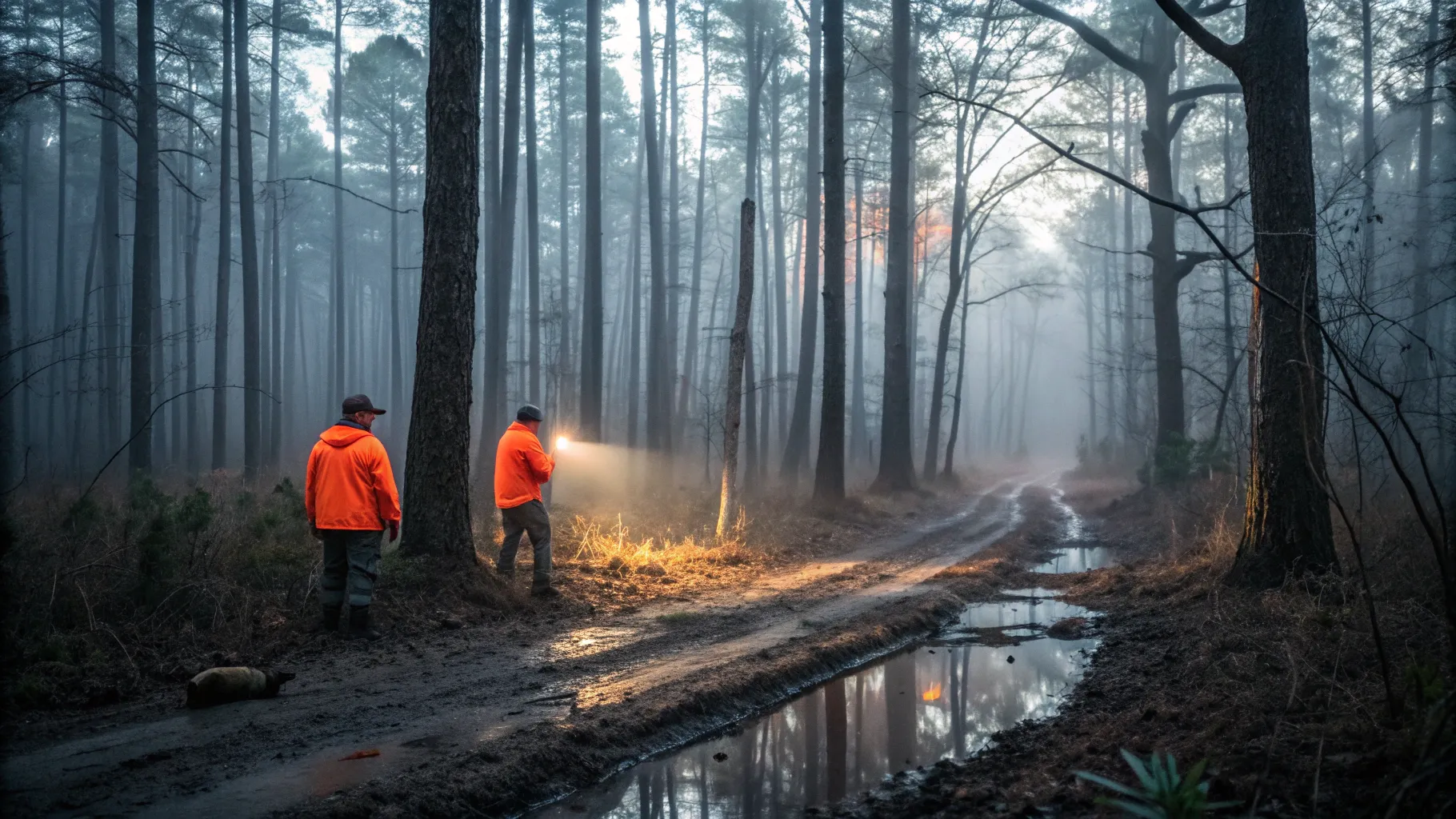
For this article I want to walk you through one of the most bewildering, tragic, and complex cases I've encountered in my years covering true crime. The story of the murder of Mindy Mabain Kassotis stretches from the dense hunting grounds of southeast Georgia to a courtroom full of competing realities — a narrative of brutal violence, elaborate deception, and a web of manipulations that took years to unravel.
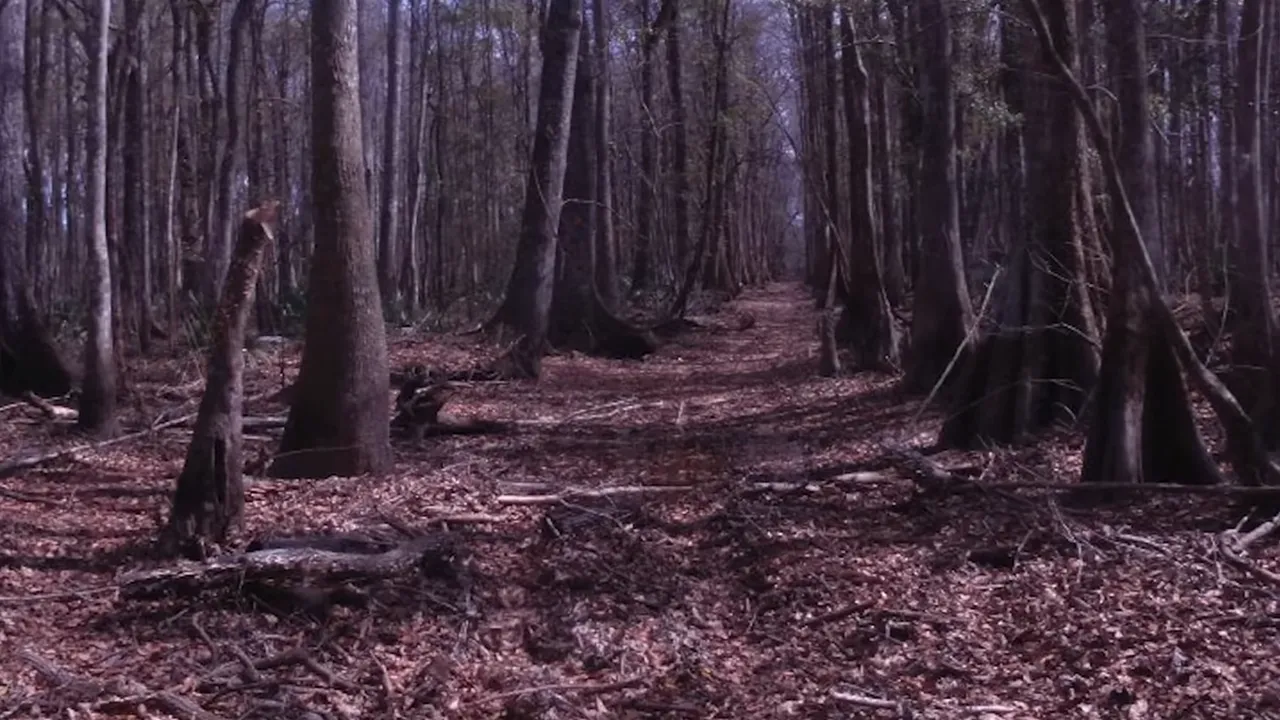
In early December 2022, two hunters at the Portal Hunting Club — a vast 13,000-acre stretch of logging and hunting land near the Bulltown Swamp — set out for deer. Instead of a deer carcass, they found a human torso near Jones Road, not long before sunset. That marked the beginning of a crime scene that would ultimately span a three-mile radius and unravel into one of the most disturbing investigations I've ever followed.
Outline of What You'll Read
- How the remains were found and the scope of the crime scene
- Forensic findings that established cause and timing of death
- Who Mindy was — her life, family, and the life she led with Nick
- The bizarre narrative told by her husband, Nicholas (Nick), and the mysterious figure "Jim McIntyre"
- Physical evidence tying Nick to the scene: GPS, purchases, and blood in the Airbnb
- The lies, name change, and a hidden romance that complicated the case
- How the trial unfolded and the arguments from both sides
- Verdict, sentencing, and the aftermath — lessons this case leaves us
The Discovery: Scattered Remains Across the Woods
The initial discovery was shockingly ordinary. Two hunters retracing the path their dogs took after shooting a deer found a torso lying not far from Jones Road. In a place where you're more likely to find deer remains than human ones, that torso abruptly shifted the routine of the afternoon into a full-scale homicide investigation.
What followed over the next five days felt almost like a macabre scavenger hunt. A right leg was found 2.5 miles away after a hunter noticed a buzzard circling — a grim sign that attracted attention to the remains. A left leg was detected by a search dog. And on December 7 a searcher noticed disturbed soil and exposed roots near a tree; digging revealed the head of a 40-year-old woman. It was the only part of her that had been buried.
Investigators mapped the pieces and the locations carefully. The spatial distribution of the remains told them something: the body had been dismembered and transported in pieces, likely by someone with a plan and the tools to carry it out. Scattered nearby were items investigators would later consider critical to the case.
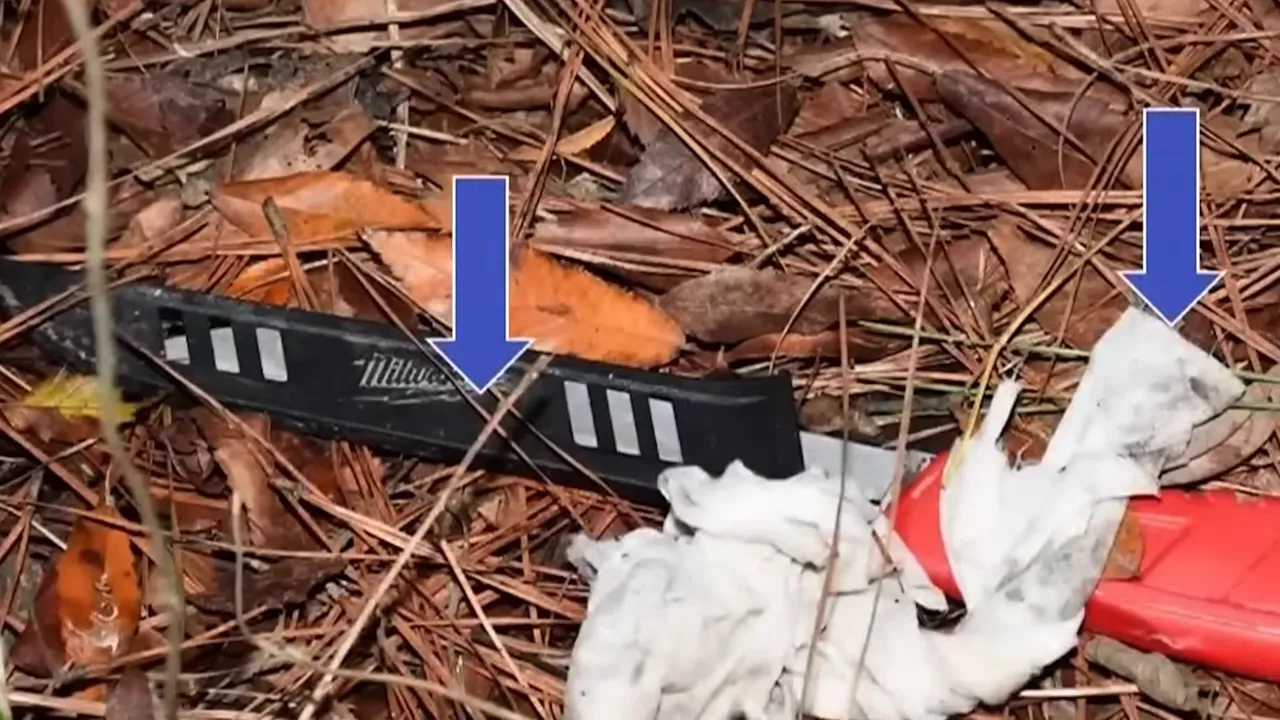
Near the torso site, they found a large black tote, placed upside down on the forest floor. Near it lay a red-handled Milwaukee utility knife and, disturbingly, a number of disinfectant wipes — over a dozen — that appeared to have been used to wipe down surfaces thoroughly. The knife itself did not contain DNA, and it was determined not to be the murder weapon. Inside the tote, however, forensic testing revealed a substance that later tested positive for human blood. Nearby, a second, gray tote was recovered; it too had been wiped clean but contained traces of blood.
What the Forensics Told Us
The physical condition of the remains posed a challenge, but the medical examiner and supporting forensic specialists were able to make definitive conclusions about the manner and timeframe of death. A forensic entomologist dated the death to around November 27, 2022 — just days before hunters alerted authorities on December 2.
The autopsy revealed a brutal pattern of injuries: no fewer than nine traumatic blows to the skull, defensive wounds on the arms, and abdominal injuries. Although the precise tool used to dismember the body could not be conclusively identified, forensic experts believed power tools were likely involved — the kind of implements that can dismember quickly and leave telltale marks under microscopic examination.
These injuries, and the pattern of dismemberment, indicated an act of considerable violence and deliberation. But despite careful testing, investigators initially couldn't identify the victim through fingerprints, dental records, or DNA databases. The case went cold on the identification front for months.
Identifying the Victim: Who Was She?
After extensive genealogical work — an increasingly vital tool in cold and complex cases — investigators finally identified the remains nearly six months later. The woman was Mindy Mabain Kassotis, 40 years old. DNA taken from her mother provided the match confirmation. Her family was devastated; what no one could have imagined was that the facts of her life, her marriage, and the secrets within it would become central to the investigation.

Mindy was the eldest of three children and extremely close to her parents, Betsy and Frank III, and her younger brothers, Frank IV and Matthew. She held a master's degree in public service and had moved from a career as a legal secretary into nonprofit work — driven by a desire to help others. Descriptions of her paint a picture of a bright, curious, and ambitious woman with deep friendships and a loving family.
A Shared Home and the Immediate Aftermath
At the time of her death, Mindy lived in a bungalow in Savannah with her husband Nicholas (Nick) Kassotis and her parents. They had married in the autumn of 2016 and moved into that house after a period living with extended family. The fact that Mindy lived with immediate family members complicated the initial mystery: she wasn't a loner or a transient; she had people around her who would have noticed her absence.
When investigators finally connected the remains in the woods to Mindy, her family said they had thought she had passed away from natural causes. Mindy's parents had been told, by her husband, that she had died from a stroke while being monitored at a hospital after issues with blood pressure. They had also been told, by Nick, that Mindy had been eight months pregnant and was due to give birth in January. The double grief of unexpected loss and the loss of an unborn child intensified their anguish.
The Husband's Account: A Story of Threats, a 'Crema tion,' and a Mystery Man
Nick's account to investigators was strange from the outset. He claimed that, following Thanksgiving weekend in 2022, Mindy had been taken to a birthing center and was later reported dead by a man at a facility in Savannah. He recounted being ushered to a room and told that she had passed away suddenly, perhaps from heart-related causes. He said an autopsy was planned, but later he was told the body had been mistakenly cremated — and that he needed to pay $5,000 in cash to retrieve what he was told were Mindy's ashes.
He met a man in Montgomery to collect the remains he believed to be his wife's ashes. He claimed he spent the money and took the remains to Chesapeake Bay, where he scattered them in a private ceremony. He could not provide the name of the medical facility, the doctor, or the staff involved. He couldn't identify the man who handed over the ashes. There were no certificates, no paperwork: just a narrative that raised more questions than answers.
When pressed about the $5,000, Nick admitted to withdrawing the cash and meeting the man, but he later acknowledged he had not asked for a cremation certificate — a suspicious omission at best. The lack of basic documentation should have set off immediate alarms for anyone who knows how hospitals and medical examiners operate. Yet for months afterwards, Mindy's parents accepted the husband’s word that their daughter had passed away, grieving privately while a murder investigation proceeded quietly in the background.
Claimed Years of Harassment and the Arrival of 'Jim McIntyre'
Nick's most elaborate claim was that, starting in 2017, he and Mindy had been the targets of a campaign of threats, vandalism, mysterious bank withdrawals, and even a violent attack with a baseball bat. According to him, to escape these threats they had been living under the protection of a man they knew as "Jim McIntyre" — a person they believed to be a covert FBI agent who ran a security team that regulated every movement and decision they made for years.
"He would message me daily and I would respond... His number would change, and then I would just switch to the new number."
Nick testified that Jim told them when to move, where to stay, and how to behave — effectively controlling their lives. Under that explanation, many of their unusual behaviors — the constant relocating, the lack of formal employment, and the secrecy — were described by Nick as survival choices. He told investigators that Jim even orchestrated payments, accommodations, and security arrangements.
Red Flags and the Surveillance That Placed Nick at Key Sites
Even though the hunting grounds were remote and had limited camera coverage, one fixed camera at a water pump station near the torso site captured footage on November 29, 2022, of a 2022 Ford Explorer — the same make and model Nick owned — traveling past the station at around noon. The vehicle traveled in both directions that day. GPS data from Nick's phone and other digital footprints later showed him in the vicinity for about two hours, with stops that matched the locations where remains and other evidence were later recovered.
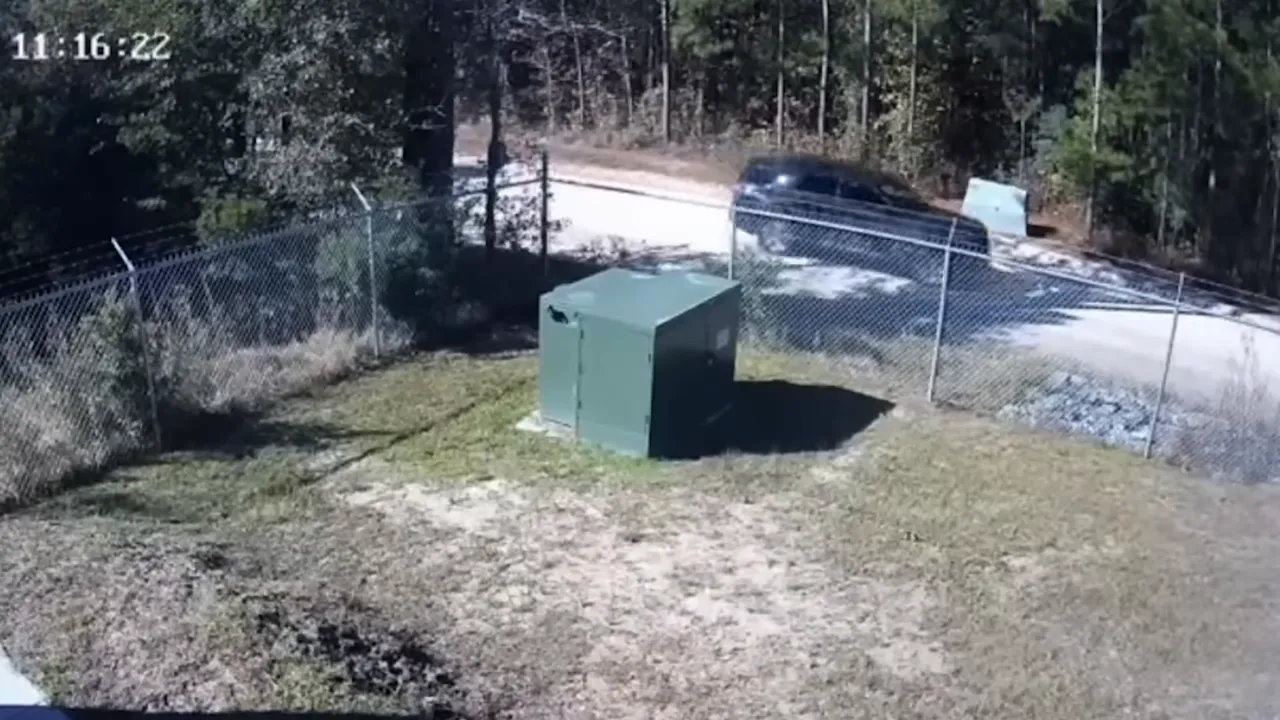
That GPS and camera evidence became crucial. Nick claimed he had been following orders from his security team and had been directed to deliver several large plastic totes — which he said contained personal belongings — to specified GPS coordinates. He told investigators a red-headed man had met him at the drop-off point and told him he would handle the totes. He also said he had been told to switch off his phone during this delivery, which he did for roughly two hours. Even so, his vehicle continued to be located by other means.
Purchases That Matched Items Found at the Scene
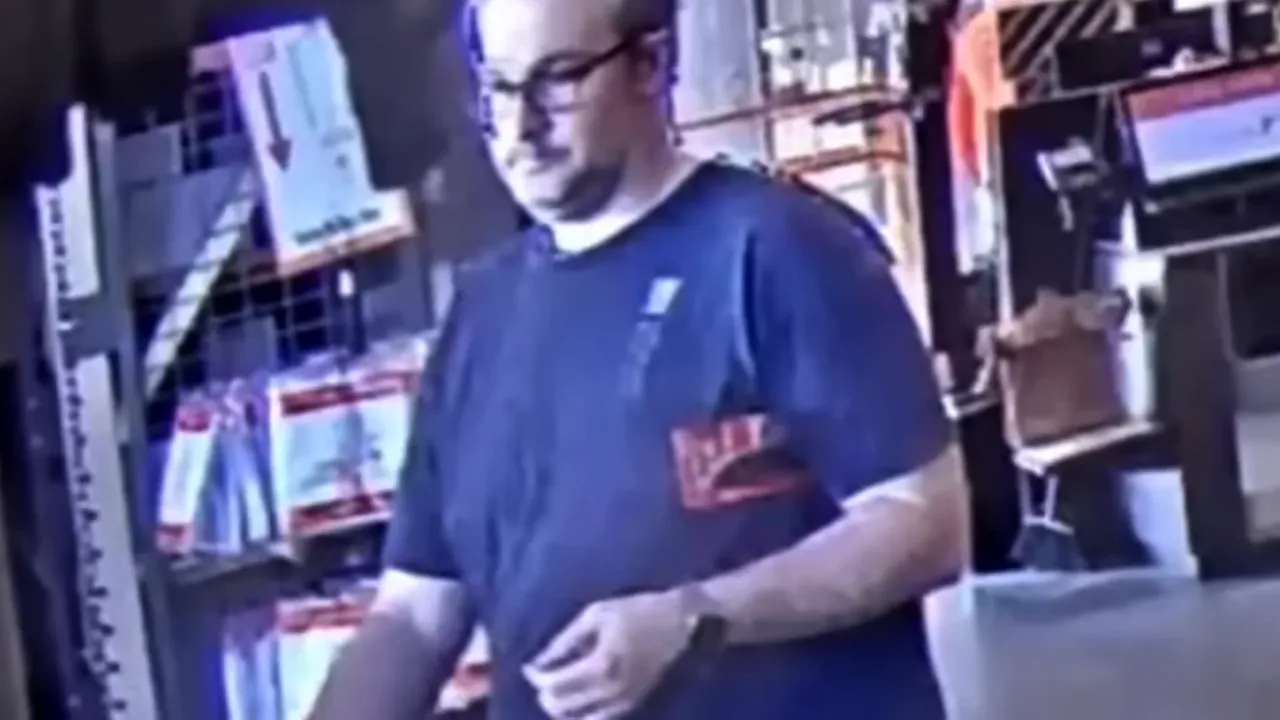
Digital receipts and surveillance footage placed Nick at a Home Depot on the day in question, where he purchased a red-handled Milwaukee utility knife — remarkably similar to the knife found near one of the totes at the torso site. He had also purchased a shovel earlier in the month. Forensic tests later revealed that the utility knife found at the site did not carry DNA and wasn't the murder weapon, but the coincidence of the purchase and the presence of the knife near the scene raised serious concerns.
Investigators also discovered that a seven-piece deer processing kit purchased at a Bass Pro shop by Nick matched, in key ways, instruments that could have been used to dismember a body. A forensic expert could not eliminate that kit as a possible source of tools used on Mindy's remains — a chilling connection, given the nature of the injuries and the wooded locations where the parts were discarded.
The Airbnb: Blood on the Futon and the Break in the Story
Forensics extended beyond the woods. The short-term rental where Mindy had spent her last days was examined and tested with luminol, which revealed cleaned areas on the floors and faint chemical reactions on the walls. The futon mattress, however, showed an obvious and large bloodstain that absorbs into the mattress itself. DNA confirmed the blood belonged to Mindy.
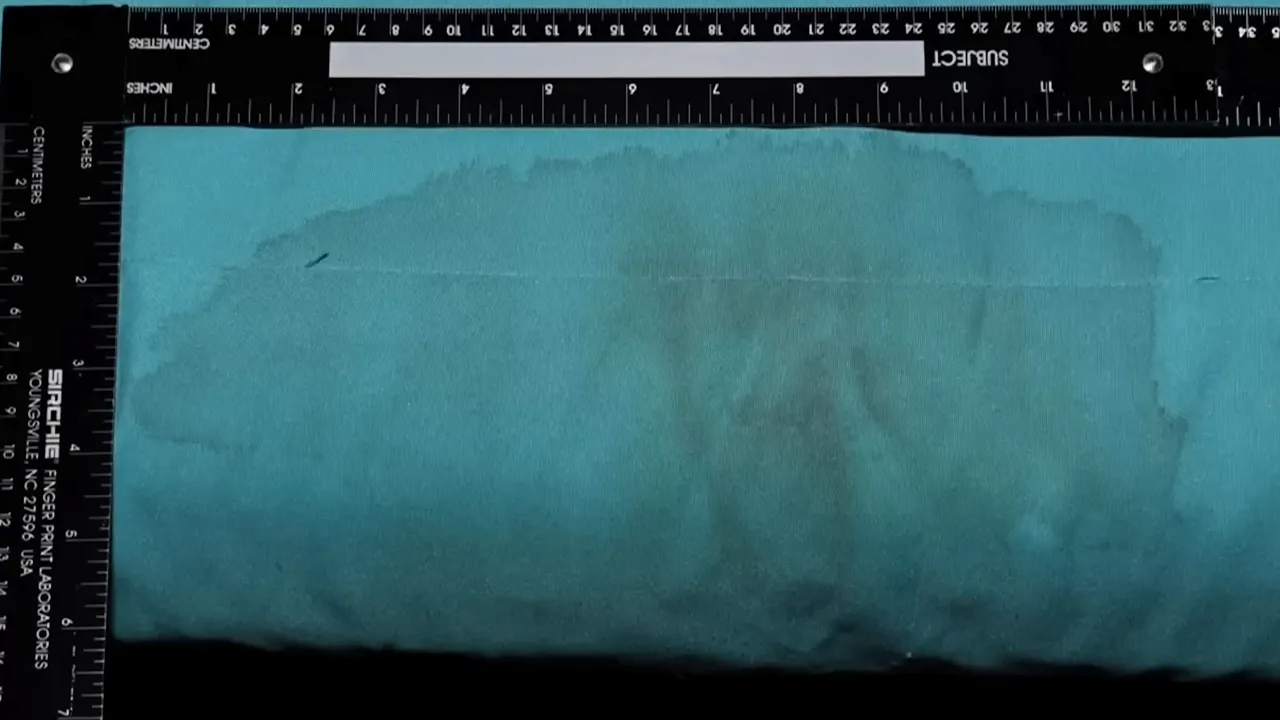
Analyzing the placement of the stain in relation to the futon frame suggested that Mindy had been seated when the fatal blows were inflicted — consistent with the medical examiner's findings of multiple blows to the skull. This evidence contradicted Nick's narrative of being told his wife had died in a hospital and that he had been unable to see her body: the blood in the Airbnb linked the scene of the fatal assault to a residential location where he said she had last been.
Lost Electronics, a Burning Vehicle, and a Missing Check
Nick claimed two additional misfortunes after Mindy's death: a theft and a mysterious car fire. First, he alleged a person broke into his vehicle and stole a backpack containing two laptops and a phone — devices that might have contained the only real digital record verifying his story about Jim McIntyre. Then, in March 2023, his newly purchased Ford Explorer reportedly began smoking while he was driving, then suddenly burst into flames. Nick claimed minor burns and said that among the items destroyed in the inferno were a GPS device and a cashier's check for roughly $860,000 intended for a house purchase.

For someone who claimed to be meticulous and well-connected, the lack of any recovered receipts, photos, or documentation from these incidents was conspicuous. Investigators were skeptical about convenient losses that eliminated digital or paper trails. When electronic evidence disappears, so does the ability to corroborate — and that often ends up hurting a defense more than helping it.
The Jim McIntyre Narrative: Control, Isolation, and Conspiracy
The "Jim McIntyre" story is perhaps the most jaw-dropping element of this case. Nick described Jim as a figure with connections to the FBI, a major investor in a company called APIS Limited, and the person who essentially controlled their lives by dictating moves, finances, and communication. For years, Nick said, they followed Jim's orders — partially out of fear and partially because they'd been convinced he was protecting them from real and present threats.
"He wanted full access to our lives. He said, keep us safe."
Nick alleged Jim orchestrated payments for rentals, disguised their identities, and even convinced him of fantastical things — including that his own father might not be his biological parent. Jim, according to Nick, facilitated a life of secrecy so complete that Nick stopped verifying critical facts: he never got a death certificate; he didn't insist on hospital documents; he took verbal assurances from strangers as gospel.
Over time, however, cracks began to appear in this story. Nick testified that at some point he was told Jim wasn’t actually an FBI agent and that he had been a majority investor in APIS Limited — the same company Nick claimed to have worked for on top-secret projects. He explained his supposed wealth to the courts during his divorce from his first wife: he claimed to have been paid in stock options worth $32 million that had been put into a trust managed by Jim. That story, too, would be heavily scrutinized by prosecutors and by Nick's ex-wife during trial testimony.
How the 'McIntyre' Story Explained So Much — and Raised New Questions
If you accept, even temporarily, the idea that an authoritative figure guided a married couple into isolation and obedience, many behaviors that otherwise look suspicious suddenly fit into a darker, coherent narrative: frequent moves, the relinquishing of control over finances, the insistence on secrecy, and the refusal to provide basic documents to family members all could be viewed as the byproduct of an abusive dynamic orchestrated by a manipulator.
But the prosecution argued that "Jim McIntyre" was a fiction that Nick invented and cultivated to justify his own lies and to create a scapegoat. They described Nick as someone who lived in a constructed world of half-truths and fabrications that eventually helped him rationalize or conceal his violent actions.
Deception, a Name Change, and a Hidden Romance
After Mindy's death, within months, Nick changed his name to Nicholas Killian James Stark, married a woman named Samantha Kolsnick — a dark fiction writer he had messaged online in September 2022 — and moved to Pennsylvania. He had told Samantha that his wife had died years earlier, and he failed to tell her that Mindy was not his first wife. He sent Samantha doctored documents, including a photoshopped Georgia driver's license with the new surname and a fraudulent employment letter from APIS Limited.
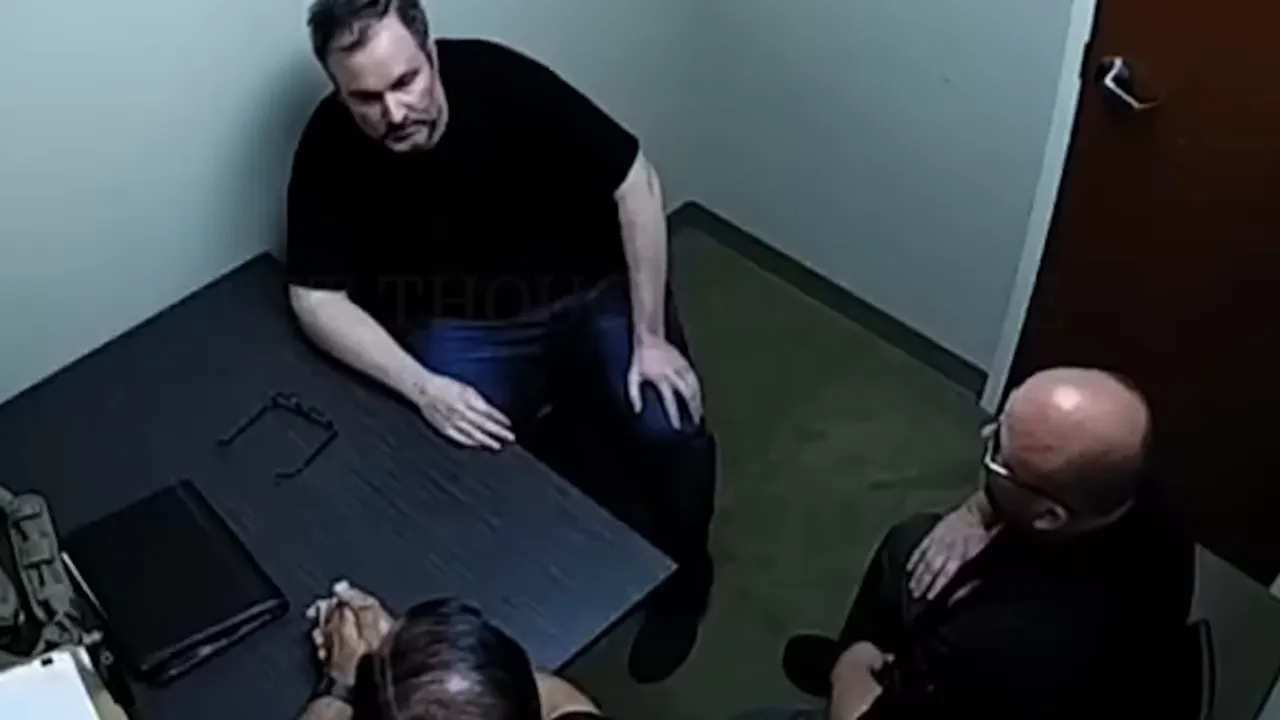
Samantha testified at trial that she felt manipulated. She’d fallen for the online persona Nick crafted — a story-driven man who loved true crime, creative writing, and claimed extraordinary experiences. They became engaged in February and married in April 2023, just months after Mindy was murdered. After discovering the truth about Mindy's death, Samantha had the marriage annulled.
That relationship raised difficult questions: was Nick attempting to start over, to bury the past, or to continue telling fabricated stories that could be molded into whatever narrative served him in the moment? The photoshopped documents were used by the prosecution to argue purposeful deceit.
The Trial: Contrasting Realities in the Courtroom
In August 2025, after indictments and months of investigation, Nick — by then going by Nicholas Stark — stood trial in Georgia on multiple counts, including malice murder and felony murder. The case that played out was a careful dissection of both the physical evidence and the narratives Nick had relied upon for years.
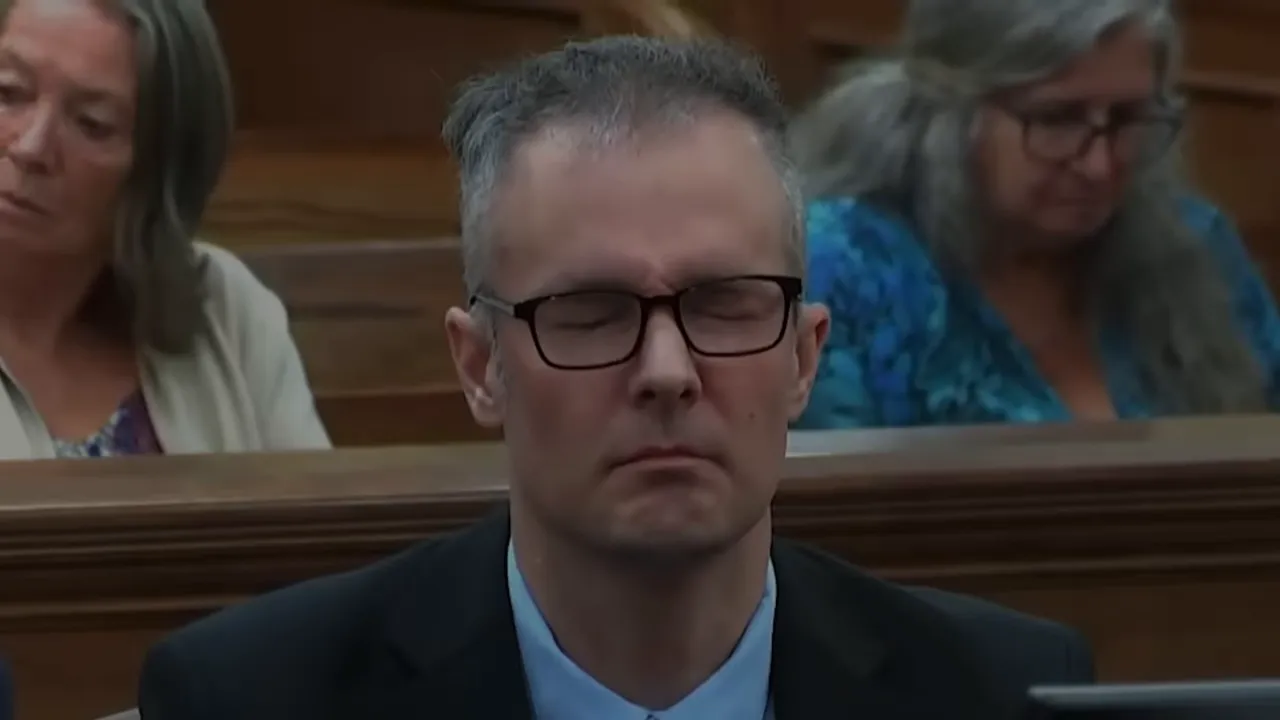
Counsel for the defense painted Nick as a man terrorized by threats, living day-to-day in fear, doing what an authoritative protector told him to do in order to survive. They argued he was not the kind of person who could do this to Mindy — he was a decorated JAG officer, a veteran, and someone who had devoted years to legal service. His defense counsel emphasized that the couple had been told to disappear, and that meant behavior which, out of context, looked suspicious.
The prosecution, however, framed a very different picture. They portrayed Nick as a habitual liar — someone who preferred fabrication to truth and who had built a bed of lies around himself: fake wealth, fake credentials, and fake stories. Their theory was direct: Nick killed Mindy after discovering she was not pregnant despite telling him and others that she was eight months along. The injury to her abdomen, they argued, was consistent with an attempt to strike at what he believed was the unborn child; the head wounds were the fatal violence. The act of dismemberment and the way he disposed of the body were calculated attempts to erase the evidence.
Cross-Examination: Documents That Never Existed
One of the damning themes during cross-examination was Nick's failure to secure or produce even the most basic supporting documents for his claims. As a former JAG officer and lawyer, he was expected to understand the importance of records. Yet he claimed he never received a death certificate, never obtained hospital names or staff contact information, and had not subpoenaed records from the phantom APIS Limited or sought to independently verify the existence of "Jim McIntyre."
"You know what a subpoena is as an attorney, right, sir?" "I do, ma'am."
These moments were powerful in court. The prosecution asked why, if Nick truly believed he had lost his wife and that a dangerous conspiracy was real, he had not taken simple steps to verify — or to retain evidence that would prove his own story. Their answer: because his story was fabricated and because he had no evidence to back up the extraordinary claims he made in his favor.
Key Witnesses: Family, Friends, and the Victim's Circle
Mindy's mother, Betsy, described the genuine fear her daughter had lived with for years. According to her testimony, Mindy was afraid to leave the house and had not been working because of the threats allegedly made against the couple. That sentiment gave the defense a touchstone: Mindy did seem afraid, and that fear explained the seclusion and the unusual living arrangements.
But close friends and Mindy’s social circle offered a more nuanced portrait. Her friend Morgan Paddock delivered a heartfelt impact statement at sentencing, describing Mindy as vibrant, empathetic, and loving — a person who had been stripped of life and, according to Morgan, of the chance to fulfil the kind of future she had expected. Morgan also painted a picture of a relationship where Mindy had been progressively isolated, losing friends and opportunities as Nick tightened control.
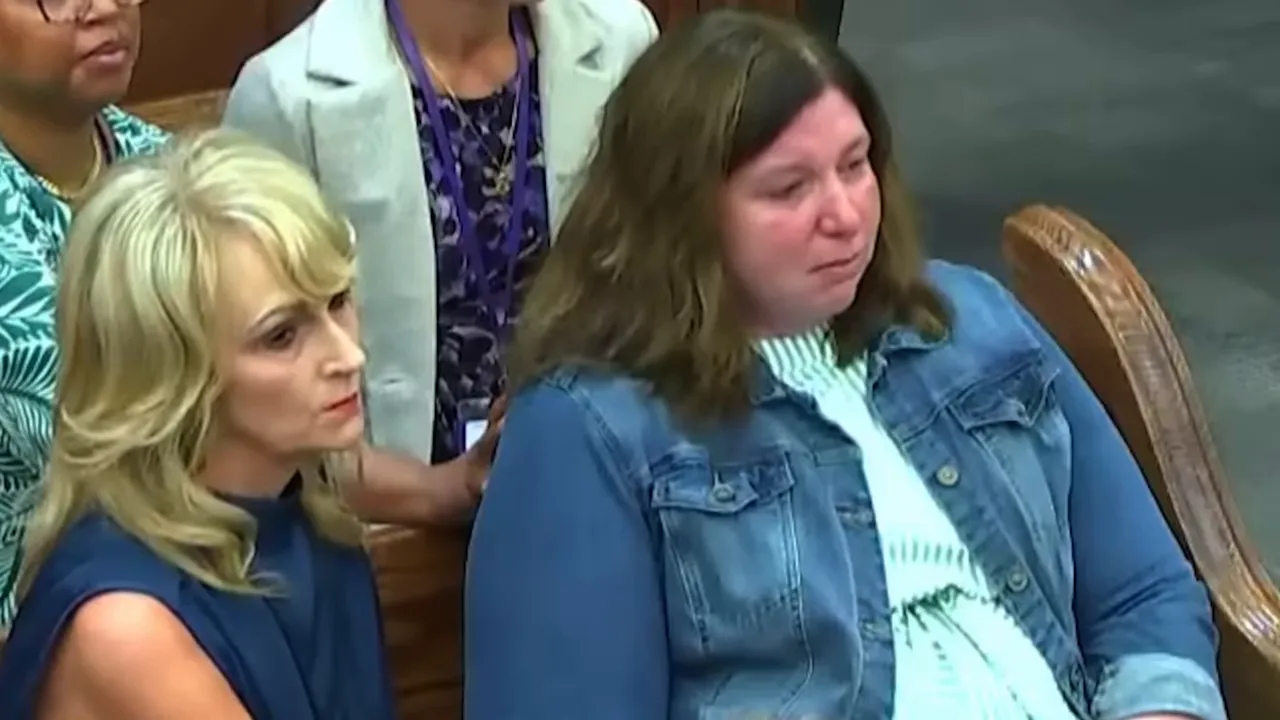
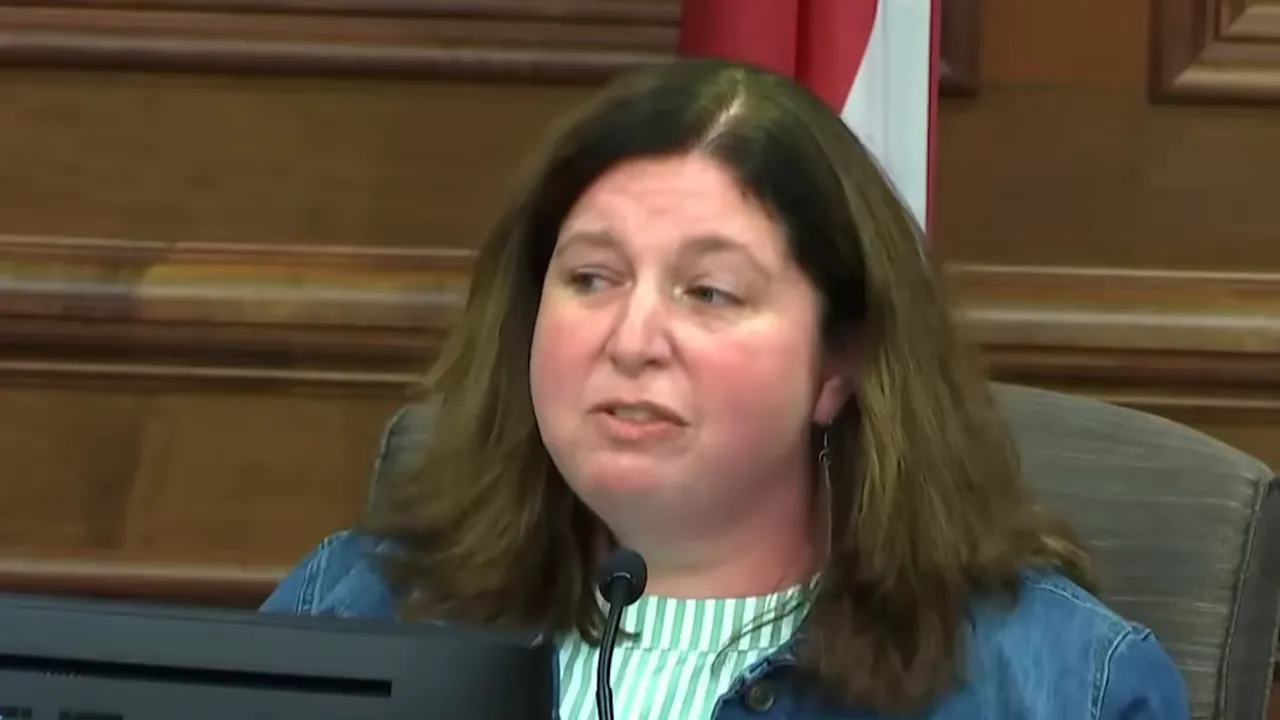
Nick’s first wife, Heather, testified about the divorce settlement and the remarkable $32 million claim. She described how Nick testified under oath he had millions, but she could not find any bank statements to corroborate the claim. She described protracted efforts to collect the $1.5 million judgment she had been awarded — efforts that came to nothing. Banks, when presented with the documentation Nick had produced, reported no records of the funds he claimed existed.
Prosecution's Narrative: Motive, Means, and Opportunity
The prosecution's case hinged on motive — the idea that Nick wanted children desperately and believed Mindy had lied to him about being pregnant. That, combined with evidence of purchase patterns (shovel, knives), GPS data placing him at or near the locations where parts were later found, and the blood in the Airbnb, formed a mosaic that the prosecution argued pointed directly to Nick.
"He wanted kids and he found out Mindy wasn't pregnant... he found out she wasn't. Then there's the abdominal wounds... that's why you stab her in the belly."
They also highlighted Nick's pattern of deception and the disappearance of electronic evidence and documents as convenient avenues to explain away incriminating ties to the scene. When physical evidence — like the Milford kits and the blood-soaked futon — was combined with behavioral evidence, the prosecution asked the jury to connect the dots.
Defense Strategy: Fear, Manipulation, and the Reality of Abuse
The defense's central argument attempted to humanize Nick as a man living under an elaborate, convincing manipulation. They suggested that if Jim McIntyre existed in any form — whether as a real FBI agent or as a manipulative operator running a sophisticated con — then many of Nick's actions (and defensible failures to verify) were the result of control, not malice. They argued he believed he was living in genuine danger; so he followed instructions.
The defense also pointed to the couple's history of being victims of vandalism, threats, and odd banking activity starting in 2017. Those incidents, they argued, established that their fear-based lifestyle was not a fiction but a response to threats they perceived as real.
Verdict and Sentencing
After careful deliberation that lasted a little over an hour, the jury returned a verdict: guilty on malice murder and felony murder charges. In August 2025, the court sentenced Nicholas (also known at different times as Nick Cassotis and Nicholas Stark) to life imprisonment without the possibility of parole, plus an additional 25 years.
The sentencing included statements from several people whose testimonies captured the emotional weight of the case: the victim’s friends, who described Mindy’s warmth and the loss of a life; Nick’s parents, who still proclaimed their son’s innocence; and the judge, who considered the brutality of the crime and the need for justice.
Nick's Parents: A Plea of Innocence
Nick's estranged parents rose in his defense at sentencing, insisting the man they knew could not commit such a violent act. Their statement read like the heartfelt testimony of parents in denial: they described their son as kind, gentle, and incapable of murder. This testimony underlined the human tragedy underlying the courtroom drama — a son lost to a system that now judged him guilty.
What This Case Teaches Us
There are several lessons — legal, social, and psychological — that this case leaves behind.
1. The Power of Narrative
Humans are storytellers, and stories give shape to chaos. Nick's life — whether manipulated by an outside actor or self-constructed — illustrates how a persuasive narrative can restructure a person's world. When a story is repeated enough, it can replace reality for both the teller and the listeners. This case shows how dangerous a story can become if it justifies secrecy, isolation, and the suspension of ordinary verification.
2. The Limits of Documentation and the Importance of Corroboration
Nick’s failure to secure basic documents — hospital names, death certificates, receipts — undermined his credibility profoundly. For anyone in a situation of crisis or complexity, documentation is not merely bureaucratic; it’s a lifeline that anchors claims to verifiable facts. Professionals with legal training should especially understand how essential that evidence is, and the absence of it is a meaningful clue in any investigation.
3. Forensics Don't Lie — But They Need Context
Forensic evidence — blood traces, DNA matches, entomological timing, and toolmark analysis — provided the backbone of the prosecution's case. The futon stain, the blood in totes, the timing of death, and the nature of the wounds all contributed crucial context that an individual narrative could not erase. Yet, forensics also rely on careful chain-of-custody, corroboration, and interpretation; they must be integrated into a broader story to provide justice.
4. Isolation as a Control Mechanism
Whether the isolation was due to genuine threats or to a manipulative figure's influence, the net result was the same: Mindy was cut off from the people and institutions that might have protected her. Isolation is often a hallmark of abusive dynamics, and it can be orchestrated through fear, lies, and the slow erosion of external ties.
Unanswered Questions and the Ongoing Impact
Even with a guilty verdict and sentencing, the case leaves open many questions. Was there ever a real "Jim McIntyre," or was he a fabrication? If Jim existed, who was he, and how did he exert influence? What happened in the days immediately before Mindy's death? How much of the story was calculated misdirection and how much was sincere belief driven by cynicism and fear? Those questions shape the heartbreak of the family and haunt anyone who studies the case.
Mindy’s life — her degrees, her kindness, her love for family and friends — was reduced to a set of grim facts for investigators and jurors, but for those who knew her, the loss remains a human tragedy beyond legal resolution. Her friends testified that she was more than the violence inflicted upon her. She had talents, relationships, and plans that will never be fulfilled.
Final Thoughts: Truth, Accountability, and Memory
This case is a sobering reminder of how the human impulse to protect narratives — whether of safety or of self — can distort reality. It shows us the paths deception can carve into daily life, and the way those deceptions can either be weaponized or used as a cloak to hide violent actions.
As the author of the original documentary and someone who has followed this story closely, I feel compelled to emphasize the role of both community and evidence in seeking truth. Mindy’s family and friends were devastated by both the loss of her and the manipulations they were subjected to. Justice, in this instance, required not just emotions and testimonials but rigorous forensic science, digital data, and the painstaking work of investigators who tied seemingly disparate threads together.
We must continue to honor Mindy by remembering her complexity: not as a case file, but as a daughter, sister, friend, and professional whose life was violently ended. The courtroom verdict provided legal closure, but the human wounds remain.
Where to Learn More and What to Watch
If you're interested in the deeper procedural aspects of how investigators used genealogical methods to identify remains, or how digital forensics and GPS data are mutually reinforcing in modern investigations, there are excellent resources and case studies in forensic literature and law enforcement publications. I encourage readers to follow reputable sources and to be mindful of the limits of social media narratives, which can oversimplify and sensationalize complex cases.
As always, I want to thank the many professionals — law enforcement, forensic scientists, prosecutors, community members, and most of all, Mindy’s friends and family — who contributed to revealing the truth and pursuing justice.
Acknowledgments
Special thanks to the viewers and members of the Just Thought Lounge community for supporting investigative storytelling and for engaging with difficult true crime narratives with empathy and curiosity.
Closing
Cases like Mindy's force us to confront uncomfortable questions about credibility, power, and the way grief intersects with secrecy. They push us to demand documentation, to ask hard questions, and to remember that behind every case file is a human life. Thank you for reading and for taking the time to learn Mindy's story.



 Posts
Posts


0 Comments