
Trigger warning: this article covers graphic violence, domestic abuse, and homicide. Reader discretion is advised.
In this long-form investigation I walk you through the events, evidence, and aftermath of a case that shocked a small Illinois community and captured national attention. The original piece that inspired this article was produced by The Decoder; here I expand on the facts, the timeline, witness accounts, and the lessons the tragedy later forced on family, investigators, and neighbors. My aim is to present a careful, chronological account that honors the victim, explains the investigative steps, and highlights what this case reveals about domestic violence and mental health systems.
Table of Contents
- Overview: what happened in Alton, Illinois
- Who was Lisa Dodd?
- Relationship background: the pattern of abuse
- The night before: a short timeline leading up to the murder
- What neighbors heard and saw: the witness accounts
- Critical evidence: CCTV, the dumpster, and discarded items
- DeAndre’s movements in the hours after the killing
- Arrest, interrogation, and the question of competency
- Charges, legal developments, and sentencing
- Family reactions, public statements, and the human cost
- What the case teaches us about domestic violence and warning signs
- Mental health, system failures, and prevention
- Investigative techniques showcased in the case
- The courtroom and the sentence: closure and its limits
- How the community responded
- Poem and memory: the last social media post that resonates
- Practical lessons and resources
- FAQ
- Closing reflections
Overview: what happened in Alton, Illinois
On the night of June 8 into the early hours of June 9, 2022, 22-year-old Lisa (sometimes written as Liese in other sources) Dodd was brutally murdered in an apartment in Alton, Madison County, Illinois. Lisa was eight months pregnant. The following morning her body was discovered inside her apartment; her head had been removed. Later that same day surveillance footage and a construction worker’s discovery at a nearby dumpster produced further horrifying evidence: items and clothing, including a laundry basket, were discarded beside construction debris — and investigations later confirmed the laundry basket contained the victim’s head.
The primary suspect, Lisa’s on-again, off-again boyfriend, 22-year-old DeAndre Holloway, was captured on CCTV carrying a white laundry basket near midnight. He was later arrested in possession of cannabis in another town and ultimately charged with multiple counts related to Lisa’s death and the death of her unborn child. The case unfolded quickly in public view, but it forced investigators, the courts, and the community to confront hard questions about domestic violence, mental health, and a criminal justice system balancing competency, accountability, and the rights of victims.
Who was Lisa Dodd?
Lisa Dodd was born on August 14, 1999, in Alton, a small city across the Mississippi River from St. Louis. Those who knew her described a young woman who loved animals, volunteered for causes, and worked to support herself and prepare for the future. She graduated from Jersey Community High School in 2017 and worked at Dairy Queen, where customers remember her as outgoing and polite. Friends and family described her as bright and giving.
By June 2022 she was eight months pregnant with a daughter the family affectionately called “Baby Bean.” Plans were underway: invitations had been sent for a baby shower, and the family was gathering items for the new arrival. She had expressed dreams of entering the medical field, inspired in part by her mother’s work. Within this context, the sudden and violent ending of her life felt especially cruel — an impending motherhood cut short.

Relationship background: the pattern of abuse
Lisa had been in an on-again-off-again relationship with DeAndre for nearly two years. Multiple witnesses, co-workers, and family members later described a volatile partnership marked by recurring fights, physical violence, and threats. Lisa’s employer saw red marks and bruises, and at least once witnessed a physical punch. On one occasion in 2021 she required hospital treatment after an assault that allegedly involved a broken nose and two black eyes.
The pattern of violence included repeated reconciliations. Lisa frequently made excuses for injuries at work at first, attributing bruises to accidents with her dog. Over time she became more open about the frequency of arguments and assault. Co-workers attempted to help — one wrote that she wanted to call police on Lisa’s behalf, but Lisa declined. On social media and in text messages, DeAndre sometimes expressed volatile and overwhelmed emotions, hinting at instability and impulsivity.
- Repeated physical assaults, including at least one hospital visit for a broken nose and black eyes (July 2021)
- Witnesses reported loud fights and physical altercations at their apartment numerous times
- Friends and family received disturbing messages and threats in the months prior to the homicide
The night before: a short timeline leading up to the murder
To understand the crime, it helps to reconstruct what happened in the 24 hours before Lisa’s death. The timeline below is based on CCTV imagery, witness statements, text messages, and the police report that later formed the backbone of the prosecution.
- June 7, evening: DeAndre goes missing according to family concerns. Lisa texts her mother worried that he might have left, and she and family members begin to search.
- June 8, afternoon and evening: Normal routines continue; Lisa is seen on her porch at about 2:00 p.m. She later works her shift at Dairy Queen. By nightfall there is still anxiety about DeAndre’s whereabouts, but an uncle of DeAndre reportedly returns him to the area and tells family all is well.
- June 8, 9:11 p.m.: CCTV shows Lisa arriving in a vehicle that also contains DeAndre. This CCTV image is the last time she is photographed alive (aside from later footage placing both in the apartment).
- Between 9:11 p.m. and roughly 11:57 p.m.: Neighbors hear loud, violent-sounding fighting coming from Lisa and DeAndre’s apartment. Multiple witnesses describe muffled screaming, thuds, and later a series of steady, rhythmic impacts described by one neighbor as sounding like “chopping wood.”
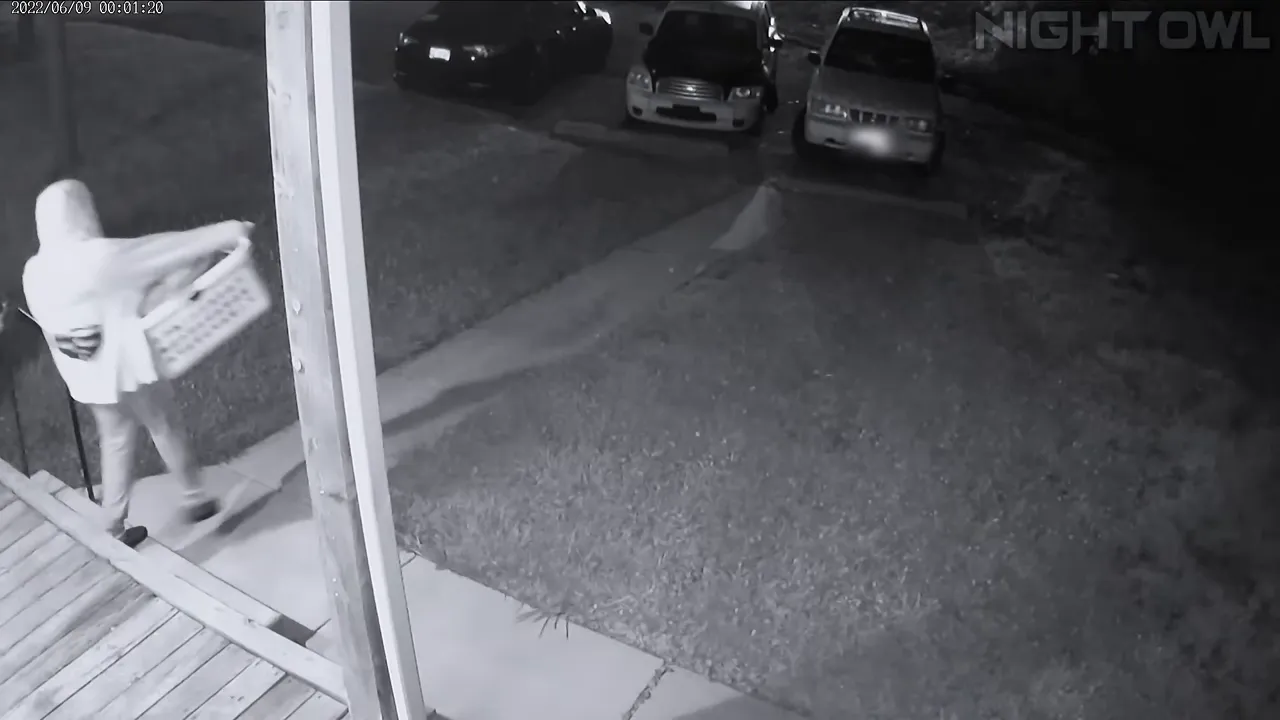
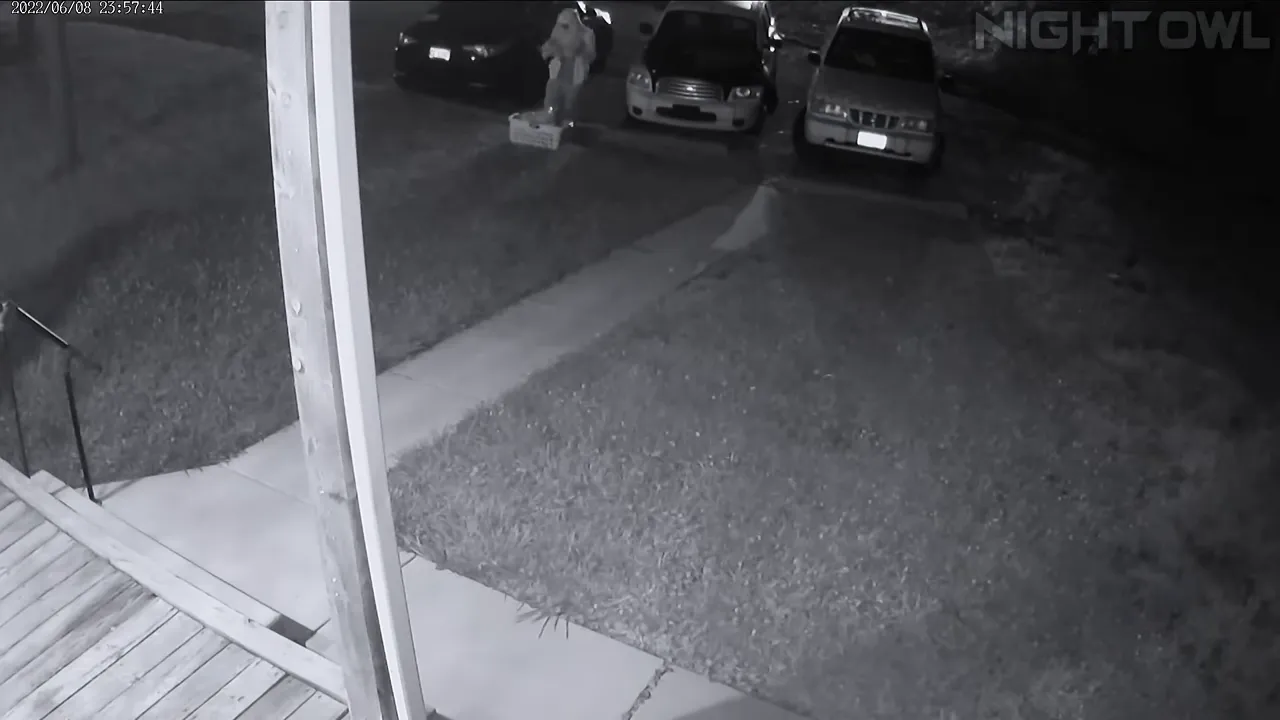
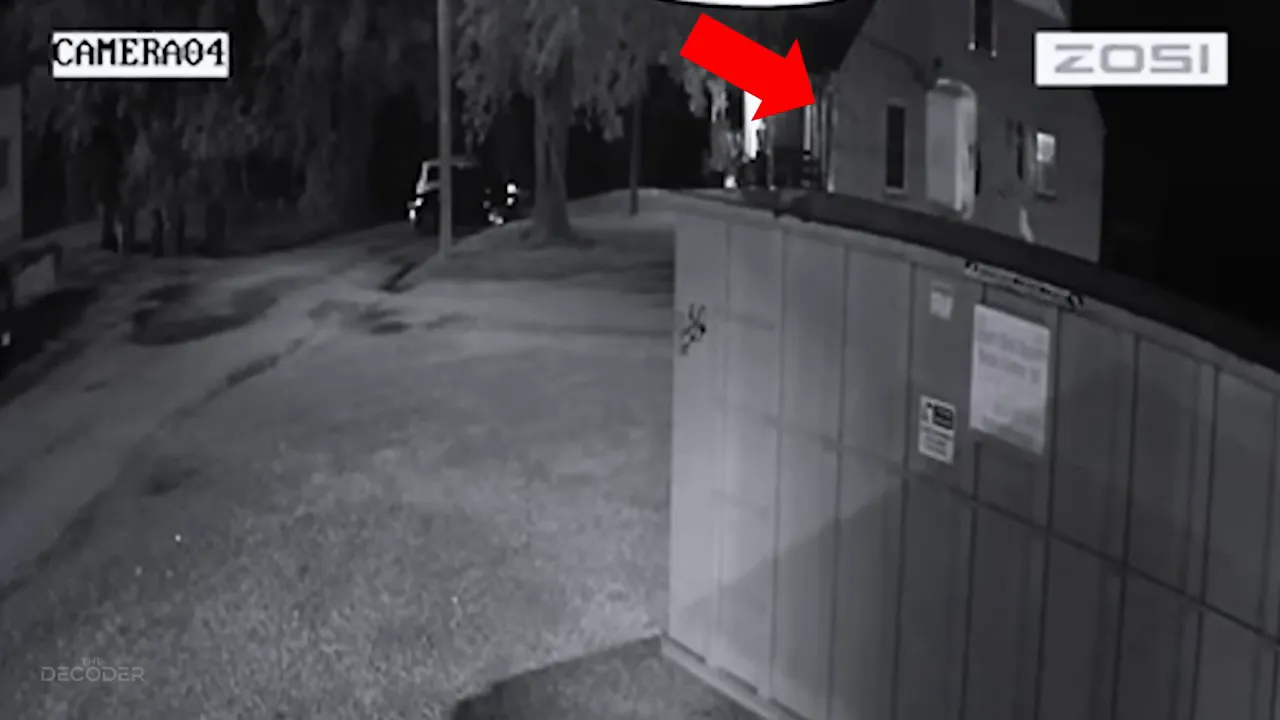
- Shortly before midnight: DeAndre is seen on CCTV leaving the apartment carrying a white laundry basket. He appears to change clothes, cover his face, and returns carrying the basket again. He walks behind a smoke shop toward a dumpster.
- 00:01 a.m. on June 9: CCTV from a local business captures an image of a white laundry basket being thrown into a dumpster, along with some clothing. Later that same morning a construction worker discovers clothing and a knife with blood on it in the dumpster.
- Around 1:00 p.m. on June 9: Lisa’s mother, Heidi, arrives at her daughter’s apartment after failing to reach her. She lets herself in and makes the chilling 911 call when she finds her daughter’s body — her head wrapped in a towel at first glance, but later discovered to be severed.
What neighbors heard and saw: the witness accounts
Neighbors are often the unseen witnesses in crimes that occur inside shared buildings. In this case they provided crucial detail: the soundscape of the violence, the behavior afterwards, and irregular activity that corroborated CCTV evidence.
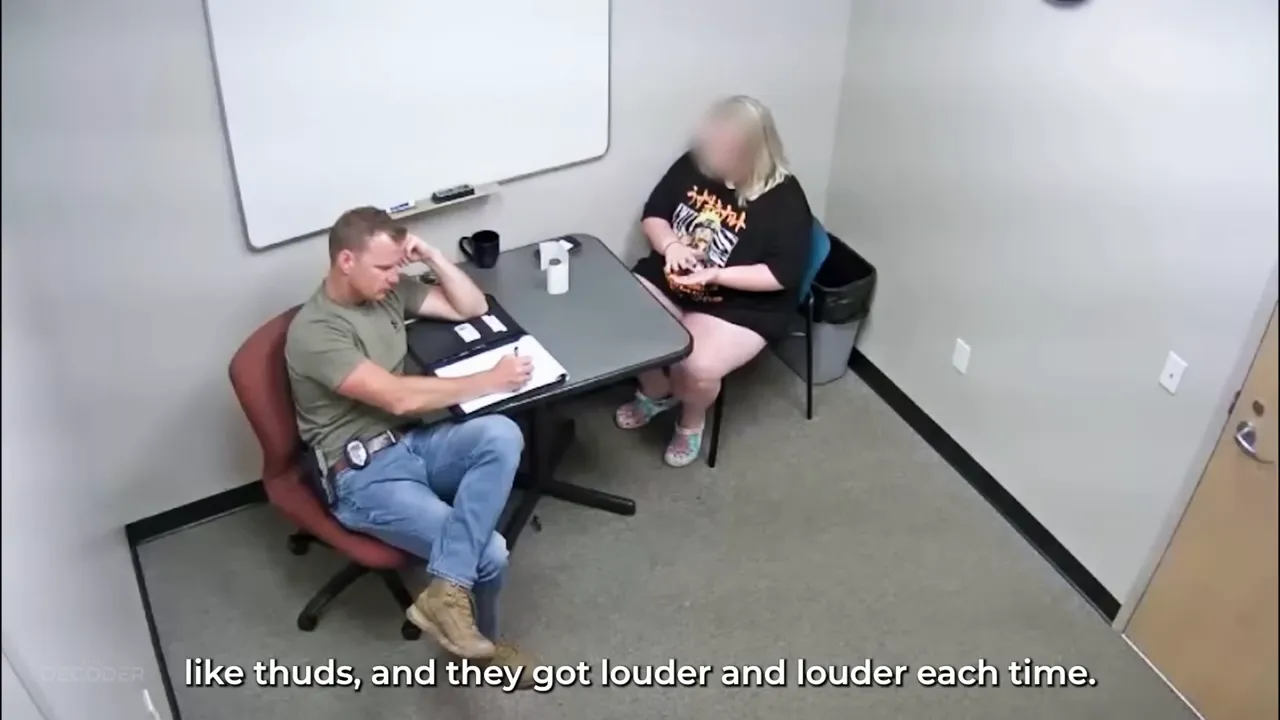
Multiple neighbors recalled hearing muffled fighting in the apartment starting around 9:30 p.m. One neighbor described muffled yelling as if a mouth had been covered to prevent louder screaming. The sounds escalated into intense screaming, then a series of five or six heavy thuds that shook the building. The pattern and frequency of the impacts made one witness visualize chopping — in other words, a steady, forceful, repetitive action.
Those same neighbors walked outside after the disturbance and waited for one of the couple to come downstairs. They saw lights flicker and movement on upper floors but did not see either occupant come down then. Later CCTV showed DeAndre leaving briefly and returning a few times; these brief exits and returns match the neighbors’ sense of intermittent motion upstairs.
Critical evidence: CCTV, the dumpster, and discarded items
Two pieces of physical evidence and their associated footage proved pivotal: the CCTV images capturing DeAndre carrying a white laundry basket and the discovery in a nearby dumpster the following morning.
CCTV showed DeAndre outside the apartment at 11:57 p.m. carrying a white laundry basket. He set the basket down near his vehicle then went back inside; he later re-emerged wearing different shoes and a face covering. Around midnight another camera captured the basket being tossed into a dumpster behind a smoke shop along with clothing.
The next morning, a construction worker cleaning out the dumpster found clothing, a laundry basket, and a serrated knife with blood on the blade. He reported seeing several items that appeared to be female clothing and shoes with blood on them. The construction worker described holding the knife by the handle and noticing blood along the blade. That report, combined with the CCTV footage that placed DeAndre in the vicinity carrying a laundry basket, helped investigators trace the movements between the apartment and the dumpster.
DeAndre’s movements in the hours after the killing
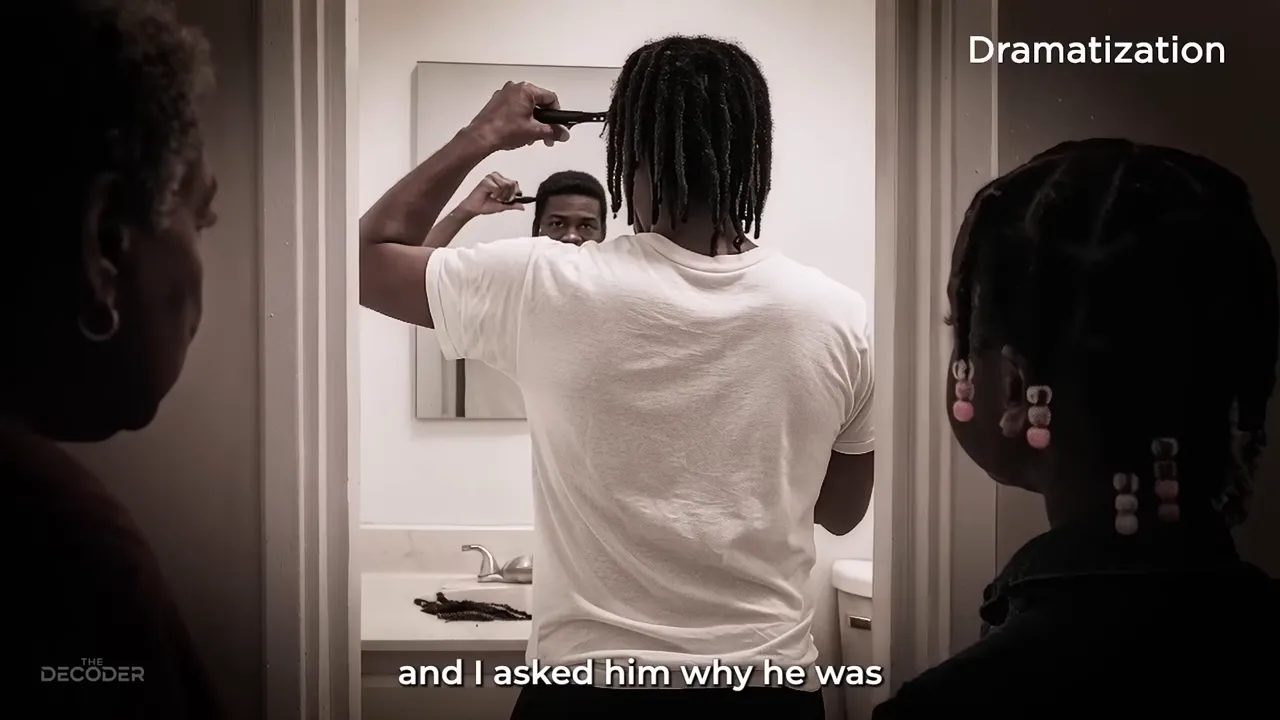
After the dumpster footage, CCTV and witness statements place DeAndre leaving the scene, later arriving at his family’s home in Gillespie in the early morning hours. Family members reported odd behavior: he banged on doors, paced, was visibly nervous, and cut off his dreadlocks. He arrived wearing different clothes and reportedly handed over some of Lisa’s possessions — her debit card, ID, and two keys — to his grandmother, telling her he had found them on the ground.
That behavior — changing clothes, disposing of garments in the trash, handing items to relatives — fits a pattern of attempting to eliminate or transfer evidence. It also revealed a striking cognitive dissonance: DeAndre was sometimes calm, sometimes agitated, and at times paradoxically detached in the days that followed.
Arrest, interrogation, and the question of competency
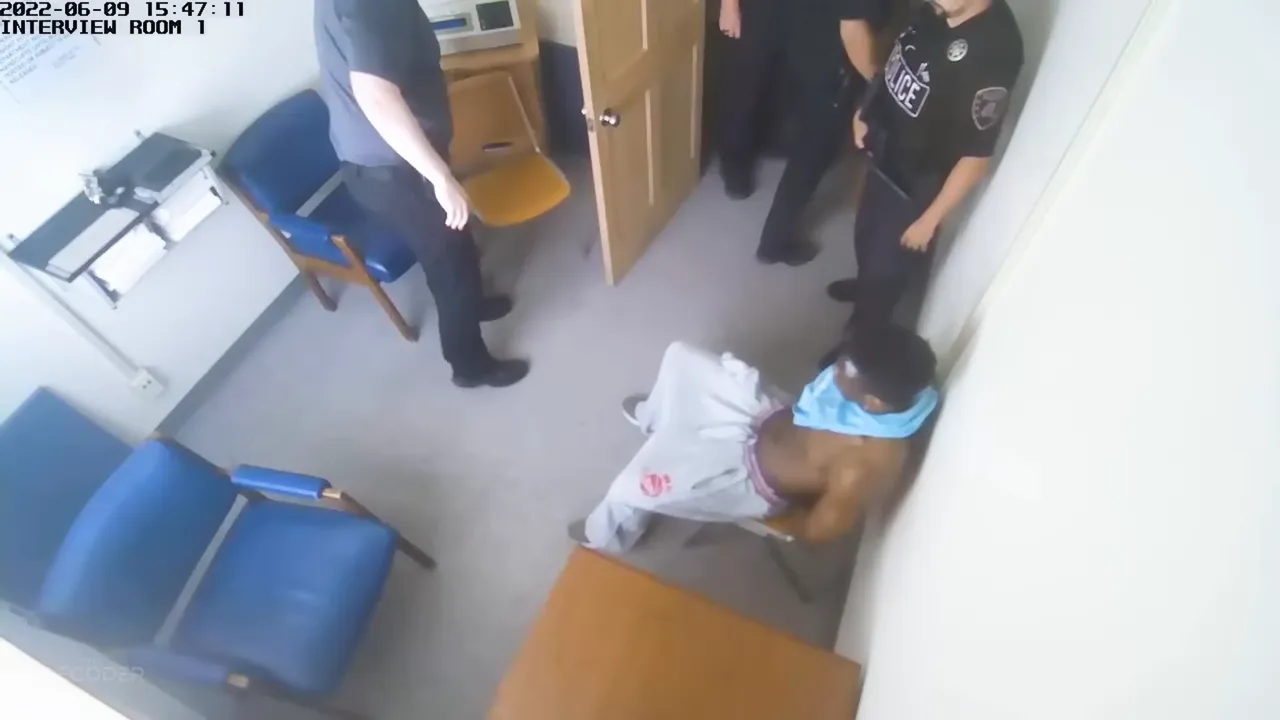
Law enforcement quickly moved to identify and locate DeAndre. A coordinated effort culminated in his arrest in Gillespie, Illinois, after law enforcement there took a John Doe into custody and later identified him as DeAndre Holloway. At the time of that arrest he was in possession of cannabis; his public arrest footage shows agitation, pacing, and repeated questioning of officers. The arresting officers reported erratic behavior including head-banging and laughing uncontrollably in custody; they used force to restrain him at times to prevent self-harm.
Investigators executed search warrants, collected DNA and fingerprint samples, and interviewed DeAndre. In early interviews he refused to provide coherent statements and repeatedly asked for counsel. He said he felt dissociated and referenced a history of being prescribed medication. Those statements, combined with later behaviors in custody, led courts to evaluate his mental fitness to stand trial. DeAndre was found mentally unfit for a period and was sent to a state institution for competency restoration treatment, a process that delayed court proceedings.
Charges, legal developments, and sentencing
On June 13, DeAndre Holloway was formally charged with a series of offenses including:
- Two counts of first-degree murder
- Two counts of intentional homicide of an unborn child (initially charged alongside murder counts)
- Concealment of homicidal death
- Offenses related to motor vehicle use and other ancillary charges
Bond was set at $2 million. The case generated strong emotions within the community and from law enforcement leadership. Investigators and the Alton Police Chief described the crime as beyond reprehensible and emphasized the loss of two lives: Lisa’s and her unborn daughter’s.
Several legal twists followed. The Illinois Supreme Court later ruled that an unborn child could not be considered a separate murder victim for the purpose of seeking a life sentence, a decision that impacted charging strategies and potential sentencing outcomes in cases like this.
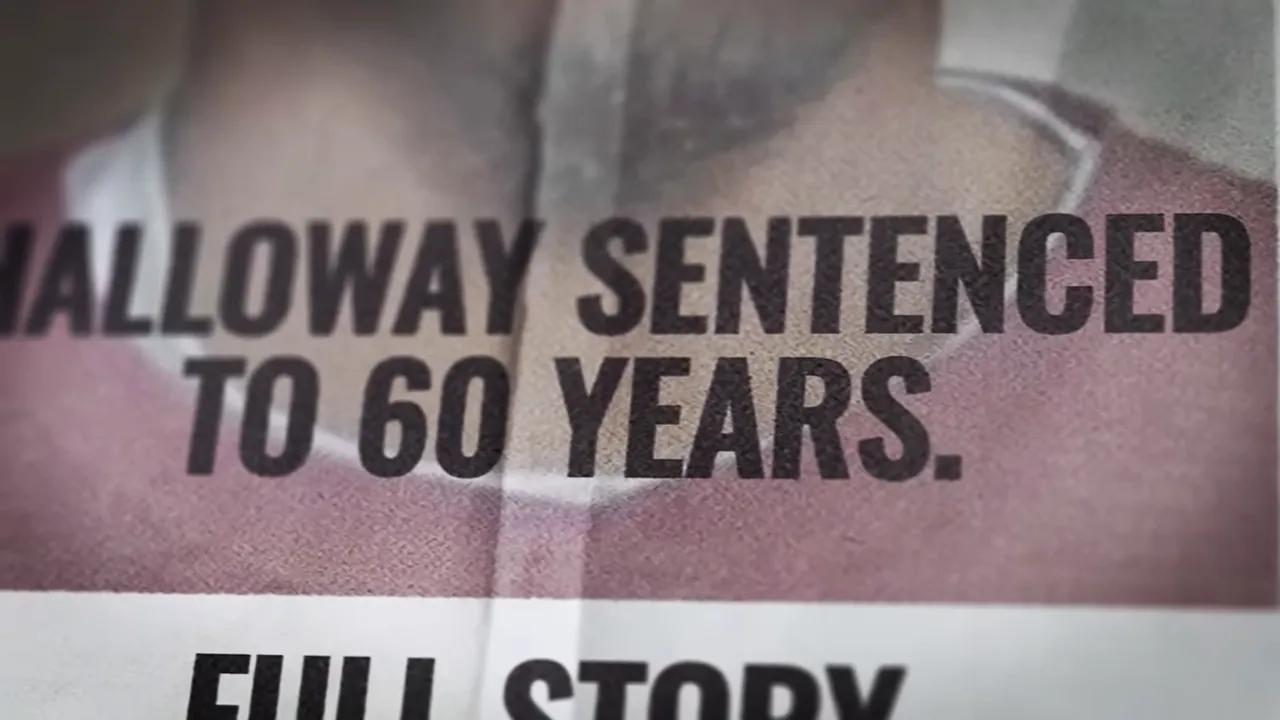
Despite competency delays, the case ultimately resolved with a guilty plea. DeAndre entered a guilty plea in January 2024 (as reported in the case timeline), and on January 17, 2025, he was sentenced to 60 years in prison: 30 years on the murder charge, 20 years for the homicide charge, and 10 years on the concealment charge to be served consecutively. Under that sentence he must serve at least 52 years before becoming eligible for release.
Family reactions, public statements, and the human cost
Public statements from both families illustrated the complexity of emotions surrounding the case.
Lisa’s mother, Heidi, spoke in court after sentencing with palpable grief and a resolute tone. She thanked law enforcement for their work and emphasized that this was the tragic result of a two-year pattern of domestic violence that “didn’t have to end this way.” Heidi used the moment to call on anyone in an abusive relationship to plan a safe exit, to take threats seriously, and to seek help from local or national domestic violence resources. She reiterated that her daughter should be alive today raising her own child — an outcome robbed from the family forever.
DeAndre’s family also spoke publicly, acknowledging that what occurred was monstrous while asking the public to recognize his humanity and struggles. A family member posted a video offering condolences to Lisa’s family and expressing shame and disbelief at his actions. They said they had tried for years to get him help and that they believed his behavior reflected severe mental health problems that the system had failed to treat effectively. Their comments raised the recurring question in criminal cases that intersect with mental illness: how to balance compassion, prevention, and accountability.
What the case teaches us about domestic violence and warning signs
Tragically, this case contains many textbook warning signs of escalating domestic violence:
- Repeated cycles of violence and reconciliation — often called the “cycle of abuse.”
- Visible injuries and attempts to hide or explain them away (first blaming accidents).
- Threats to life and statements indicating intent to harm.
- Isolation and control: the suspect’s shifting of residence, erratic behavior, and a pattern of transient living.
- Escalation in frequency and severity of attacks culminating in lethal violence.
Family members, friends, and co-workers often recognize patterns and express concern. Yet victims may decline offers of help for complex reasons: fear of retaliation, financial dependence, emotional attachment, hope that the partner will change, or concerns about custody and stability. Lisa’s employer, for instance, wanted to call the police but Lisa declined — a painful decision that many abuse survivors make.
If you or someone you know is in an abusive relationship, the safest step is to develop a plan and reach out to professionals: local shelters, law enforcement, and domestic violence hotlines. If you hear threats like “I’m going to kill you” or similar statements, take them seriously and involve authorities. Your life may depend on it.
Mental health, system failures, and prevention
The defense and DeAndre’s family repeatedly invoked mental health as a contributing factor. He exhibited signs of severe distress and dissociation in custody, and he had reportedly been prescribed medication in the past. Family members said they had sought help and had been told the system lacked options for long-term involuntary care unless a person had already committed a crime.
Two broader questions emerge from this case:
- How can health systems better identify and treat individuals with emergent mental health crises before those crises translate into violence?
- How can communities create realistic, accessible support pathways for families who notice dangerous behavior but cannot secure immediate involuntary treatment?
There is no simple answer. Civil liberties and the right to personal autonomy constrain involuntary commitment. Yet families and social service agencies frequently express frustration when there appear to be warning signs but no intervention occurs until tragedy strikes. The tension between protecting public safety and preserving individual rights will continue to drive both legal and policy debates.
Investigative techniques showcased in the case
This case also demonstrates several investigative techniques and investigative advantages in the modern era:
- Broad use of CCTV across neighborhoods provided crucial timestamps and movement tracking that linked the suspect to the disposal location and showed changes in clothing and behavior.
- Rapid execution of search warrants (on June 9) and forensic collection of evidence in the dumpster helped secure physical evidence including clothing and the knife.
- Coordination across jurisdictions — Gillespie police, Alton investigators, and local prosecutors — enabled the quick identification and arrest of a suspect found in another town.
- Forensic interviews, DNA collection, and court-ordered competency evaluations ensured that legal procedures addressed both evidentiary needs and the suspect’s mental health status.
The courtroom and the sentence: closure and its limits
For many survivors and victims’ families, a criminal sentence provides a measure of closure, accountability, and safety assurance that the offender cannot victimize others again. Heidi, Lisa’s mother, expressed gratitude for law enforcement’s efforts and said that although no sentence could undo the crime, the 60-year sentence should protect the community by keeping DeAndre incarcerated for decades.
But a sentence is not restitution. It does not bring Lisa or her unborn child back. It cannot heal the decades of sorrow left behind. What the punishment can do is underscore social condemnation for such acts, and provide a platform for renewed community commitment to domestic violence prevention, better mental health services, and stronger safety planning resources.
How the community responded
Neighbors, local media, and online communities reacted with a mixture of horror, anger, and sorrow. A community fundraiser (a GoFundMe set up by Lisa’s family) raised money that the family pledged to donate to local domestic violence resources and animal shelters — two causes that mattered to Lisa. The fund helped cover burial expenses and has been framed by the family as a way to channel grief into support for others at risk.
Local law enforcement has received public praise for the multi-agency coordination that led to a quick arrest and ultimately to prosecution. At the same time, the case reminded the community that many victims of domestic violence are hidden in plain sight — coworkers, neighbors, and friends who wish they could have done more.
For a community, healing is a long process. Public memorials, statements by family members in court, and local outreach programs are all part of the long-term response when a tragedy of this scale strikes a small town.
Poem and memory: the last social media post that resonates
In the aftermath, friends and family shared memories of Lisa that went beyond the facts of the case. One particularly poignant touchpoint was a poem Lisa had shared on social media prior to her death. It opens with a reflection about the difference between love and possession and becomes a meditation on resilience, dignity, and learning after loss:
"After a while, you learn the subtle difference between holding a hand and chaining a soul..."
"...you learn that kisses aren't contracts and presents aren't promises..."
"...you learn that you really can endure, that you really are strong, and you really do have worth."
For the family, those lines have become both a source of comfort and a reminder of the life that was lost — a life that in the end, like the poem's message, held both hope and a quiet wisdom about the worth of self-protection and independence.
Practical lessons and resources
If this case leaves you with the uncomfortable knowledge that someone you know might be in danger, here are concrete, practical steps to consider:
- Document: Keep written records (dates, times, photographic evidence) of threats and injuries where possible. This information is important for police reports and any restraining orders.
- Plan: Work with a local domestic violence agency to make an exit plan. Even small safety measures — a hidden bag with essential documents, an emergency number, a code word with a friend — can matter.
- Call for help: If you or someone else is in immediate danger, call 911. If you are unsure, contact a local shelter or the National Domestic Violence Hotline in the U.S.: 1−800−799−SAFE (7233) or text START to 88788.
- Mental health support: If the abuser displays severe mental health symptoms, consult local behavioral health resources and, where appropriate, involve authorities or crisis teams that can perform welfare checks and risk assessments.
- Community resources: Support local shelters and hotlines through volunteering, donations, or advocacy. Community-level prevention is a long-term solution that requires funding and public awareness.
FAQ
Who was charged in the murder of Lisa Dodd?
Lisa’s boyfriend, 22-year-old DeAndre Holloway, was arrested and charged in connection with her murder. He was ultimately convicted after entering a guilty plea and was sentenced to 60 years in prison.
When and where did the murder take place?
The murder occurred in Alton, Madison County, Illinois. The timeline indicates the violent events happened during the night of June 8 into the early hours of June 9, 2022, with Lisa’s body discovered on the afternoon of June 9.
What evidence linked the suspect to the crime?
Key evidence included CCTV footage showing a man (later identified as DeAndre) carrying a white laundry basket near midnight, CCTV footage of the basket being thrown into a dumpster, witness statements about loud fighting and rhythmic sounds coming from the apartment, and physical evidence found in the dumpster including clothing and a serrated knife with blood on the blade. Additional corroboration came from family statements about DeAndre’s behavior after the killing and the possession or transfer of some of Lisa’s belongings.
Was the unborn child accounted for in the charges?
Prosecutors originally included charges related to the intentional homicide of an unborn child. However, a subsequent Illinois Supreme Court ruling affected how an unborn child could be considered in sentencing for life terms. Nevertheless, DeAndre was charged and later convicted on counts that reflect the death of Lisa and the fatal injury to her unborn child, and the final sentence included significant consecutive terms.
Was mental illness a factor in the case?
DeAndre’s family and defense raised mental health concerns. He displayed erratic behavior after arrest, reported dissociation, and had a history of prescribed medication. He was found mentally unfit to stand trial at one point and underwent treatment to restore competency. While mental illness was discussed at length, courts still held him criminally accountable after competency was restored and a guilty plea was entered.
What should someone do if they are in a similar domestic situation?
If you are in an abusive situation, seek confidential help from local domestic violence organizations, prepare a safety plan, and reach out to trusted friends or family. If immediate danger exists, call 911. In the United States, the National Domestic Violence Hotline (1−800−799−7233) and the text line (text START to 88788) are available. Local shelters and advocates can also provide practical support and help with orders of protection.
What happened to the suspect after sentencing?
DeAndre Holloway was sentenced to 60 years in prison on January 17, 2025. The sentence included consecutive terms for different counts, and under the terms he will be required to serve a substantial portion of that sentence (at least 52 years) before being eligible for release. He is incarcerated and the family of the victim has said donations made in Lisa’s memory will be directed to domestic violence resources.
Closing reflections
This case is a painful illustration of how domestic violence often escalates over time. It shows how neighbors’ observations, CCTV footage, and rapid forensic response can piece together a sequence of events and lead to accountability. It also highlights the dilemmas families face when someone exhibits dangerous, unstable behavior: the frustration of trying to access psychiatric care before a crisis, the desire to protect relatives who may be both victims and perpetrators, and the incomplete solace offered by a legal sentence.
Ultimately, the memory of Lisa Dodd is more than the headline or the court documents. It is a young woman who loved animals, planned for a child, worked, and was part of a family and community. The legal outcome — a 60-year sentence — is a marker of accountability. Yet for those who knew her, the loss remains intimate, daily, and permanent.
If this story compels you to act — to support survivors, to advocate for better mental health services, or to encourage neighbors to report suspicious or threatening behavior — then the tragic lessons of this case have not been wasted. Communities heal when they remember victims by improving protections for the vulnerable and by making it easier for families to get help long before something irreversible happens.
For anyone looking to support Lisa’s family or local services referenced in this piece, the family’s memorial fundraiser was created to assist with expenses and to support local domestic violence resources and animal shelters. The fundraiser address published by the family at the time was: https://www.gofundme.com/f/liese-dodd-and-family-support



 Posts
Posts


0 Comments