
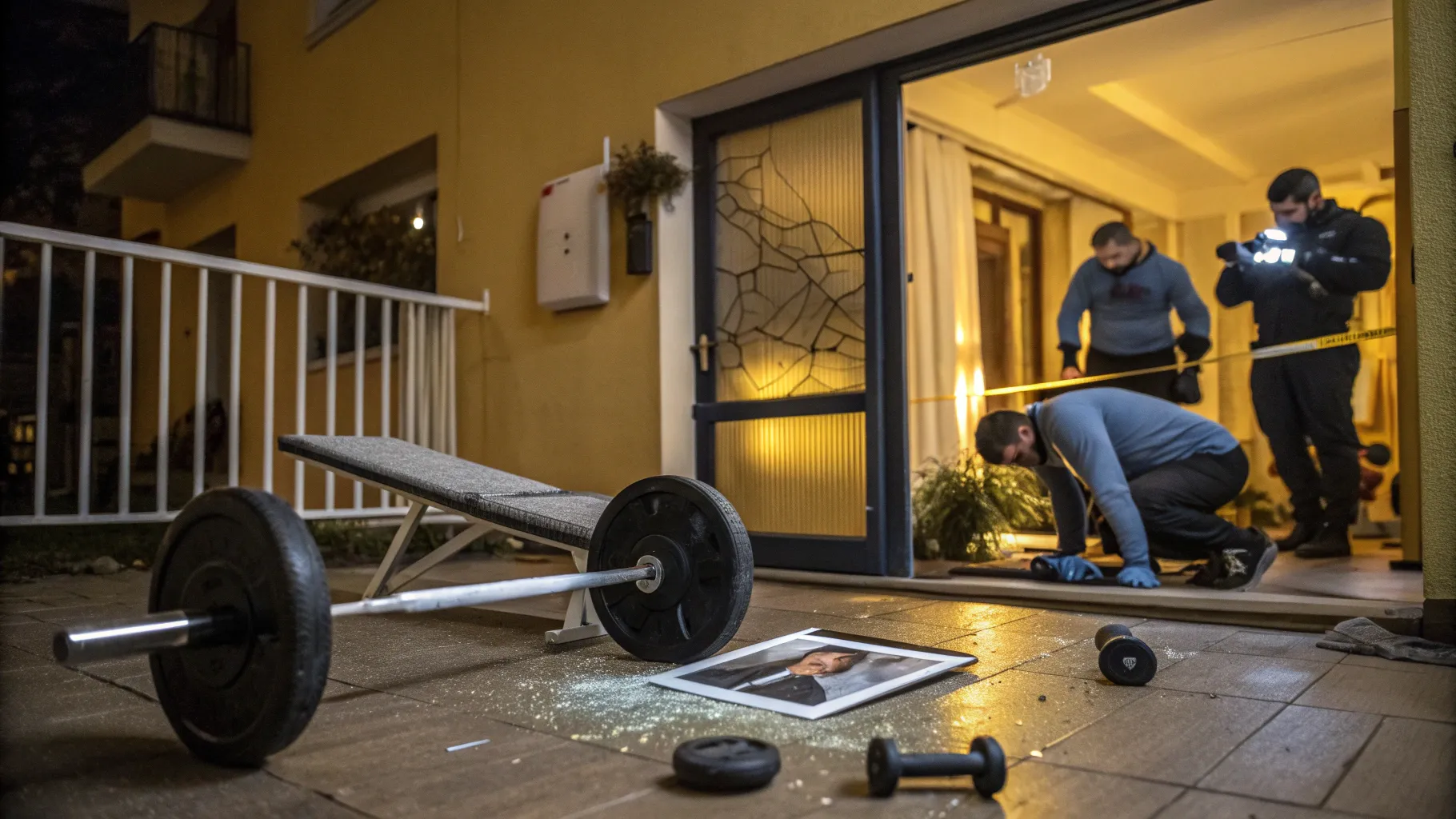
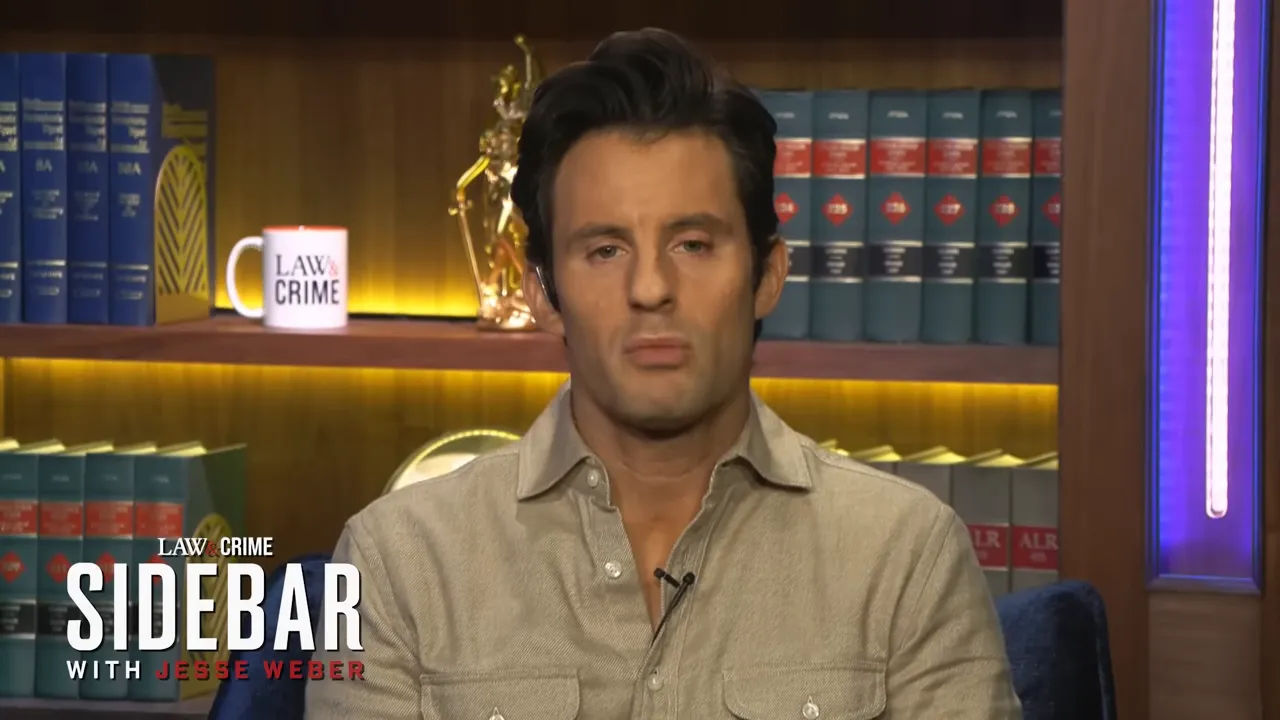
I spoke with forensic psychiatrist Dr. Daniel Bober to try to make sense of a horrific killing that stunned a Brazilian community and reverberated across international headlines. The case centers on 41-year-old Valter de Vargas Aita, a champion bodybuilder and personal trainer from the city of Chapecó, Brazil, who was found stabbed to death in early September. His wife, Andrea Carvalho Aita, is the prime suspect. In this article I lay out the facts that emerged from police reports and local media, analyze the behavioral and forensic aspects Dr. Bober and I discussed, and explore what this case reveals about pathological jealousy, digital evidence, mental health defenses, family trauma, and the broader warning signs that sometimes precede domestic homicide.

Valter was known for his hulking muscles, his training regimen, and the care he showed to clients and friends. He represented Brazil in bodybuilding competitions, was a five-time state champion, and at one point a runner-up in the World Fitness Federation. But on September 7th, everything changed.
What happened: a timeline of the alleged attack
Based on reporting from Universal Online, Globo, the New York Post, ND Mais, and the official news conference conducted by Santa Catarina civil police, here is what authorities say happened:
- Valter and Andrea were married in 2021 and lived together in an apartment in Chapecó.
- On September 7th, Valter was asleep in his apartment when Andrea allegedly began stabbing him repeatedly with a large knife.
- Neighbors reported hearing cries for help, including alleged shouts of, "My God, why are you doing this?"
- At least one neighbor reportedly saw Valter stumbling naked and bloodied into the hallway through her peephole.
- Police later found a trail of blood leading from the couple's apartment into the hall and down a stairwell; Valter was discovered dead near the building entrance.
- Forensic reports cited by the media state Valter was stabbed 21 times with injuries to the face, head, neck, arms, legs, chest and abdomen.
- Andrea sustained superficial cuts to her fingers, head and left arm and was treated at a hospital; she was arrested after release.

The brutality and repeated nature of the wounds—21 stab wounds across multiple body regions—paint a grim picture. The attack, according to investigators, began while Valter was asleep and escalated as he tried to escape, with the alleged assailant pursuing him into the hallway and stairwell.
Motives alleged by police: suspicion, surveillance and threats
Police describe a tumultuous relationship rooted in jealousy. According to Santa Catarina civil police and local reporting, Andrea was convinced Valter was having an affair. Whether Valter was actually unfaithful or merely suspected is not clear, but the content of the alleged lead-up to the murder suggests escalating, obsessive behavior:
- Text messages in which Andrea allegedly threatened Valter and even used knife emojis.
- Audio recordings in which she reportedly said Valter would "pay for what he was doing to her."
- Photographs allegedly sent of Valter sleeping—suggesting constant surveillance.
- Claims that Andrea drilled holes in the apartment walls to watch him.
- Allegations that she engaged with an AI chatbot about her depression, frustration and suspicions regarding Valter.
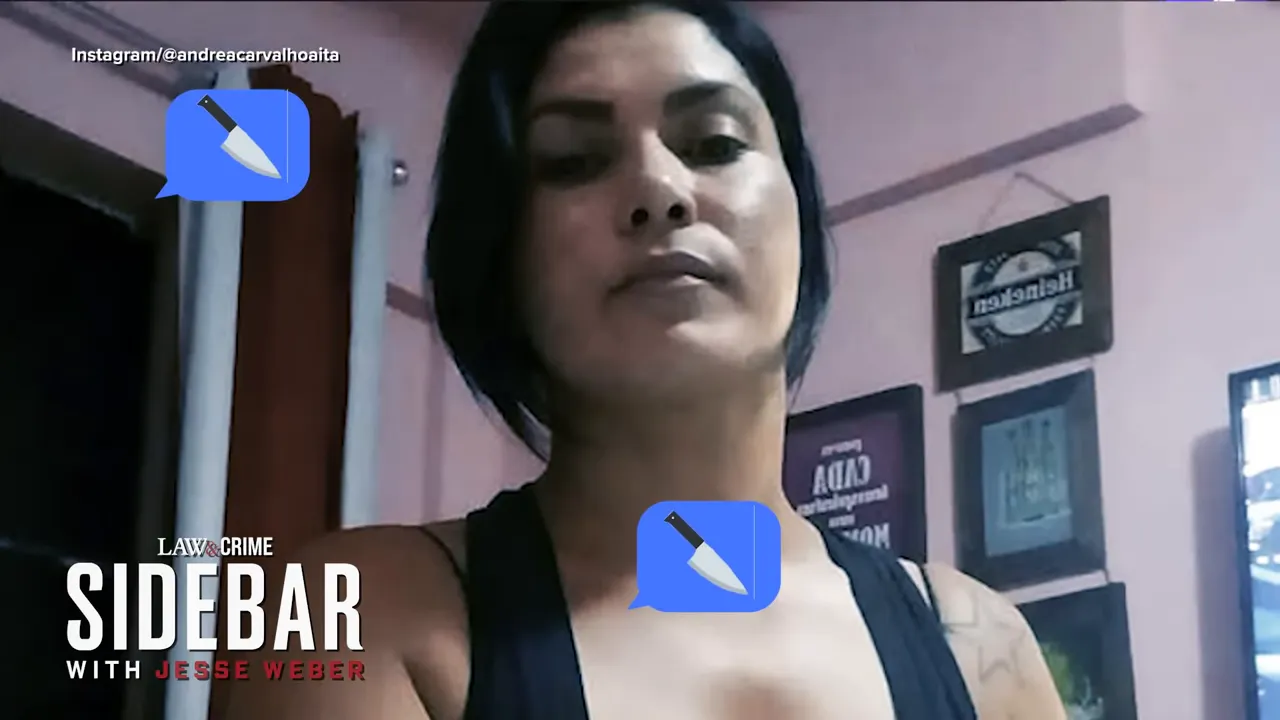
These elements—threats, surveillance, and documented preoccupation—are the textbook warning signs of an escalating, fixation-driven cycle that sometimes ends in lethal violence.
Understanding the psychology: pathological jealousy and the threat-control cycle
To help interpret the behavioral pattern revealed by the evidence, I spoke with Dr. Daniel Bober, a forensic psychiatrist. His clinical framework is instructive and, sadly, familiar.
"We think about things like O.J. Simpson, Jodi Arias. We have a familiar cycle: a suspicion and insecurity, which leads to obsessive surveillance and control, and then finally threats and intimidation, escalation planning, obtaining a weapon, preoccupation, and then finally lethal violence." — Dr. Daniel Bober
Dr. Bober frames this as a form of pathological jealousy. It's important to be precise about terminology:
- Normal jealousy is an emotion many people experience in relationships; it can be adaptive when it alerts us to boundary violations or actual betrayal.
- Pathological jealousy is when the emotional response becomes disproportionate, irrational, and leads to intrusive, controlling and sometimes violent behaviors. It often resembles a delusional disorder or severe obsessional pathology.

One key point Dr. Bober emphasized is that whether or not infidelity actually occurred is not essential to the clinical diagnosis. The core issue is the degree to which the individual’s beliefs, fears, and behaviors are out of proportion to reality—fixed, delusional, or utterly consuming.
The threat-control-override concept
In forensic psychiatry, clinicians use models like the "threat-control-override" cycle to explain why certain relationships spiral into violence. The cycle typically proceeds as follows:
- Anxiety and suspicion (ruminative thoughts: "He is cheating").
- Intensified surveillance and control behaviors (texts, recordings, spying).
- Escalation through threats and intimidation ("If I catch you...").
- Acquisition of weapons and premeditation.
- Violence—sometimes sudden and frenzied, sometimes planned to the point of ambush.
When surveillance and threats are documented—texts, voice recordings, photos of a sleeping partner, physical modifications like drilled holes—the pattern is often not a spontaneous outburst but the culmination of weeks, months, or years of escalating behavior.
Digital evidence in modern domestic violence cases
The digital trail in this case is especially illustrative of how technology reshapes the dynamics and the evidentiary landscape of domestic conflict. Investigators reportedly found:
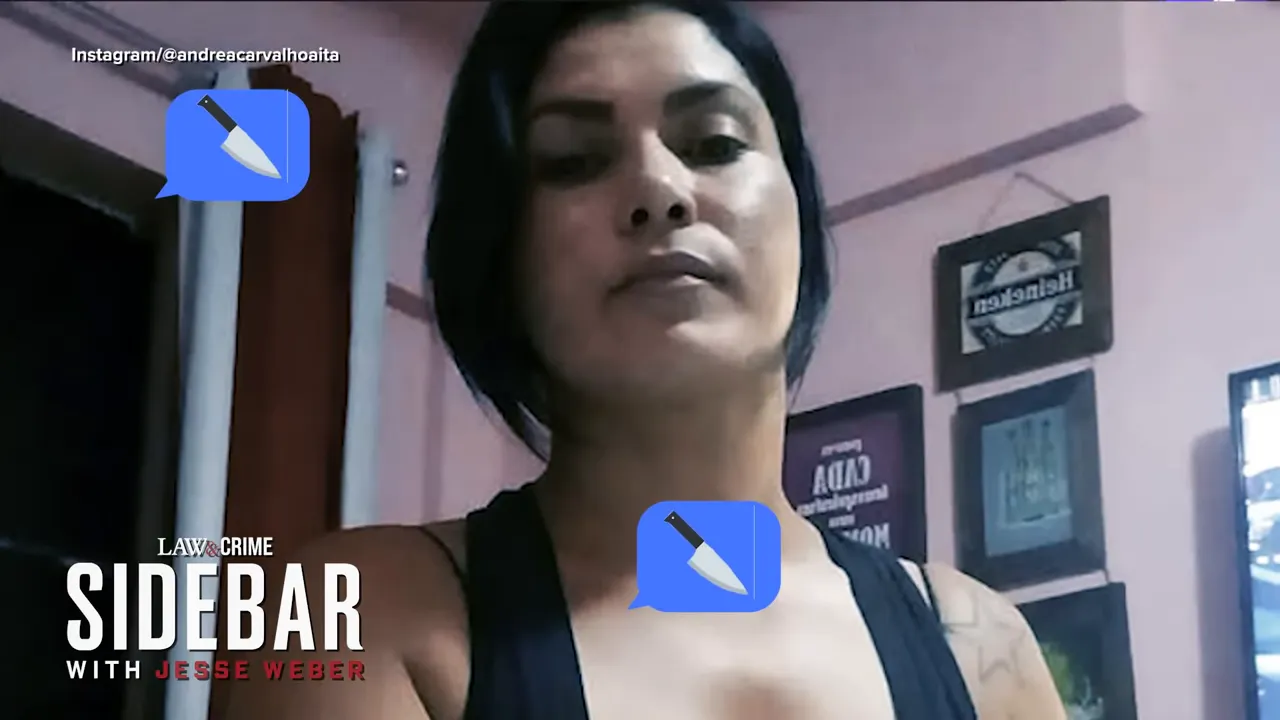
- Text messages with threats and violent emojis.
- Audio recordings in which the suspect allegedly threatens consequences for perceived betrayals.
- Photos of the victim sleeping—direct documentation of surveillance.
- Message logs showing interactions with an AI chatbot where the suspect discussed symptoms of depression and suspicions about infidelity.

These pieces can serve multiple functions in an investigation and, later, in court:
- Motive and intent: Threats and premeditative language help establish mens rea (a guilty mind).
- Pattern evidence: Consistent surveillance and threats show a history of fixation rather than a one-off incident.
- Corroboration: Audio or photographic records corroborate witness statements about behavior and escalation.
But there's a catch: digital records are double-edged. Just as they can incriminate, they can also be used in defense narratives to argue provocation, fear, or mental health crises. The nuance lies in how the records are framed and how they align with forensic, medical, and witness evidence.
AI as confessional or corroborative: a new evidentiary frontier
One particularly modern twist in this case is the revelation that Andrea allegedly communicated with an AI chatbot about her emotional state, depression and suspicions of infidelity. The logs reportedly showed her describing symptoms and feelings that might be relevant to a mental health evaluation.
"AI is not your friend. AI is not your therapist. AI doesn't act with intention because AI is simply a language prediction model... So if you're relying on AI for advice, you're making a huge mistake." — Dr. Daniel Bober
There are several points to unpack here:
- Self-disclosure: Many people offload their worries to chatbots because the interaction feels private and nonjudgmental. That candor can produce written records that investigators can later obtain and use.
- Probative value: AI chat logs can help show mental state, ongoing preoccupation, or planning. Comments that indicate a desire to harm or rehearsals of violent fantasies are particularly damaging.
- Limitations: Chatbot responses are generated and may include language that mirrors the user rather than providing therapeutic insight. They do not replace clinical interviews, but they can be used as corroborative data.
As digital natives increasingly turn to AI for advice, law enforcement and forensic clinicians will see more of this material. It's a stark reminder that anything written—even to an algorithm—can be discoverable in criminal proceedings and potentially detrimental to a defense.
Self-defense claim vs. evidence of premeditation
After her arrest Andrea reportedly admitted to stabbing Valter but claimed she had done so in self-defense, saying he had a knife first and that she only stabbed him three times. That account diverges sharply from investigators’ determinations: 21 stab wounds and a narrative of pursuit down the hallway.

How do investigators and forensic psychiatrists evaluate self-defense claims in contexts like this?
- Physical evidence: Number of wounds, wound trajectories, and defense wounds on the alleged assailant are crucial. Twenty-one stab wounds across multiple body regions are difficult to reconcile with a brief, defensive struggle unless corroborating evidence—such as severe defensive wounds on the defendant—exists.
- Lead-up behavior: Threats, stalking, and premeditative communications dim the plausibility of sudden, legitimate self-defense.
- Scene reconstruction: Blood spatter analysis, footprints, and the spatial relationship of wounds help determine whether the encounter was spontaneous or an ongoing attack.
- Witness testimony: Neighbor accounts about cries for help and seeing Valter escape into the hallway can contradict a defensive narrative.
In short, self-defense claims are not impossible in domestic homicide cases, but the totality of circumstances—especially documented escalation and surveillance—can make such defenses difficult to sustain beyond a reasonable doubt.
Mental health defenses: possibilities and hurdles
Defense attorneys often explore mental health avenues: temporary insanity, diminished capacity, or psychotic delusions. But the success of such strategies depends on several factors.
- Timing and chronicity: Was the mental state acute (an extreme emotional reaction) or chronic (a long-standing psychotic disorder)? Chronic pathologies might provide an explanatory framework but can also be corroborated by prior records and behavior.
- Behavioral consistency: Pre-planning behaviors (threats, weapon acquisition, surveillance) weigh against claims of a spontaneous psychotic break.
- Objective evidence: Hospitalizations, psychiatric treatment history, medications, and prior diagnoses are critical to mounting a credible insanity defense.
- Jurisdictional law: Different legal systems have diverse standards for insanity and diminished capacity. In Brazil the statutory and procedural frameworks differ from those in the United States, which affects what options are viable.
Dr. Bober noted that a defense might attempt to argue psychosis—delusional beliefs about infidelity—but the documented lead-up and the apparent deliberate surveillance would make an insanity plea an uphill battle.

Complicating factor: a prior violent conviction and active warrant
Another layer that emerged in reporting complicates matters further: local media say Andrea had previously been convicted of attempted robbery with violence. She was given an 18-year sentence, appealed, and had the sentence reduced to 15 years. By the end of the appeals process authorities could not locate her, and she had an outstanding arrest warrant at the time of Valter’s death.
That history raises questions:
- Does the prior conviction reveal a pattern of violent or antisocial behavior?
- Did she deliberately evade law enforcement and, if so, for how long?
- How will prior criminal history influence bail decisions, sentencing exposure, and jury perceptions?
In many criminal systems, a prior conviction for a violent offense both increases the likelihood of pretrial detention and colors jury interpretation of motive and character. For prosecutors it adds weight to a narrative of danger; for defense teams it creates an uphill legal fight to compartmentalize a past conviction as unrelated to a later, domestic matter.
The human cost: family, grief and the long aftermath
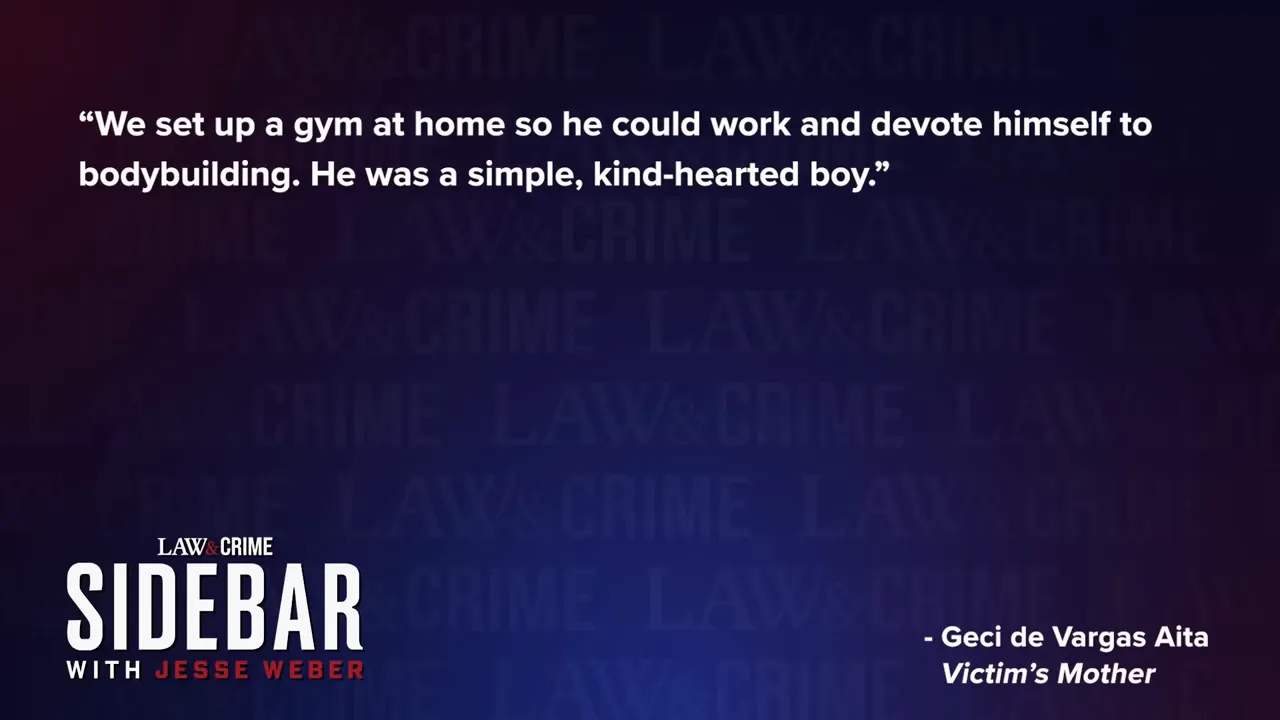
Beyond legal strategy and psychiatric labels are the people left behind. Valter’s mother told local press that her son was a kind, simple man who set up a home gym to pursue bodybuilding and that Andrea had once told the family she "had to marry" Valter and even threatened to kill him.
When homicide is perpetrated by an intimate partner, the grief and trauma are compounded by betrayal, by the knowledge that the person who shared a home—or a bed—was allegedly responsible. Families often report:
- Prolonged inability to experience closure until a trial concludes.
- Reliving evidence and testimony in public forums during prosecution.
- Complicated mourning because of media attention, rumor, and community reaction.
As Dr. Bober observed, "Grief is a process... Loss is a process... It becomes a new normal for the family." True justice and any form of healing are often slow to arrive; legal resolution is necessary for many survivors to begin rebuilding.
Warning signs and prevention: what to watch for
While no checklist prevents all violence, several red flags highlighted by this case are notable and actionable:
- Escalating surveillance: Secretly photographing, drilling holes to spy, monitoring online activity, or demanding passwords are forms of control that can escalate.
- Overt threats: Verbal threats of harm, texts with violent imagery, or recorded declarations of revenge are clear danger signs.
- Prior violence or criminal history: A past involving assault, robbery, or violent offenses should prompt increased caution and engagement with authorities.
- Obsessive rumination: Repeated accusations, insistence on signs of infidelity despite contrary evidence, and inability to accept alternative explanations indicate pathological preoccupation.
- Isolation tactics: Attempts to control who the partner sees, where they go, and whom they speak with.
If you or someone you know is in a relationship that displays several of these elements, safety planning and involvement of local domestic violence resources, law enforcement, and mental health professionals can be life-saving. Confidential hotlines, shelters, and legal advocates provide tailored guidance for escape and protection.
Legal aftermath and what to expect next
As of the latest reporting, Andrea faces homicide charges that in Brazil could carry lengthy prison terms. Combined with the unresolved sentence for attempted robbery, she may be exposed to decades behind bars if convicted. For investigators and prosecutors, building a case will likely hinge on corroborating digital records, forensic pathology (wound analysis and timing), witness statements, and any surviving physical evidence from the scene.
Defense strategies may attempt to (a) undermine the reliability of digital evidence, (b) assert self-defense and argue a shorter sequence of stabbings, or (c) raise mental health defenses. The prosecution will counter by emphasizing the depth and duration of the alleged stalking and threatening behavior.

A final note on the role of clinicians and investigators
Forensic psychiatrists and law enforcement play complementary roles in unraveling cases like this. Clinicians evaluate mental state, capacity, and personality traits. Investigators reconstruct timelines, collect digital artifacts, and establish motive and causation. Both disciplines must be careful about overreach: clinical diagnoses should not be conflated with criminal responsibility, and legal judgments must account for psychiatric nuance.
As Dr. Bober told me, building rapport and validating a person's experience can make them more likely to disclose truthfully—an observation that applies to both therapeutic settings and investigative interviews. The interplay of trust, documentation, and careful forensic evaluation often determines whether a tragic event is understood or remains a tangle of accusations and denials.
Conclusion: a cautionary, tragic story
The alleged murder of Valter de Vargas Aita is a wrenching illustration of how a relationship can devolve from love to lethal violence when suspicion and control metastasize into obsession. The evidence reported so far—textual threats, surveillance imagery, AI logs, drilled holes, and the ferocity of the attack itself—creates a disturbing narrative of escalation that investigators and clinicians recognize too well.
For the family and friends left behind, no psychiatric explanation or legal verdict will erase the immediate and raw loss. For the public, this case underscores how modern technologies can both enable stalking and create documentary breadcrumbs that assist criminal investigations. And for clinicians and legal professionals, it poses hard questions about prevention, early intervention and how to manage individuals whose jealousy has become pathological.
If you were moved or disturbed by this story, consider two practical actions: reach out to local domestic violence resources if you or someone you know is in danger, and remember that recorded digital content—texts, emails, AI chats—can be both evidence and a warning sign. Finally, keep the victims human: Valter’s life was more than a headline. He was a coach, an athlete and a son, and the human cost of this alleged crime will be felt for years to come.
Thank you for reading. If you want to hear the full conversation I had with Dr. Bober, you can find the Sidebar episode on the Law&Crime Network. Please subscribe to Law&Crime for continuing coverage.



 Posts
Posts


0 Comments