

Table of Contents
- Introduction
- Case One — Gosport: The Death of Kellyanne Casease
- Case Two — Ascot under Witchwood: The Murder of Vicky Thompson
- Common Themes and Comparative Analysis
- How Investigations Unfold — Practical Steps and Police Work
- Remembering the Victims
- Practical Advice for Communities
- Frequently Asked Questions
- Final Reflections
Introduction
As I investigated two seemingly ordinary English communities, I witnessed how sudden violence can shatter small towns and rewrite lives forever. Both cases began with a single emergency call and unfolded into full-scale murder inquiries that gripped neighbours, families, and investigators. One took place on the foggy peninsula of Gosport on the south coast of Hampshire, the other in the idyllic Oxfordshire parish of Ascot under Witchwood. In both stories the families, the police, and the communities were left grappling with grief, fear, and the slow, painstaking work of forensic science.
These accounts are not merely headlines. They are narratives of people who lived full lives before being violently taken. They show how evidence, chance observations, and evolving science can change the course of justice. I will walk you through each case in detail — the scene, the investigation, the forensic breakthroughs, the trials, and the aftermath. I will also reflect on the lessons these two tragedies teach about vulnerability, policing, and the fragile sense of safety in small communities.

Case One — Gosport: The Death of Kellyanne Casease
Setting the scene: Gosport and its close-knit streets
Gosport sits on a peninsula across from Portsmouth, a place with a strong naval heritage and the comforting rhythms of a coastal town. To most people, it is a quiet commuter hub with parks, cycle tracks, and communities where neighbors know each other by sight. That familiarity makes the violence that occurred on a summer morning all the more shocking.
Kellyanne Casease was 27. Born and raised in Gosport, she had spent most of her life in the town. Friends and family remember her as bubbly, fun-loving, and someone who could make a room laugh no matter how low spirits were. As with many young parents, life had not been easy. Kelly had been a very young mother, had faced struggles with alcohol and drugs at times, and had recently experienced the trauma of her children being temporarily removed from her care by social services. Despite that, she remained deeply loved by those closest to her.

The discovery: fire, horror, and an urgent police response
One morning neighbours and passing builders noticed thick black smoke rising from a house on Grange Crescent. Concerned that someone might be inside, they tried to raise the alarm. Hampshire Fire and Rescue responded fast. What began as a fire incident soon revealed something far worse.
Firefighters forced entry to the house. When they reached the back bedroom upstairs they found a scene that would haunt everyone involved: Kellyanne’s body, naked, bound with cable ties around her wrists, and with multiple stab wounds and a deeply cut neck. There was blood on the walls and floors. The bed had been stripped and bedding was burned in various places. Fire crews immediately called in police and secured the scene, treating the incident as a murder investigation. Detectives noted that the fire appeared deliberately set — possibly to destroy evidence.

"When they went upstairs, they find a naked female. There was blood on the walls. She had some cable ties wrapped around her wrists as she had stab wound injuries to her neck."
Early lines of inquiry and victimology
In homicide investigations, detectives rapidly pursue multiple theories. One immediate question was whether Kellyanne had been attacked by a stranger or by someone she knew. The condition in which she was found — stripped, tied, tortured — suggested a sexual element might be involved, and this raised fears of a stranger attack. The nature of the injuries and the use of cable ties led officers to explore whether a sexual assault had occurred.
But other clues complicated the stranger theory. There was no sign of forced entry; the back door had been left unlocked. That fact suggested either luckless opportunistic entry or that the killer knew Kellyanne and expected the door to be open. Detectives therefore began a detailed victimology: interviewing family, friends, and neighbors; reviewing phone records; and reconstructing Kellyanne’s social contacts and recent conflicts.
Threats and a troubled circle
In the weeks preceding her death Kellyanne had been through an alarming episode. After a March altercation at her home left a man with a fractured jaw, she reported receiving threatening messages from members of that family. She fled the area for a few months and later returned. Friends told police she had been cautious and kept to herself after coming back.
More immediately relevant, she had told friends that three men had turned up at her home the night before the murder, threatening to break in, strangle, and rape her. Officers took those reports seriously and began tracing anyone who had visited the address the previous evening.
"She had been receiving threats from three men who had arrived at her address, were trying to break in and had threatened to strangle and have sex with her."
A witness, a call, and a suspect coming forward
A neighbor reported seeing a scruffy man around the area in the early hours of the morning. That sighting was important, but the investigation took a decisive turn when a man named Will Valinder contacted police and said he might be one of the last people to see Kellyanne alive. Will told detectives he had spent the night with Kellyanne, and that he and his friend Brendan Rowan Davies had left her house at around 6:30 a.m. the same morning she was later found dead.

While Will volunteered information, the police arrested him for questioning and seized his phone and clothing to be examined. Accounts like his can shorten the timeline and reveal new leads, but they can also be attempts to shape the narrative if someone is concealing involvement. Will's decision to come forward put attention on his companion, Brendan, who initially could not be located.
CCTV, movements, and the unraveling of a timeline
Detectives turned to CCTV to corroborate statements. Footage showed Will and Brendan together late at night and then of Brendan leaving Will’s address in a different set of clothes at about 7:00 a.m. Crucially, more CCTV later placed Brendan returning to Kellyanne’s house just over an hour after leaving it. That return visit saw him at the house for roughly 40 minutes according to the footage — a period that investigators would focus on intensely.
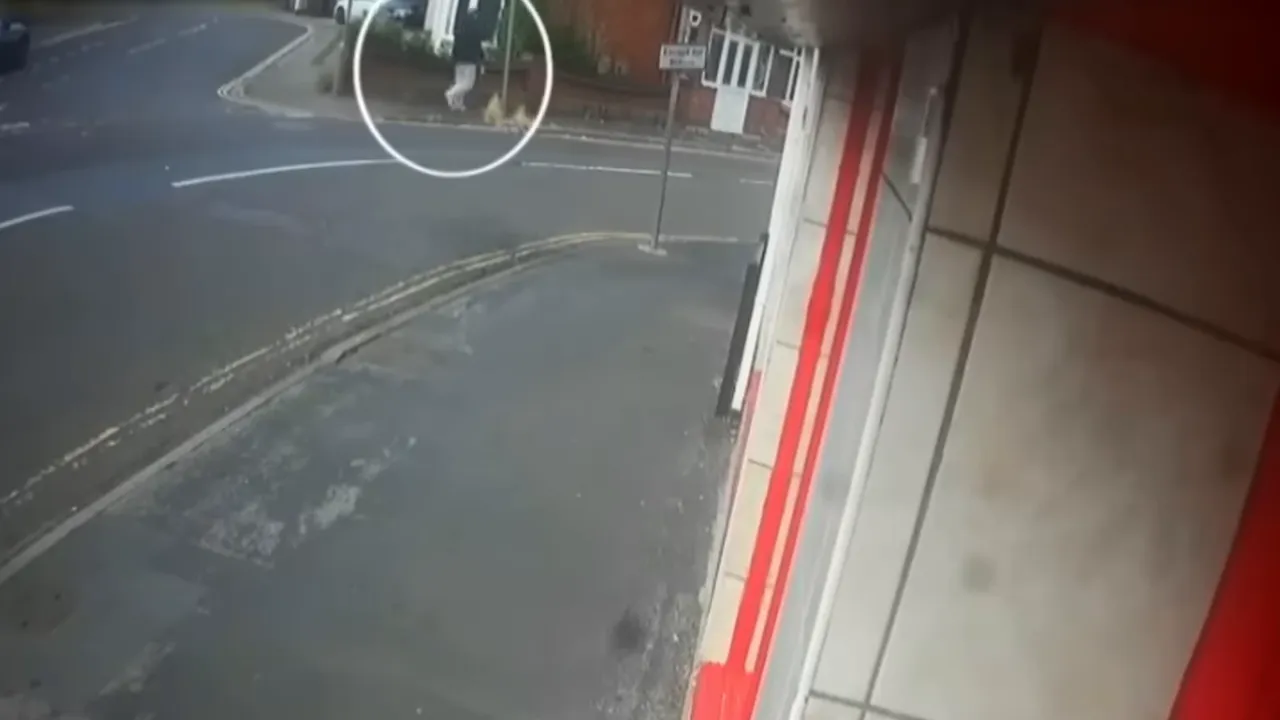
After the return visit Brendan was seen heading to his mother’s home nearby, changing clothes, and later discarding two bags in a bin shed near his flat. Officers recovered clothing, including a pair of knickers believed to belong to Kellyanne, trainers with blood on them, and cable ties of the same description as those found around Kellyanne’s wrists.
Forensic links and arrest
DNA testing proved decisive. Cable ties recovered from Brendan’s address contained Kellyanne’s DNA and his DNA. Blood on his shoes matched Kellyanne. Those links established both means and opportunity. Detectives submitted the case to the Crown Prosecution Service, who authorized charging Brendan Rowan Davies with murder. Will was released without charge.
"We then get the forensic results on the cable ties that were found around Kelly's wrists, and they have Kelly's DNA on them, obviously, but they also have Rowan Davis's DNA on them."
The trial, defense claims, and why jurors decided guilt
At Winchester Crown Court the defense put forward a desperate-sounding alternative: Brendan claimed he had returned to Kellyanne’s house because he had forgotten his tobacco, that an unknown masked man then grabbed him and threatened him with a knife and forced him to leave, and that this masked assailant had subsequently killed Kellyanne. That theory depended on an unseen third party committing a brutal murder in a tiny window of time and letting Brendan walk away unharmed.
Prosecutors and cross examination exposed serious inconsistencies in that account. CCTV showed Brendan moving about calmly after the alleged confrontation; he changed clothes at his mother’s house and then returned to bins where he disposed of clothing. The injuries to Kellyanne were extensive: multiple stab wounds, cuts to the neck, broken ribs and other traumatic injuries consistent with a frenzied assault. The prosecution argued that Brendan had returned with intent borne of jealousy and sexual fixation, committed the attack, and tried to conceal his actions by setting bedding alight.
The jury deliberated for about four hours and returned a unanimous guilty verdict. Brendan Rowan Davies was sentenced to 30 years imprisonment. For Kellyanne’s family the conviction offered a measure of justice but not closure. Her sister said the family had lost a big part of them and pleaded that Kelly be remembered for who she was, not solely for what happened to her.
"We as a family have lost a big part, especially my mom and her children. They've lost their mom and my mom has lost her daughter."
Aftermath and reflections
Kellyanne’s death exposed a web of vulnerability: substance use, threats from others, and links to people who could be dangerous. The case underlines how community knowledge, quick witness recognition, CCTV, and forensic science combine to trace an offender. It also highlights the emotional toll on families, first responders, and the community when a familiar place becomes the scene of violent crime.

Case Two — Ascot under Witchwood: The Murder of Vicky Thompson
A peaceful village and a smiling mother
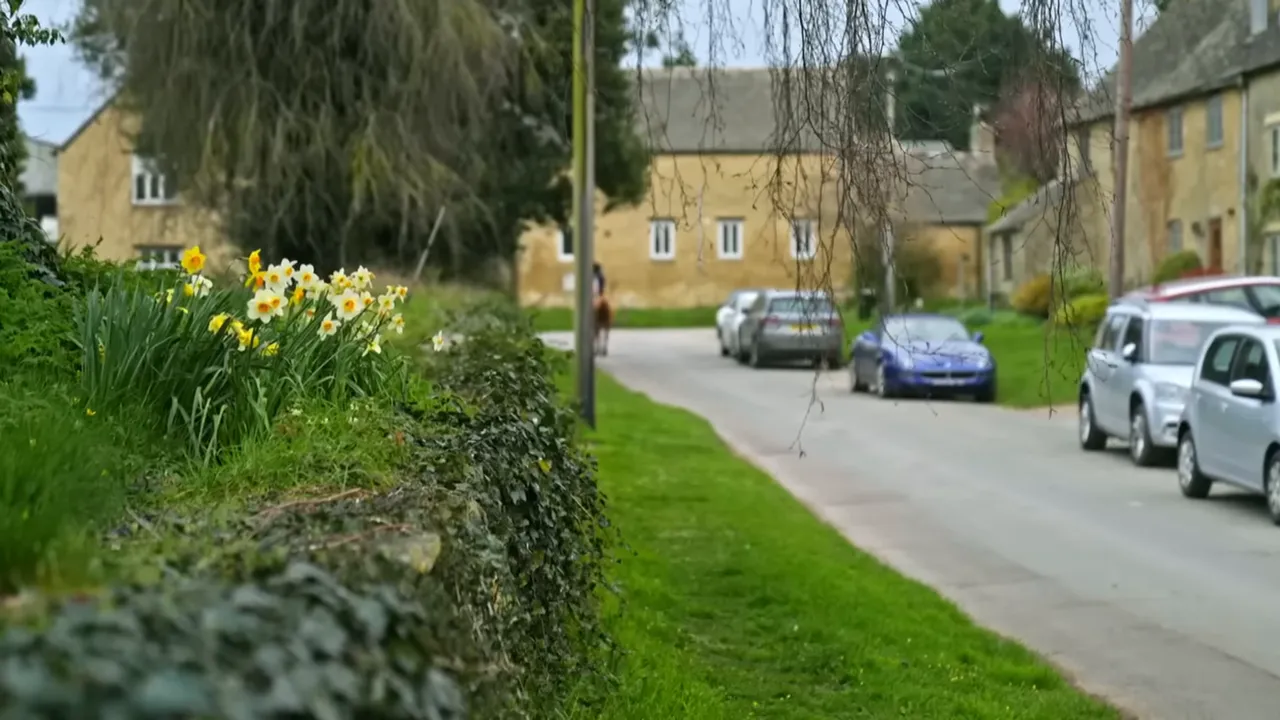
Ascot under Witchwood is an archetypal English village: a few hundred residents, a village pub, fields, and lanes where everyone expects to feel safe. Vicky Thompson, a mother of two, was a beloved part of that community. She worked in the village pub, raised children with her husband, and enjoyed walking their collie Daisy through the lanes and fields that define rural life in that area.
A routine walk becomes a nightmare
On a late summer afternoon Vicky set off on her regular walk with Daisy. When the dog returned alone a few hours later, an immediate alarm was raised. Her husband, neighbors, and friends searched the familiar route. Initially someone spotted patches of blood on the lane and broken jewelry. The jewelry was quickly identified as belonging to Vicky. Those pieces and the surrounding blood led to an urgent call to police.
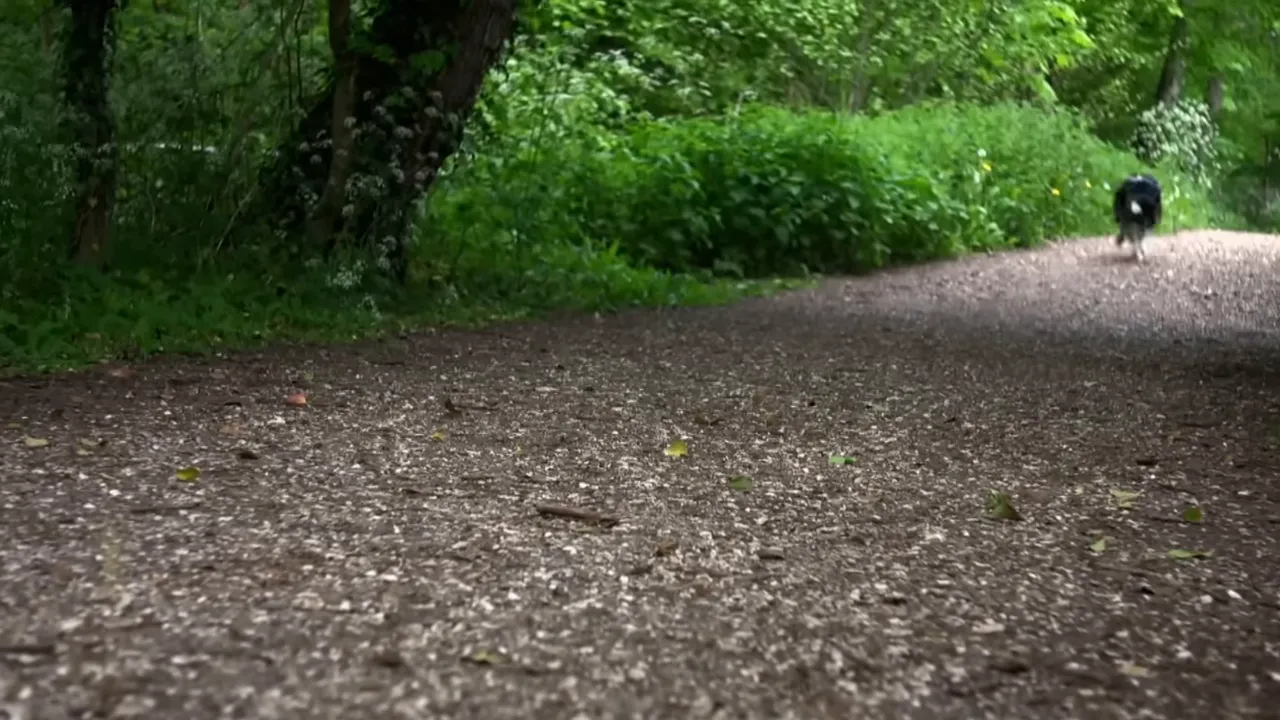
Three hours after the walk began, searchers found Vicky in a field near the railway embankment. She was alive but gravely injured, with blood covering her face and head. A stone lay nearby; it appeared she had been struck repeatedly. She drifted in and out of consciousness. An air ambulance was called to transfer her to the John Radcliffe Hospital in Oxford, where specialists deal with severe brain injuries.
"To their horror, Vicky's lying on the ground with blood covering her face and head. When her husband tries to speak to her, she's drifting in and out of consciousness."
From attack scene to murder investigation
Vicky fought for six days in intensive care before she succumbed to blunt force head injuries. Her death transformed a terrifying assault into a murder inquiry. For a small village, the idea that a local lane could be the scene of an unprovoked attack on a dog walker was chilling. Detectives treated the case as a major investigation from the outset, carrying out extensive door-to-door enquiries and interviewing thousands of potential witnesses in the surrounding area.
Clues on the lane and a crucial discovery
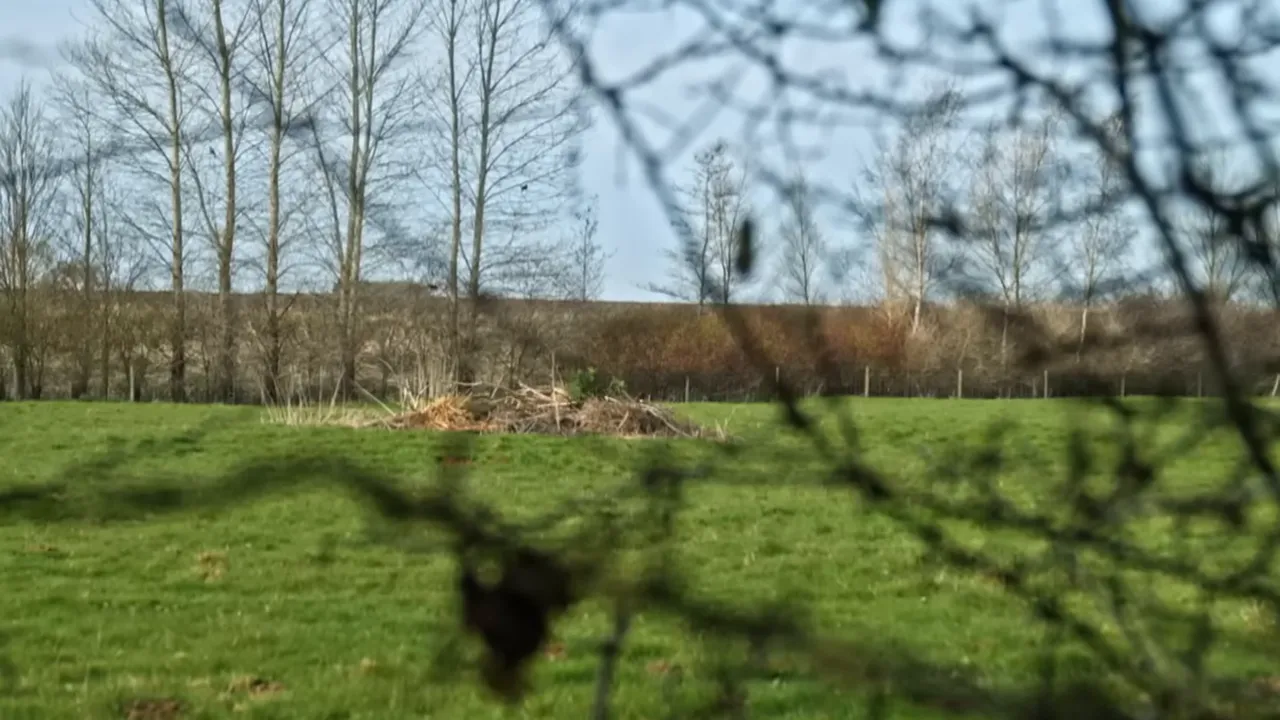
At the scene investigators found clumps of blood-stained hair on nearby rocks, and blood on the pathway where they believed the initial blows had occurred. It appeared Vicky may have been struck and then moved or dragged towards the railway embankment — possibly in a crude attempt to conceal the attack or make it appear accidental. The open, daylight setting and the small number of passing trains meant few potential witnesses had observed the assault.
Crucially, roughly 200 meters from the attack site officers found a plastic bag in a hedge. Inside were two items of woman's underwear that had been contaminated with semen. The underwear did not belong to Vicky. DNA analysis of the semen would become pivotal.
Suspicions focus on a local man
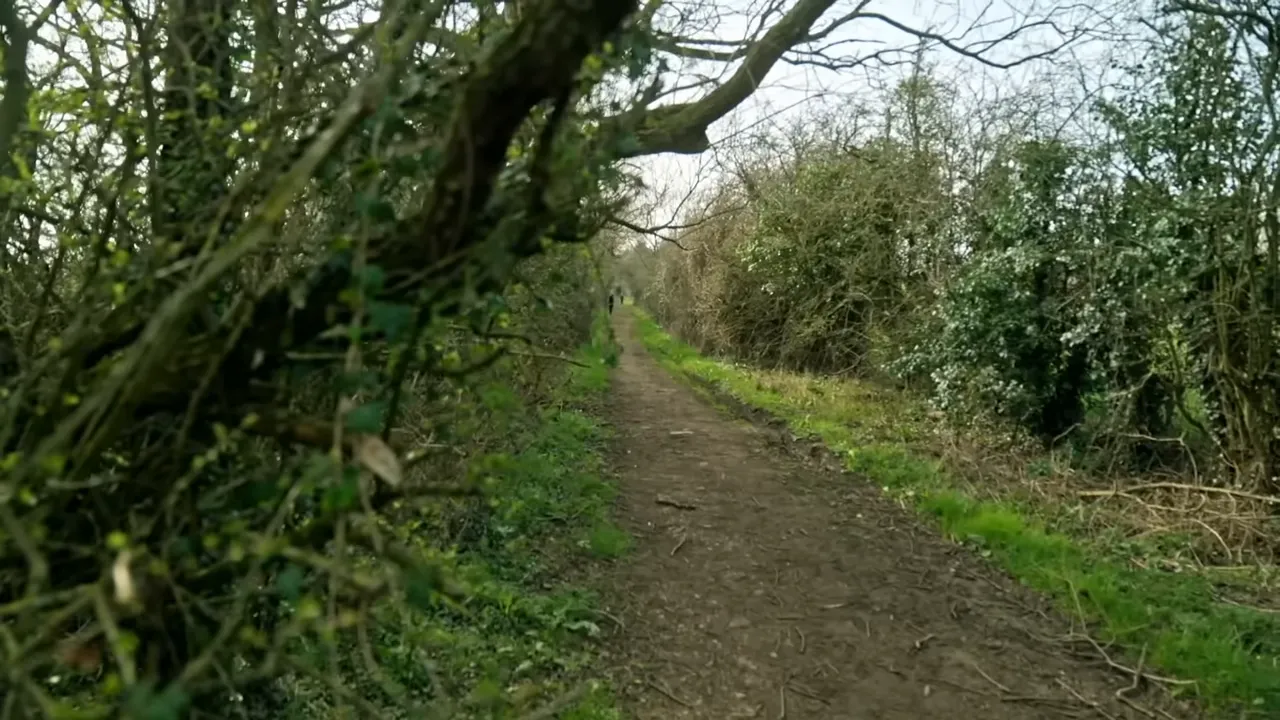
Through House-to-house inquiries one name emerged: Mark Weston, a 20-year-old who spent a lot of time in the area and who was seen by multiple villagers near Shipton Lane. Four separate witnesses reported seeing him heading toward the lane before the attack. Another witness said she saw him looking alarmed and covered in sweat, running away from the village not long after the incident.
When interviewed, Mark initially gave conflicting accounts of his movements. He denied being at the scene and claimed he had been at home. Later statements varied, which increased suspicion. Officers searched his garden about a month after the murder and found charred remains of a sweatshirt he had attempted to burn.
Forensic tests and the first trial
Soon, DNA results connected Mark to the scene. The semen-contaminated underwear found near the attack site matched his DNA. Police recovered further underwear in a watercourse near his house, apparently discarded to conceal the connection. Material evidence suggested that the underwear had been taken from villagers' washing lines and used for sexual purposes. None of the underwear belonged to Vicky, but the DNA placed Mark in proximity to the place and behaviour that investigators believed provided motive and context.
"The lady's underwear found near the crime scene has a DNA result for the body fluids found on them. It matches Mark Weston."
Arrested and charged with murder, Mark faced trial at Oxford Crown Court. But before the jury ever heard the entire case, the trial suffered a severe blow. The judge ruled the bag of underwear and the DNA linking it to Mark inadmissible, deciding that the potential prejudice to the defendant outweighed its probative value. Without that key evidence the prosecution struggled to establish opportunity and motive conclusively.
An acquittal and a community left raw
After a 14-day trial, the jury retired and returned a not guilty verdict within 50 minutes. For many involved in the investigation and for Vicky’s family, the quick acquittal felt like a declaration of innocence. Mark was freed and returned to the community, where his behavior soon compounded local distress.
Feeling empowered by the acquittal, he began harassing members of the community who had been involved in the case. He made hundreds of silent calls to the police officer who investigated the matter and his family, taunted neighbors, and posted threatening notes. He was convicted twice for harassment and given conditional discharges and community sentences. Yet the unresolved grief and the belief by many that he had been involved in Vicky’s death lingered.
Double jeopardy reform and a cold case review
For decades the rule of double jeopardy had prevented retrial after acquittal. In 2003 Parliament passed an act that allowed in limited circumstances for retrial if compelling new evidence emerged. On the 10th anniversary of Vicky’s murder, a cold case review team reopened the investigation. Detectives focused on forensic opportunities that had not existed or been applied in the original inquiry.
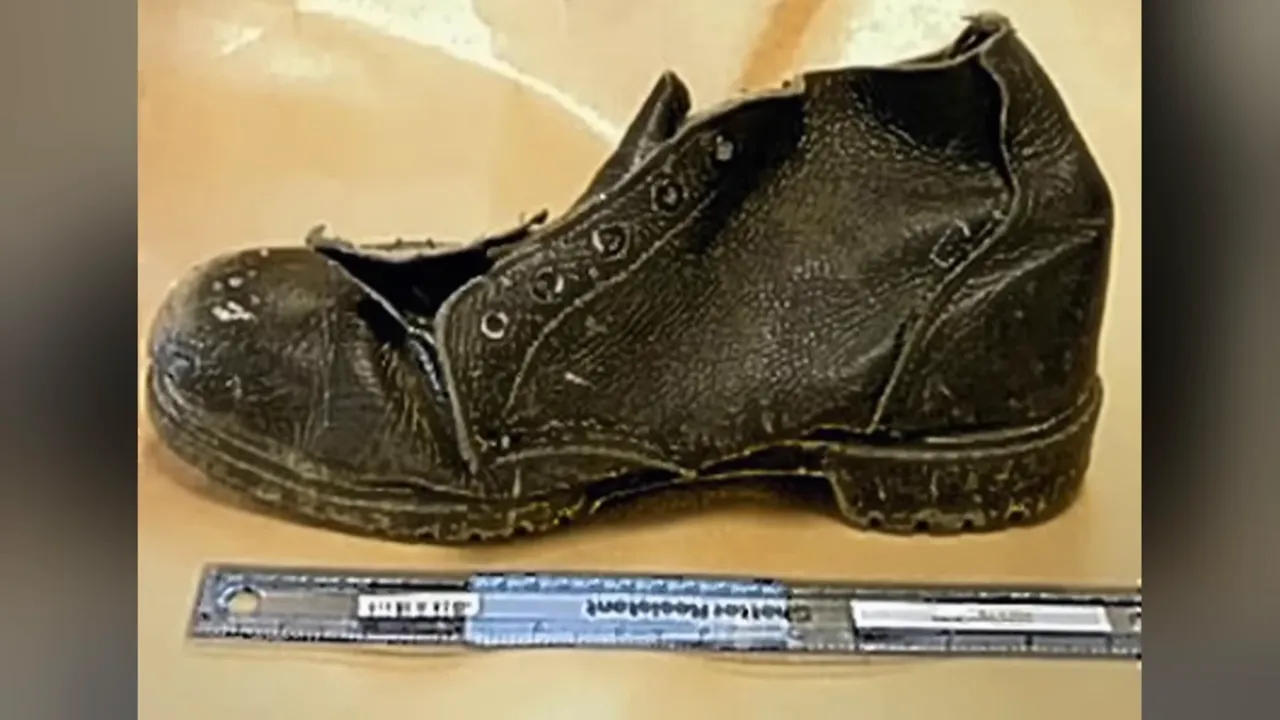
A breakthrough came when forensic scientists reevaluated Mark’s old boots, retrieved from the force's exhibits store. Advances in forensic techniques, including the use of fibre optic lighting and low-power microscopy, allowed lab teams to detect faint blood staining on black leather that had been missed a decade earlier. DNA profiles obtained from those stains matched Vicky.
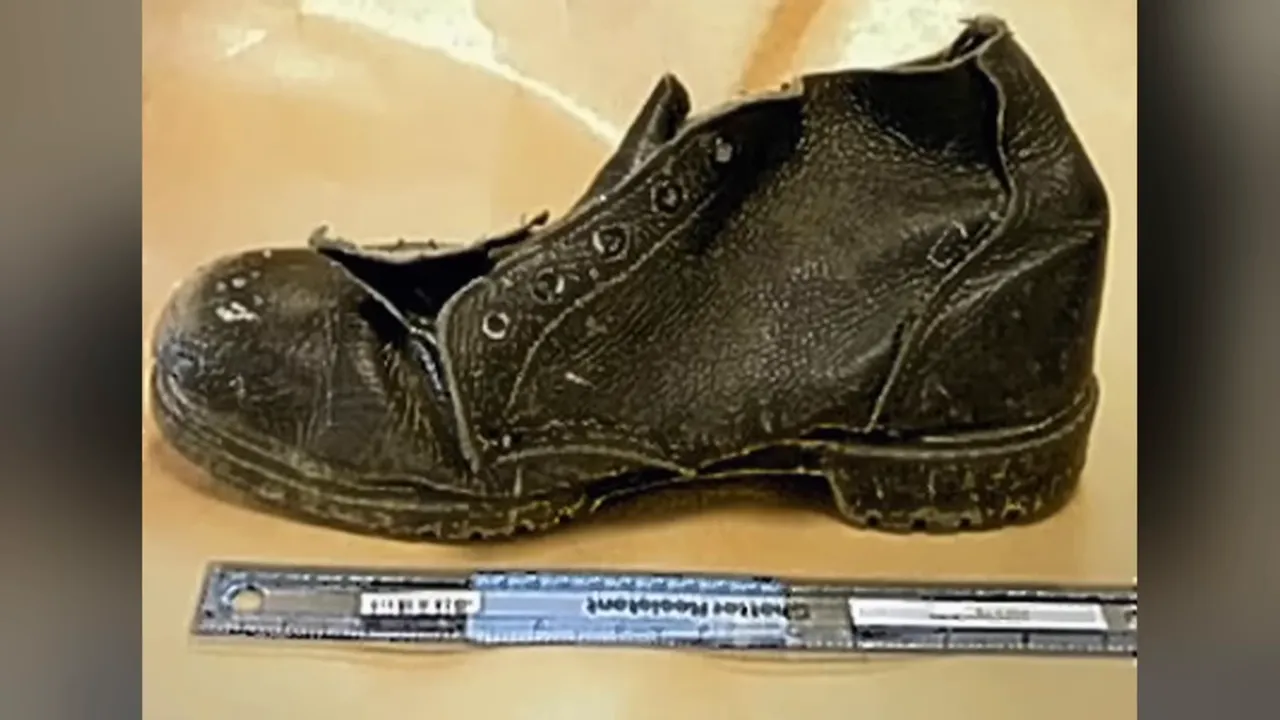
"We found some blood staining on Mark Weston's boots, and DNA profiles were obtained from that blood, and those matched Vicky Thompson."
Second trial and final conviction
With the blood evidence on the boots and the earlier underwear discoveries admissible under the retrial provisions, prosecutors were able to present new and compelling evidence. The Court of Appeal quashed the earlier acquittal and authorized a retrial. In the retrial the combined weight of fresh scientific proof and the pattern of behaviour was overwhelming for the jury.
Mark Weston was found guilty of Vicky Thompson’s murder, 15 years after her death, and sentenced to a minimum of 13 years imprisonment. For Vicky’s husband, family, and the village, the conviction was a long-awaited moment of justice, though it could never undo the loss or the years of fear and uncertainty they endured.

Lessons from Vicky’s case
This investigation underscores the role of evolving forensic technology in bringing truth to light. It also explores the complexities of balancing a fair trial for the accused with the imperative to use all relevant evidence. The judge who initially excluded the underwear evidence acted within strict legal principles designed to prevent unfair prejudice. Later, however, the combination of new DNA evidence and legislative change allowed the justice system to correct what many considered an unacceptable gap.
Vicky’s murder also reveals how an acquittal can embolden an offender, making communities feel vulnerable again. The harassment campaign Mark pursued after his first acquittal shows the damage that can follow when perpetrators remain at liberty. The case highlights the heavy toll on families and neighbors who must remain engaged with the investigation for years, often reliving trauma with each procedural step.
Common Themes and Comparative Analysis
Small communities and a false sense of safety
Both Gosport and Ascot under Witchwood are places where neighbors expect to know who walks the lanes and who lives on the streets. This familiarity can create a false sense of invulnerability. When violence erupts in such settings, the psychological shock multiplies. The idea that a familiar face or someone you cross daily might be capable of such brutality unsettles the social fabric of a village or town.
Victim vulnerability and the ripple effects
Kellyanne and Vicky led different lives but shared a tragic fate. Kellyanne had repeated contact with risky individuals, struggled with substance and social problems, and had endured threats. Vicky led a quiet family life and was attacked during a daytime walk. Both cases highlight how vulnerability can arise from personal circumstances or simple exposure — two women doing everyday things who became targets of extreme violence.
Forensics as the fulcrum of modern investigations
In both cases, forensic science provided the decisive links. In the Gosport murder, cable ties and blood matched the suspect’s DNA. In the Ascot case, the pivotal advance came years later when improved detection methods found blood on boots that had previously tested negative. These outcomes illustrate how forensic science evolves and how cold case teams can leverage new techniques to reopen and solve once-intractable crimes.
CCTV, witness testimonies, and timelines
CCTV footage and careful timeline reconstruction were central to both prosecutions. In Gosport CCTV placed Brendan at critical times and showed his pattern of movement, while witness reports and CCTV in Ascot located Mark near the lane. The collocation of opportunities, movement, and forensic traces creates the narrative that juries must evaluate beyond mere suspicion.
Legal safeguards, challenges, and reform
These cases also show the tension between protecting defendants’ rights and pursuing justice for victims. The initial exclusion of the underwear evidence in the Ascot trial reflected a judicial commitment to fairness; yet society later changed the law to allow retrial in exceptional cases when new evidence emerges. That reform recognizes both the risk of wrongful conviction and the moral necessity to revisit acquittals when compelling new proof appears.
How Investigations Unfold — Practical Steps and Police Work
Both cases walked through a recognizable investigative trajectory. Here is a consolidated breakdown of how homicide investigations typically progress, illustrated by the two cases:
- Securing the scene: first responders and detectives cordon off areas to preserve evidence.
- Immediate victimology: establishing victim identity, lifestyle, recent contacts, threats, and vulnerabilities.
- Witness canvass: door-to-door inquiries and rapid interviews to identify who was nearby and to collect potential sightings.
- Forensic sweep: searching for blood, fibers, DNA, and other trace evidence; retrieving items that may contain biological material.
- CCTV collection: retrieving footage from local cameras, businesses, and transit to build a timeline.
- Suspect identification: cross-referencing findings from phone data, witness statements, and CCTV.
- Arrest and retention: detaining those with credible links and seizing clothing, phones, and other items for analysis.
- Laboratory analysis: DNA profiling, blood detection, microscopic inspection, and testing with the latest techniques.
- Legal consultation: preparing evidence bundles for the Crown Prosecution Service to decide on charges.
- Trial and testimony: expert witness statements, cross-examination, and jury deliberation.
Both investigations demonstrate the patience, rigor, and multidisciplinary effort required to reach a conviction. The interplay between diligent policing and scientific progress is crucial.
Remembering the Victims
Justice in court cannot return lost time or restored lives. For both Kellyanne and Vicky, families endure a mix of grief, anger, and partial solace when a conviction occurs. Community tributes — flowers, candles, and fundraisers — tell us how these women were valued for the everyday presence they gave to those who loved them. Their stories remind us that victims are more than the circumstances of their deaths; they had histories, joys, flaws, and futures that were stolen.
Practical Advice for Communities
While no precautions guarantee immunity from violent crime, communities can take measures to reduce risk and foster resilience.
- Stay connected: neighbors who check on each other quickly can spot unusual patterns and respond faster to emergencies.
- Share information: reporting suspicious behavior to police can reveal patterns that on their own seem harmless.
- Improve lighting and signage: well-lit lanes and visible address markers help both safety and efficient emergency response.
- Use personal safety apps: location sharing and emergency alerts can shorten response times when something goes wrong.
- Support vulnerable residents: social services, community groups, and health providers can offer help and reduce isolation.
- Preserve evidence: if you find something suspicious on a walk, note its precise location and leave it undisturbed until police advise.
Frequently Asked Questions
What were the main pieces of evidence that led to convictions in the two cases?
In the Gosport case, key evidence included cable ties found at the suspect's address that contained the victim's and the suspect's DNA, blood on the suspect's trainers matching the victim, and CCTV placing the suspect at the scene at relevant times. In the Ascot case, the turning point was the detection of the victim's blood on the accused's boots using improved forensic lighting and microscopy, combined with DNA evidence from underwear discovered near the scene linking the suspect to the area and behaviour.
How did CCTV contribute to the investigations?
CCTV was instrumental for building timelines and corroborating or contradicting witness statements. In Gosport, CCTV showed who was at the victim's house and the movements of the key suspects before and after the incident. In Ascot, sightings around the lane and near the village, combined with the suspect’s inconsistent statements, helped place him in the vicinity of the crime.
Why was the underwear evidence excluded in the first trial of the Ascot case?
The trial judge determined that admitting the underwear evidence could unfairly prejudice the jury, because it involved sexual behaviour unrelated to the direct act of killing the victim and could be taken as character evidence. Under strict rules governing admissibility, the judge concluded it was not sufficiently probative relative to its prejudicial effect. Later, in the retrial after new DNA evidence emerged, the combined context allowed the material to be considered.
What is the double jeopardy rule and how did it affect the Ascot case?
Double jeopardy prevents someone from being tried twice for the same offense after an acquittal. Reforms in 2003 allowed retrials in limited circumstances if compelling new evidence emerges that substantially strengthens the prosecution's case and it is in the interests of justice to retry. In Vicky's case, fresh forensic evidence satisfied that threshold and led to a retrial and eventual conviction.
How long did the investigations and legal processes take?
The Gosport investigation moved quickly from discovery to arrest within around 24 hours and to trial in the following months, culminating in conviction during the trial period described. The Ascot case was far longer in its arc: the initial investigation, arrest, and trial led to an acquittal, but a cold case review ten years later, advancements in forensic testing, and changes in law culminated in a retrial and conviction 15 years after the murder.
What role did community involvement play in solving these cases?
In both cases, community members were essential. Witness reports, quick reporting of suspicious activity, and neighborhood searches provided leads and evidence. Public grief and fundraising also supported families in the aftermath. The local knowledge of villagers significantly assisted police in reconstructing timelines and identifying persons of interest.
Can forensic techniques change the outcome of old investigations?
Yes. Forensic science continually advances. Methods like improved luminol alternatives, fibre optic lighting, low-power microscopy, and more sensitive DNA profiling can reveal traces missed previously. Cold case teams often re-examine evidence precisely because scientific progress can produce decisive new information.
What are the emotional and social impacts on families after conviction?
Conviction can offer a degree of closure and validation for families, but it does not erase loss. Families often continue to grieve, experience trauma, and need long-term support. Social impacts include stigma, ongoing media attention, and the challenge of rebuilding trust in the community.
Final Reflections
Two separate crimes in different parts of England revealed similar truths: violence can strike anywhere, and the path to justice is rarely simple. In Gosport, fast-moving investigations, witness testimony, CCTV, and forensic DNA combined to arrest and convict a perpetrator within a single investigative arc. In Ascot under Witchwood, an acquittal left a community wounded for years, and it was only through cold case perseverance, legislative change, and technical advances that a conviction was finally secured.
These stories underscore the importance of rigorous policing, continued investment in forensic science, and community cooperation. They also remind us that victims are more than case files. Kellyanne and Vicky were mothers, daughters, friends, and neighbors with lives that mattered. Keeping their memories alive, supporting those left behind, and pursuing the highest possible standard of justice are obligations we owe to them.
If there is a single lasting lesson, it is this: the arc of justice may bend slowly, but with persistence, science, and the collaboration of communities and investigators, wrongs can be righted. That does not bring back those we have lost, but it honors them by ensuring their deaths are not ignored and by holding accountable those responsible.



 Posts
Posts


0 Comments