
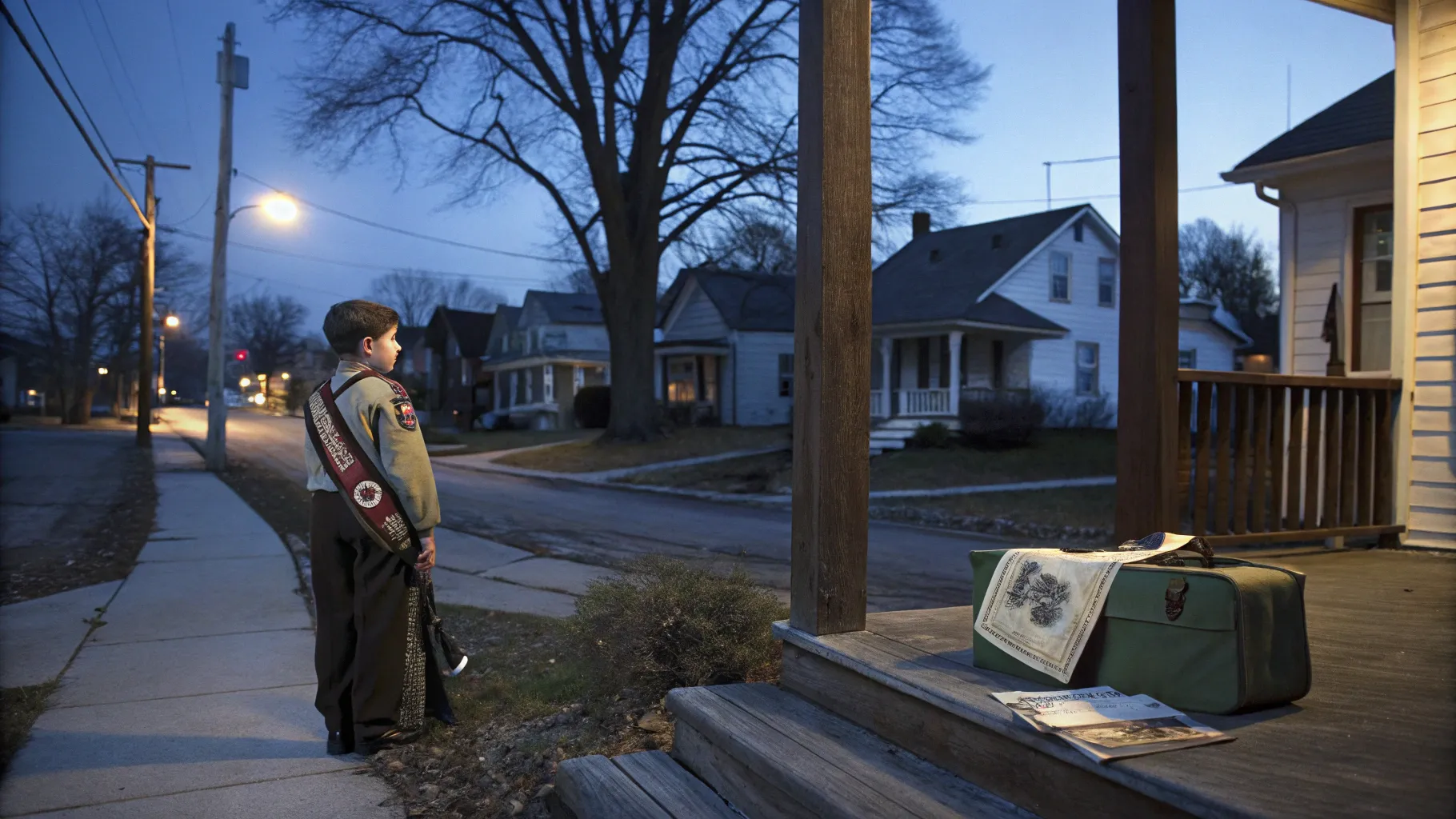
Small towns promise safety: paper routes, Boy Scout uniforms, school bands and predictable routines. Sometimes that safety is an illusion. The story of John Joubert exposes how a seemingly ordinary life can hide a relentless predator, and how a single act of vigilance stopped him before he could strike again. This is an examination of his life, his crimes, and the investigative work that finally brought him to justice.
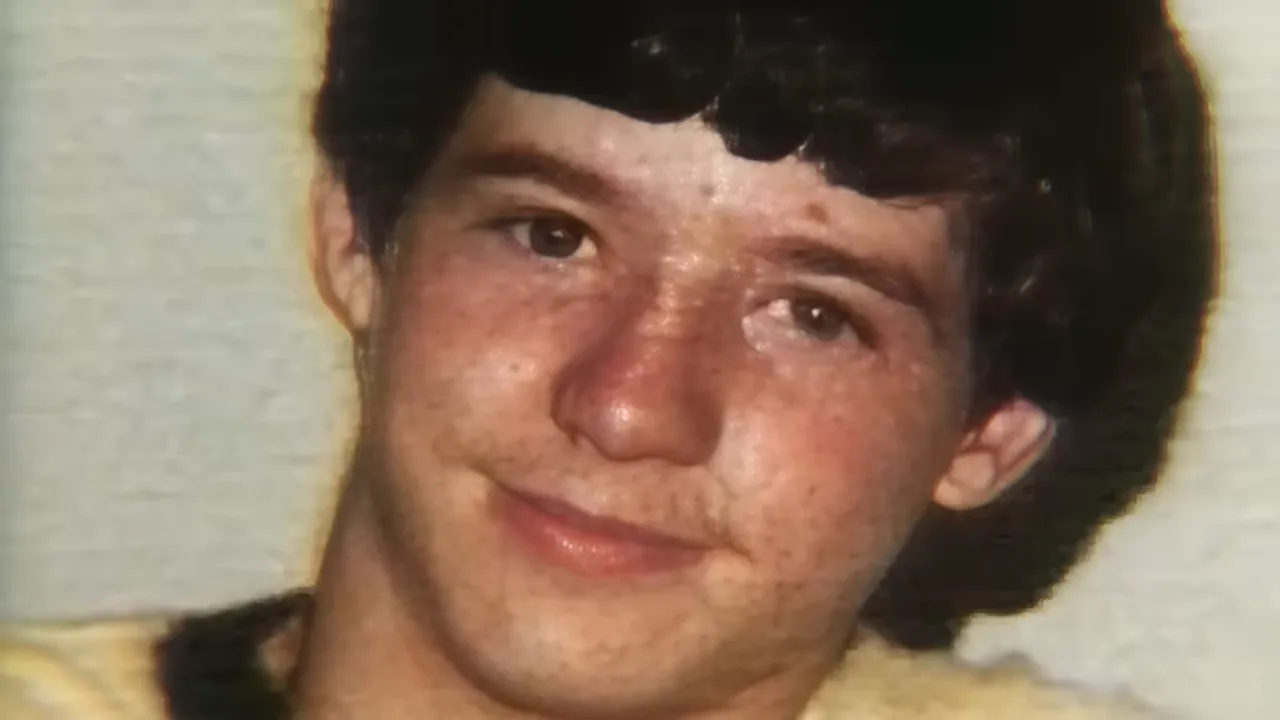
Table of Contents
- Early life: a quiet boy with violent fantasies
- First attacks in Maine: experimentation and escalation
- College, the Air Force, and a first murder
- Bellevue, Nebraska: a predator finds new hunting grounds
- Another child killed and the profile takes shape
- The break in the case: a preschool teacher and a license plate
- Forensics, confessions and linking crimes across states
- Sentence, prison life and the portrait of an unrepentant killer
- Psychology and motive: what drove Joubert?
- Investigative lessons: what worked and what did not
- Forensic specifics that mattered
- The communities left behind
- Prevention and community responsibility
- Final reflections
- Frequently asked questions
Early life: a quiet boy with violent fantasies
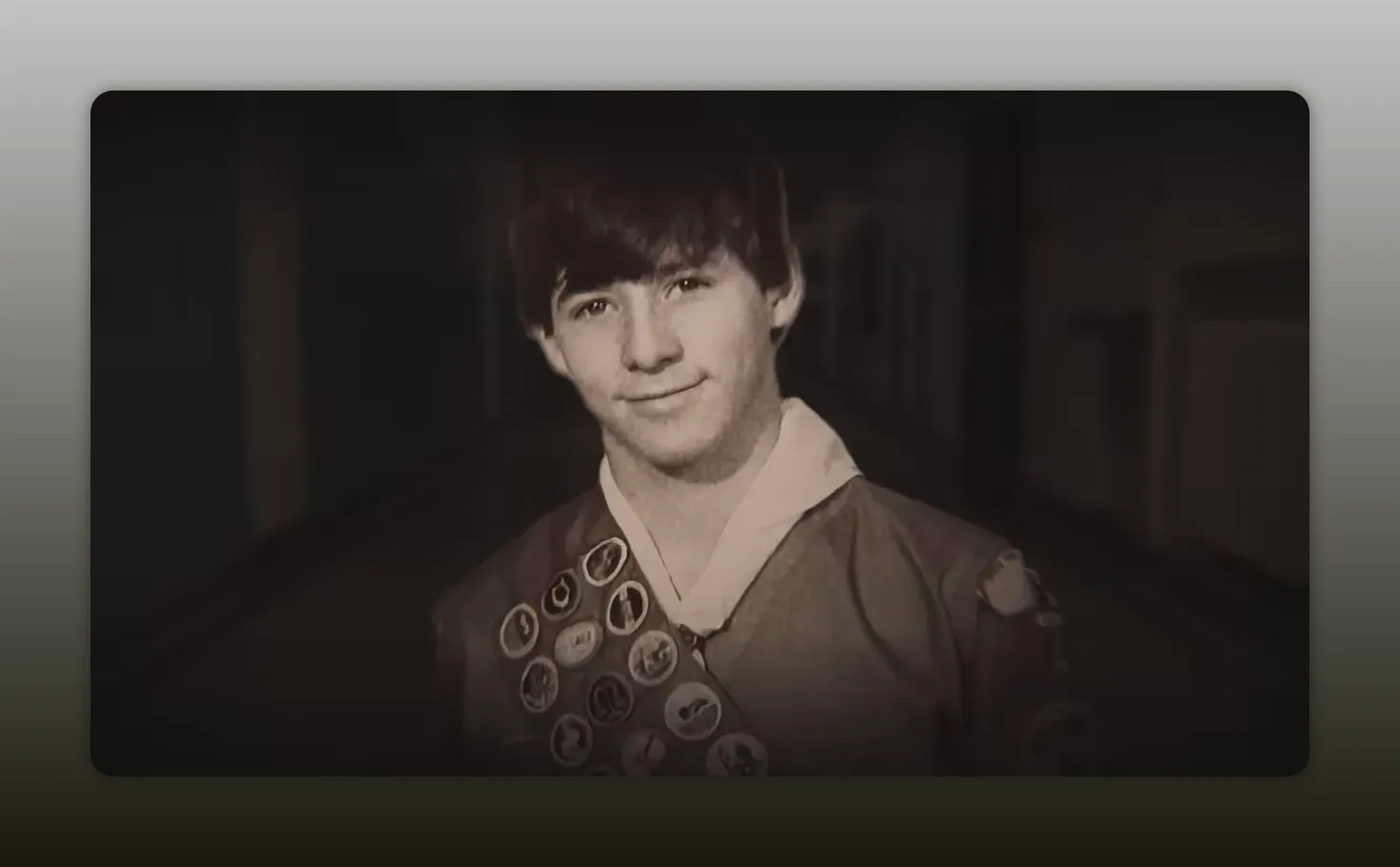
John Joseph Joubert IV was born in Lawrence, Massachusetts, in 1963. On paper he was unremarkable: Catholic upbringing, parochial school, Boy Scouts and a paper route. He played clarinet in the marching band, did well in honors classes and delivered papers for years. Those outward markers of normalcy helped him blend in. What they did not reveal, however, was a mind that had already turned inward toward violent fantasies.
By four years old Joubert had witnessed his father choke his mother until she lost consciousness. That incident, which resurfaced in later therapy sessions, left a psychological scar. Custody battles, a tense household, and a mother described by acquaintances as controlling contributed to an environment that isolated him further. Bullying at school compounded the isolation: other boys turned his name into a joke and shoved him in hallways. He never fought back. Teachers later remembered a small, withdrawn boy who absorbed abuse rather than resisting it.
Isolation and humiliation can fester. With few social outlets, Joubert’s fantasies moved from chaotic imaginations to controlled scenarios. By age 11 or 12 he pictured tying, gagging and watching people struggle. Those scenarios were not merely violent daydreams; Joubert later admitted that the thrill came from control, from watching fear and pleading—the moment someone realized they could not escape. That distinction between violence for violence’s sake and violence as a method of control is crucial to understanding his later crimes.
First attacks in Maine: experimentation and escalation
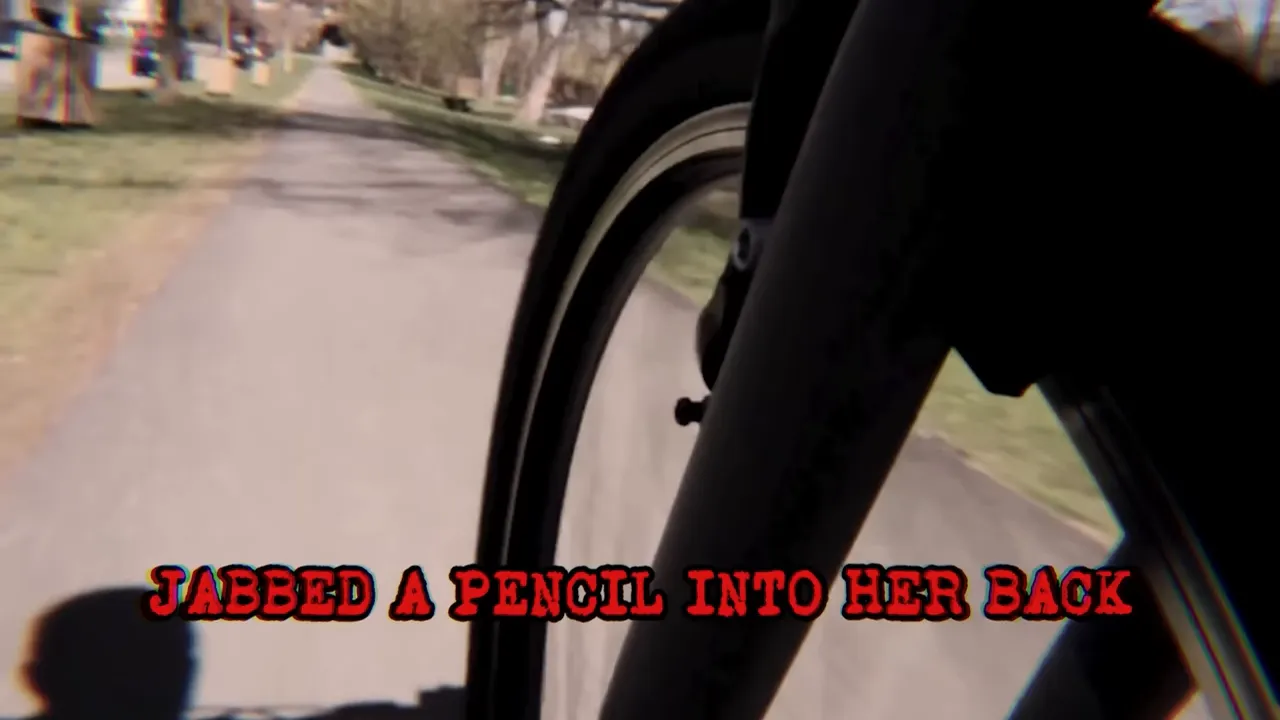
Even as he maintained a façade of normal teenage life—scouting, model airplanes, school music—Joubert began experimenting with violence. The first documented incident that left a mark on the community happened in December 1979. A six-year-old girl, Sarah Canty, was playing outside when a teenager on a green 10-speed bicycle rode by and jabbed a pencil into her back. The blow was small and inexplicable, but the sound of her cries produced a powerful response in the attacker: a thrill.
That initial thrill proved infectious. Within weeks, attacks escalated. In January 1980 Vicki Goff, a university student, was stabbed from behind while walking to class. The assailant grabbed her, placed a hand over her mouth and drove a knife into her side. She survived, but the terror she endured caused her to leave Portland altogether after only months of recovery.

In March 1980 Nine-year-old Michael Witham was called over by a teenager who asked routine questions. The moment Michael looked away the teen slashed his throat with an X-Acto knife. Michael survived, requiring 12 stitches, but the pattern was visible: opportunistic attacks targeting children in neighborhoods where they felt comfortable walking and playing.
Authorities at the time treated each attack as an isolated incident. That is understandable in the fog of early investigations: victims differed in age, time of day and location. Yet the similarities were there—methodical approaches, quick strikes, and a tendency to target children or young people in moments of routine. For the community, the result was a sudden spike in fear. Parents forbade neighborhoods' children from walking alone and community notices urged vigilance. For the attacker, though, the sudden attention likely increased the thrill. Some attackers withdraw when the heat ramps up; Joubert did not. He moved on, and eventually left Maine.
College, the Air Force, and a first murder
Joubert briefly attended Norwich University in Vermont to study engineering. College, which offered freedom for the first time, did not anchor him. Alcohol and marijuana replaced classes, and he dropped out after earning only ten credits. With limited direction, he enlisted in the Air Force in 1982 and trained as a radar technician. The military gave him structure and a way to move geographically—a factor that would later complicate investigations.
During the summer of 1982, back in Portland, an 11-year-old boy named Ricky Stetson disappeared during an evening jog. The next morning his body was found below Turkey’s Bridge. Ricky had been strangled, stabbed and partially undressed. There were human bite marks on his leg. Authorities initially arrested another man, but the match on dental impressions failed, and the case stalled. What investigators did not know was that the perpetrator had already left Maine for the Air Force and a new posting.
Bellevue, Nebraska: a predator finds new hunting grounds
By the end of 1982 Joubert was stationed at Offutt Air Force Base in Bellevue, Nebraska, a quiet suburb just south of Omaha. His posting moved him closer to new potential victims while placing distance between him and the unsolved crimes back in Maine. FBI profiler Robert Ressler later suggested that moving into the military might have been an attempt to create distance between himself and earlier assaults.
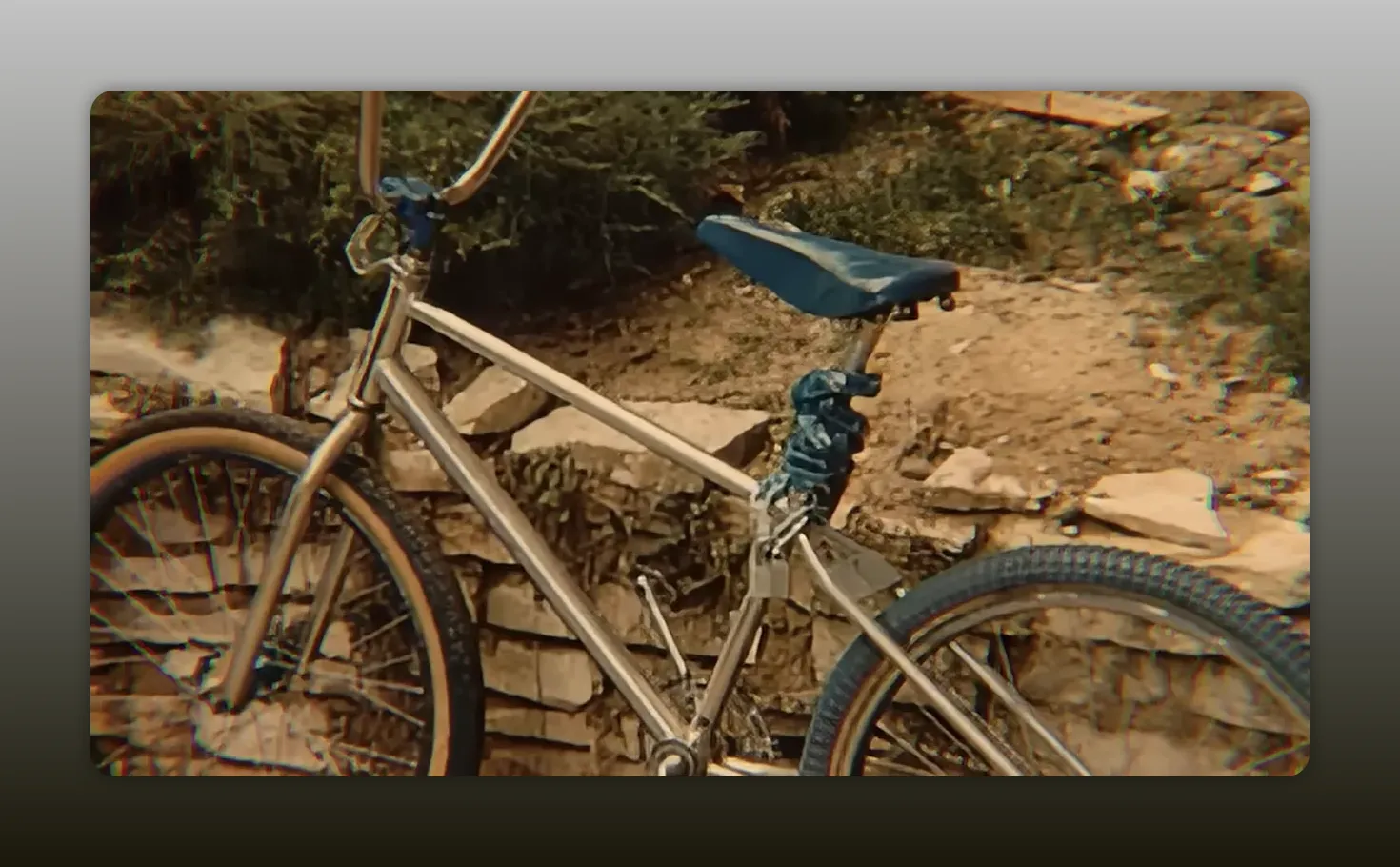
On September 18, 1983, 13-year-old Danny Eberle was making his usual paper route. His father later drove the route when complaints began coming in: a bike was found propped against a fence, the papers were still stacked in the basket, and Danny was missing. Three days later searchers located his body in a field about four miles from where his bike was left. Danny had been bound with a particular type of rope, surgical tape covered his mouth, and he suffered nine stab wounds—some shallow and deliberate rather than lethal in themselves. There were also human bite marks.
The medical examiner concluded Danny was conscious for three or four agonizing minutes. Later Joubert would describe how Danny’s gag had slipped and the boy asked if he was going to die. Joubert said he told him yes. Danny begged for his life, offered promises and pleaded to be taken to a hospital. Joubert later insisted he briefly considered it, then decided Danny would identify him, and continued stabbing until the boy died.
Another child killed and the profile takes shape
On December 2, 1983, 12-year-old Christopher Walden walked three miles toward his school and disappeared. Witnesses later reported seeing a white man in a tan car that morning. Two days after he vanished, hunters found Christopher’s body five miles from his home. His throat was cut so deeply he was nearly decapitated. He had been stabbed seven times and stripped. In this case his hands and feet were not bound, suggesting Christopher resisted immediately and was killed quickly. Again, bite marks and partially shallow wounds indicated the killer sought to inflict pain, humiliation and control rather than simply finish the act quickly.

With multiple victims now appearing in the same region, federal involvement became inevitable. The details—binding methods, surgical tape, bite marks and the ritualized pattern of removing clothing—suggested a serial offender. FBI profiler Robert Ressler created a behavioral profile that was uncannily accurate: the offender was likely a young, white male, single, intelligent yet socially isolated, possibly conflicted about his sexuality, and someone who lived or worked near Bellevue. Ressler warned the killer would probably strike again.
The break in the case: a preschool teacher and a license plate
Everything changed because of a simple act. On January 11, 1984, a preschool teacher in Bellevue noticed a man sitting in a car near the school, watching. Something about him felt wrong. She wrote down his license plate number. The man saw her and, according to reports, jumped out, shoved her and threatened to kill her. She escaped and called police.

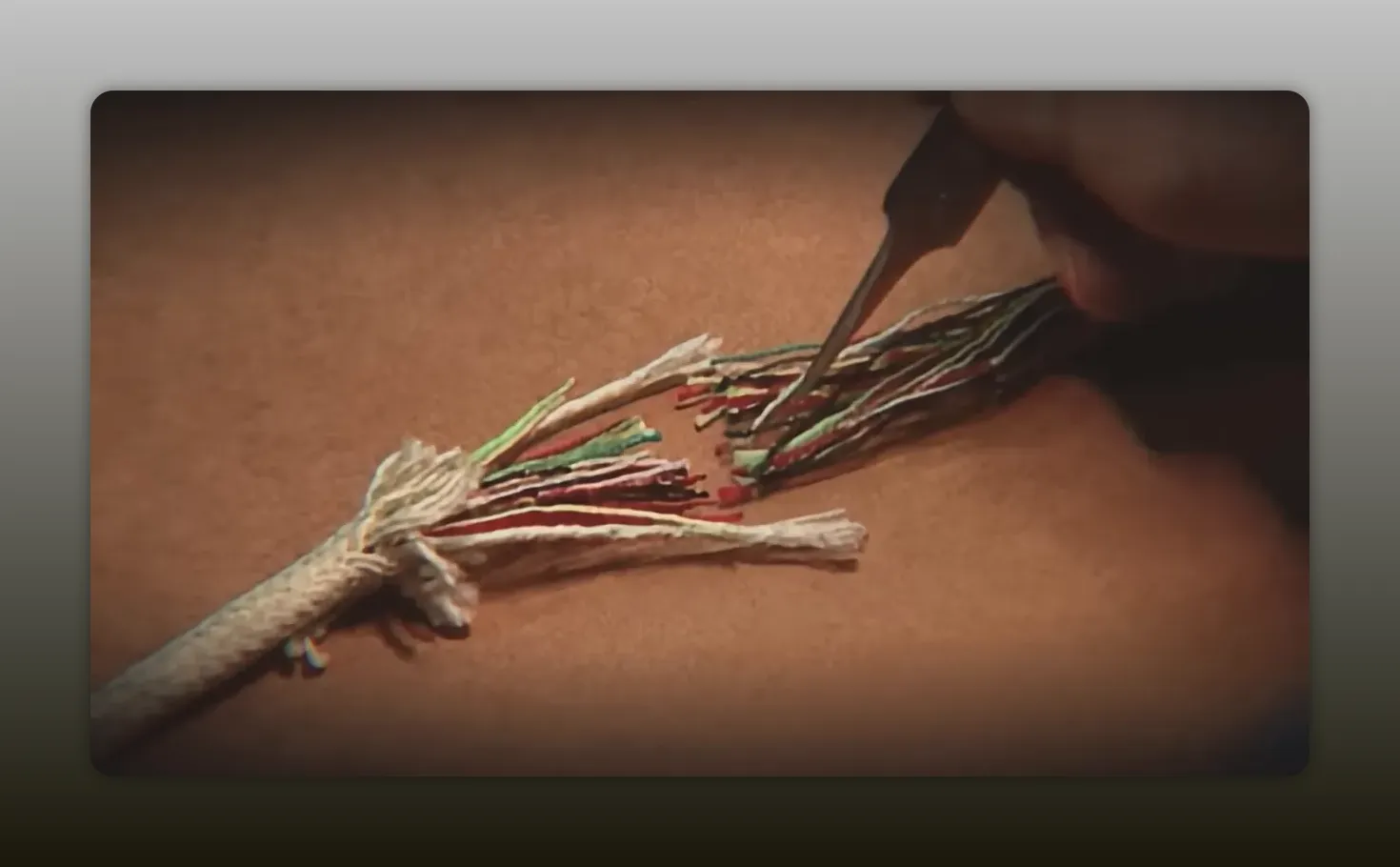
Officers traced the plate. The car was a rental signed out to a 20-year-old Air Force radar technician named John Joubert. A search of his room on base and his vehicle turned up crucial evidence: a length of rope that matched the unusual rope used to bind Danny Eberle. That rope was manufactured in South Korea and issued to the U.S. military, not something the average civilian would possess. It was a narrow forensic thread that connected him to the crime scene.
Investigators also found a hunting knife and other circumstantial items. Joubert remained startlingly calm in custody. He confessed to both Nebraska murders without hesitation and told interrogators he would kill again if released. When asked if he was glad to be caught, he reportedly said he was. His confession and the rope evidence bridged local homicides to previous unsolved attacks.
Forensics, confessions and linking crimes across states
Once in custody, authorities compared Joubert’s biological samples and dental impressions to the earlier unsolved cases in Maine. The bite marks on Ricky Stetson’s leg matched Joubert’s dental impressions, and hair sample comparisons bolstered the connection. Investigators reexamined earlier assaults in Portland and found common elements that linked them to Joubert: the pencil stabbing, the attempted knife attack on the university student, and the slashing of a child’s throat during an otherwise casual conversation.
By January 1986 Joubert was indicted for Ricky Stetson’s murder and connected to a string of assaults in Portland. In Nebraska he was charged with two counts of first degree murder, initially pleading not guilty before changing the plea to guilty. Psychiatrists evaluated him during legal proceedings and diagnosed obsessive-compulsive disorder, sadistic tendencies and schizoid personality disorder. Still, experts agreed he was sane at the time of the killings and fully aware of his actions.
Sentence, prison life and the portrait of an unrepentant killer
A three-judge panel sentenced Joubert to death for the Nebraska murders. In Maine, where the death penalty does not exist, he received life in prison for Ricky Stetson’s murder. He spent more than a decade on death row at the Nebraska State Penitentiary, where he read widely—Freud, Hemingway—worked out and taught himself to draw. His drawings, however, were not innocuous. Journalists later obtained images that displayed a grotesque fixation on violent scenes involving young boys. Criminal profilers who viewed them concluded Joubert’s fantasies had not softened in prison; if anything, they had sharpened.

Before his execution Joubert claimed to have achieved some understanding of his childhood trauma and said that discovery would prevent future violence. The confession came late and failed to convince most. On July 17, 1996, John Joubert was executed by the state of Nebraska. He was 33 years old. In interviews he had stated plainly what motivated him: not the act of killing itself but the control, the gaze of a child when they understood escape was impossible. That look, he said, was the high he chased.
"It was the power and control, the look in a child's eyes when they realized they weren't going to get away. That's what he lived for."
Psychology and motive: what drove Joubert?
Understanding a killer like Joubert means separating motive from method. Motive explains why someone may be drawn to violence; method describes how they acted. For Joubert, the motive was not sexual gratification in a straightforward sense, nor was it purely rage. Instead, it was a compulsive need for dominance and submission: to draw fear from another person and experience the validation of control.
Psychiatric evaluations labeled him with sadistic tendencies and schizoid traits. Sadism captures the pleasure derived from causing suffering, and in Joubert’s case it was more the emotional and psychological pain that mattered. Schizoid traits reflect a detachment from social relationships and affect; that detachment can make it easier for someone to objectify victims. These clinical labels, however, are descriptive rather than explanatory. They help professionals categorize behavior but do not fully explain why a person with certain traits decides to cross the threshold into murder.
Early trauma likely mattered. Witnessing parental violence and growing up in a household where his mother exercised strict control could have shaped Joubert’s relationship to power and vulnerability. Bullying at school and a lifelong pattern of social isolation provided fertile ground for fantasies that became increasingly elaborate and ritualized.
Investigative lessons: what worked and what did not
This case offers multiple lessons for law enforcement, communities and families.
- Behavioral profiling can be accurate and actionable. Robert Ressler’s profile predicted many aspects of the offender before a suspect was identified: age, race, social isolation, and the likelihood of reoffending.
- Forensic details matter. The unusual Korean-manufactured rope was a narrow but decisive lead. Small supply chain details or niche equipment can link an offender to a scene when other evidence is limited.
- Cross-jurisdictional communication is essential. Early attacks in Maine were not immediately connected to Nebraska crimes. Once the federal team assembled and compared bite marks and dental impressions, connections emerged. Systems that encourage rapid information sharing reduce time between offenses and arrest.
- Citizen vigilance can break a case. The preschool teacher’s decision to note a license plate and report suspicious behavior was the turning point that led to Joubert’s arrest. That kind of observation often matters more than high-tech tools.
- Suspect mobility complicates investigations. Joubert’s military service enabled him to move across state lines, obscuring patterns. Military postings, temporary housing and travel for work can spread crimes across jurisdictions and delay pattern recognition.
Forensic specifics that mattered
Several forensic elements were decisive in linking Joubert to multiple crimes:
- Bite mark analysis. While bite mark evidence has become controversial, in this case dental impressions matched bite marks found on a victim, providing strong corroborative evidence alongside confession and circumstantial evidence.
- Rope origin. The rope used to bind a victim was manufactured abroad for military use. That narrow distribution network made possession of that rope unusual among civilians and connected the suspect to the base supply chain.
- Behavioral signatures. The removal of clothing, use of surgical tape, and the combination of shallow and deep stab wounds were a stylistic pattern—what investigators call a signature—rather than a purely practical method of murder. Signatures offer insight into an offender’s psychological needs and help link crimes across time and space.
The communities left behind
Crimes like these leave long shadows. In Portland and Bellevue, ordinary places became sites of trauma that reshaped how parents supervised children and how neighborhoods watched out for each other. Victims who survived carried permanent scars; families of those killed carried a particularly heavy burden. Communities changed routines and increased vigilance, but those changes also reminded residents that safety is never guaranteed.
For investigators, the case was a study in persistence. Years of stalled inquiries in Maine gained momentum after the Nebraska arrest, revealing a broader pattern of predatory behavior spanning states. For the families involved, the case reinforced the complexity of justice: arrests and convictions provide closure for some, but they cannot erase loss.

Prevention and community responsibility
Preventing similar crimes requires a multi-layered approach.
- Teach children situational awareness without instilling fear. Children should be taught safe routines, to travel in groups when possible, and to find trusted adults when something feels wrong.
- Encourage community reporting of suspicious behavior. The preschool teacher’s key action was simple: record a plate number and report. Communities should empower citizens to take that sort of step without fear of overreacting.
- Improve interagency data sharing. When investigative units share forensics and behavioral data across state lines, patterns emerge faster. Databases and collaborative task forces matter.
- Support mental health and early intervention. Addressing childhood trauma, bullying and social isolation through school and community programs reduces the risk that such factors will calcify into violent fantasies and behaviors.
Final reflections
Understanding Joubert’s crimes does not normalize them. Instead, analysis gives clarity to an otherwise confounding mixture of normal life and monstrous acts. Joubert is an example of how ritualized control, reinforced by early trauma and social isolation, can produce a serial offender who targets the most vulnerable. It also shows how small, persistent acts by ordinary people—taking down a license plate, insisting that a teacher report an unsettling visitor—can be the difference between ongoing violence and an end to a predator’s spree.
For communities, the lesson is sobering and simple: paying attention matters. For investigators, it is a reminder that behavior patterns, forensic detail and human intuition must work together to solve the most difficult cases. And for everyone, the story is a cautionary tale about the thin line between normalcy and darkness, and how vigilance, care and communication form the best defenses against those who would exploit our routines.
Frequently asked questions
Who was John Joubert and why is he called the Boy Scout killer
John Joubert was a serial killer who committed multiple murders and attempted assaults, primarily against children, in Maine and Nebraska during the late 1970s and early 1980s. He participated in Scouts and other community activities as a youth, which is why press and investigators sometimes used the nickname Boy Scout killer.
How was Joubert caught
A preschool teacher observed suspicious behavior and recorded a license plate number. The plate led investigators to a rental car linked to Joubert, an Air Force radar technician. A search uncovered military-issue rope matching bindings on a victim and other forensic evidence. Dental impressions and hair analysis later linked him to crimes in Maine.
What evidence linked him to crimes in two states
Investigators used several elements: forensic comparisons of bite marks to dental impressions, hair samples, the distinctive rope used to bind a victim (manufactured for military use), a confession, and behavioral signatures such as removal of clothing and the use of surgical tape.
What motivated Joubert to commit these crimes
Joubert reported that the motivating factor was not simply killing but experiencing control over frightened victims. He described excitement at the fear and pleading of his victims. Psychiatric evaluations identified obsessive-compulsive and sadistic tendencies and schizoid personality traits, pointing toward a compulsion for domination and emotional detachment.
Was Joubert found legally sane
Yes. Psychiatric panels diagnosed various disorders but concluded he was aware of his actions at the time of the crimes, and he was held criminally responsible. He pleaded guilty in Nebraska and was sentenced to death there; in Maine he received life imprisonment for one of the murders.
Could these crimes have been prevented earlier
Potentially, but it is difficult to say definitively. Early attacks were treated as discrete incidents rather than a developing pattern. Faster cross-jurisdictional communication, broader recognition of similar modalities and earlier forensic comparisons might have accelerated identification. The decisive moment in this case was the community member who reported suspicious behavior.
What happened to Joubert
John Joubert was convicted of multiple murders and spent years on death row in Nebraska. He was executed by the state on July 17, 1996, after continuing to assert later that he had gained insight into his early trauma.



 Posts
Posts


0 Comments